
Managing waste sustainably has become a global priority as environmental concerns continue to rise. Traditional disposal methods like landfilling and incineration contribute to pollution and resource depletion. In response, organics recycling has emerged as a practical and eco-friendly solution, helping transform biodegradable waste into valuable resources while reducing environmental impact.
What Is Organics Recycling?
Organic recycling refers to the process of collecting and processing biodegradable materials such as food scraps, yard waste, and paper products. These materials are then broken down through natural biological processes like composting or anaerobic digestion.
Through composting, microorganisms decompose organic matter into a stable, nutrient-rich product known as compost. This process requires oxygen, moisture, and proper temperature conditions to ensure efficient breakdown.

In anaerobic digestion, organic materials are processed without oxygen, producing biogas and nutrient-rich residues that can be reused in agriculture or energy production.
Types of Organic Waste Suitable for Recycling
A wide range of materials can be included in organics recycling programs:
Food Waste
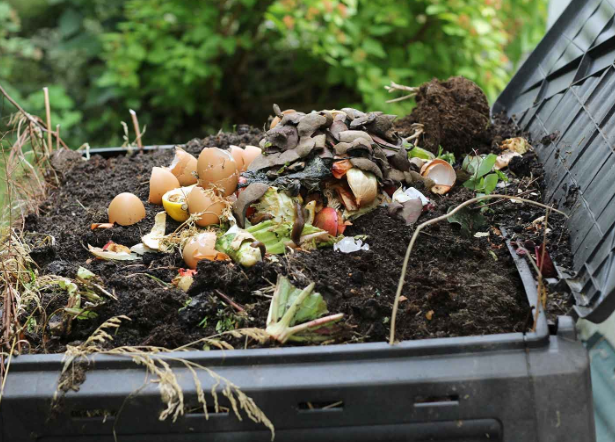
Leftover food, fruit and vegetable peels, coffee grounds, and eggshells are common examples. Food waste makes up a significant portion of global waste streams, making it a key target for recycling efforts.
Green Waste
Garden clippings, leaves, branches, and grass are easily compostable and contribute to high-quality compost production.
Paper and Cardboard
Soiled paper products, such as napkins and paper towels, can also be recycled organically if they are free from contaminants.
Agricultural and Industrial Organic Byproducts
These include manure, crop residues, and organic materials from manufacturing processes, all of which can be repurposed through recycling systems.
The Process of Organics Recycling
Collection and Separation
The process begins with separating organic waste from general waste. Proper segregation ensures that materials remain uncontaminated and suitable for recycling.
Processing and Decomposition
Once collected, the waste is transported to facilities where it undergoes controlled decomposition. Composting requires balancing carbon and nitrogen levels, maintaining moisture, and ensuring proper aeration.

Conversion into Useful Products
The end products of organics recycling include compost, mulch, and biogas. Compost is widely used in agriculture, landscaping, and gardening to improve soil health and fertility.
Environmental Benefits of Organics Recycling
Organics recycling offers several environmental advantages:
- Reduction in landfill waste: Organic materials can make up a large portion of municipal waste, and recycling them significantly reduces landfill volume.
- Lower greenhouse gas emissions: Diverting organic waste from landfills reduces methane emissions, a potent greenhouse gas.
- Improved soil health: Compost enriches soil with nutrients, enhances structure, and supports plant growth.
- Water conservation: Compost improves the soil’s ability to retain moisture, reducing the need for irrigation.
These benefits make organics recycling an essential component of sustainable waste management systems.
Economic and Social Impact
Beyond environmental advantages, organic recycling also contributes to economic growth and community well-being. It creates job opportunities in waste collection, processing, and product distribution.
Additionally, recycled organic materials support agriculture by providing cost-effective alternatives to chemical fertilisers. This not only reduces expenses for farmers but also promotes sustainable farming practices.
Challenges in Organics Recycling
Despite its benefits, organics recycling faces several challenges:
- Contamination: Mixing non-organic materials with organic waste can reduce efficiency and product quality
- Infrastructure limitations: Not all regions have access to advanced recycling facilities
- Public awareness: Lack of knowledge about proper waste segregation can hinder participation
Addressing these challenges requires education, improved infrastructure, and supportive policies.
Future of Sustainable Waste Management
As sustainability becomes a global focus, organics recycling is expected to play a larger role in waste management strategies. Innovations in recycling technologies and improved collection systems are making the process more efficient and accessible.
Integrating organics recycling with other waste management solutions can create a circular economy where resources are continuously reused rather than discarded.
Conclusion
Organics recycling is a vital solution for reducing waste, conserving resources, and protecting the environment. Emerging technologies, such as textile waste recycling machines, are further expanding the scope of recycling, enabling more efficient processing of diverse waste streams and contributing to a more sustainable future. By converting biodegradable materials into valuable products, it supports sustainable practices across industries and communities.