
Rishikesh: Where the River Runs Wild and Love Runs Deep
There are cities that offer one extraordinary experience. Then there is Rishikesh — a city that somehow manages to be the best place in India for white-water adventure and the most spiritually romantic wedding destination in the entire country, all at the same time.
The Ganges does not merely pass through Rishikesh. It defines it. The river is the reason adrenaline seekers come here clutching paddles, and the reason couples come here holding hands. It is the same water, the same mountains, the same sacred sky — but experienced in two completely different ways depending on what you are here for.
This guide covers both. Whether you are planning a river rafting trip that will be the highlight of your travel year, or a destination wedding that your guests will talk about for the rest of their lives, here is everything you need to know.

River Rafting in Rishikesh: Everything You Need to Know
Why Rishikesh is Asia’s Top Rafting Destination
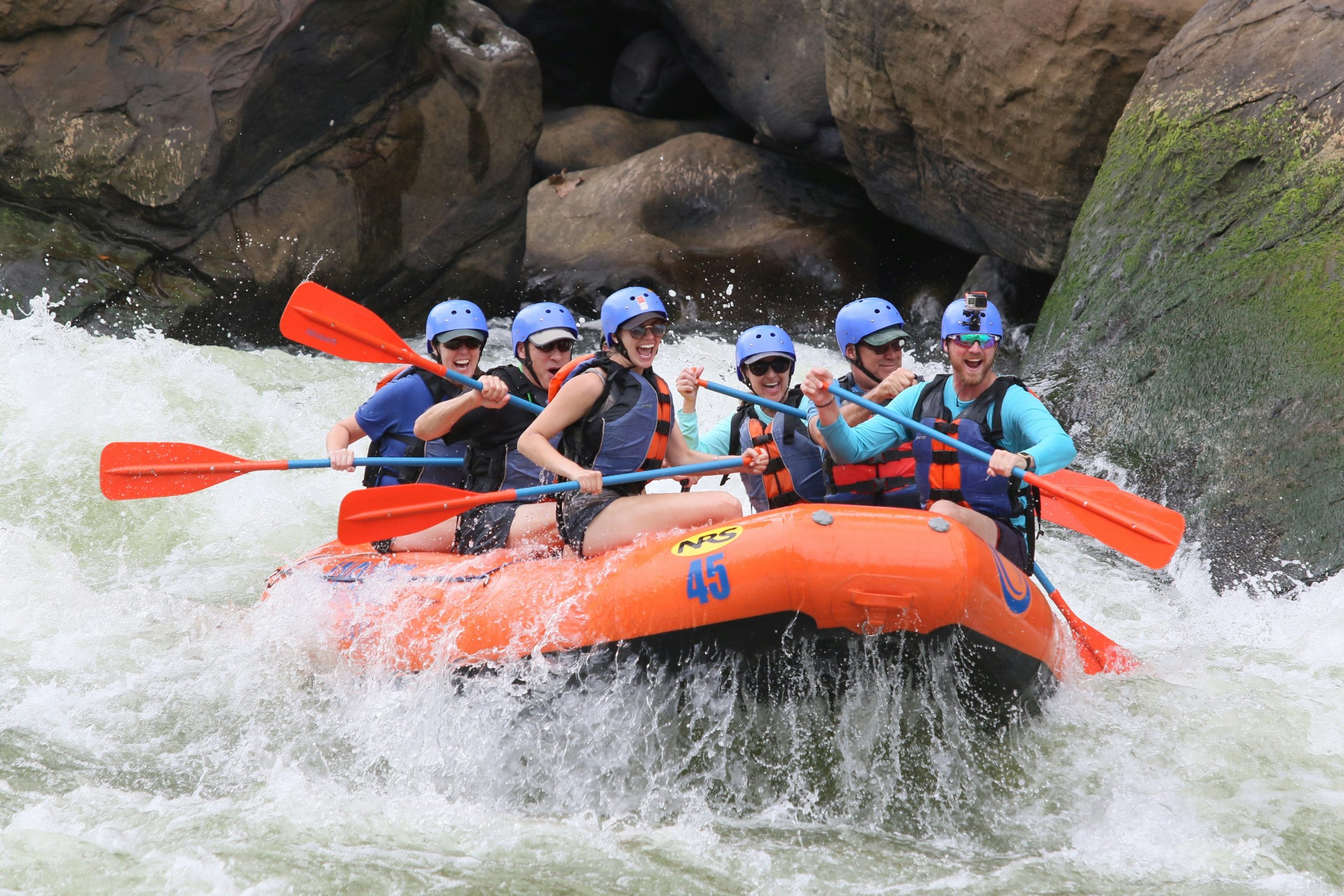
River rafting in Rishikesh is not a manufactured tourist activity. The Ganges here is genuinely wild — fed by Himalayan snowmelt, running cold, fast, and powerful through a valley carved over millions of years. The rapids are real. The current is strong. And the experience of navigating them is one of the most viscerally alive things you can do with a day.
Rishikesh sits at the point where the Ganges transitions from mountain river to plains river — which means you get the full force of the mountain stretch before the river widens and slows. This is what creates the world-class rapids that have made river rafting in Rishikesh famous among adventure travelers from over 50 countries.
The Rapids: What You Are Actually Getting Into
The rapids on the Rishikesh stretch of the Ganges are graded from Class II to Class IV, giving options for every experience level. Here are the ones that matter:
Roller Coaster — The most famous rapid on the stretch. A long, powerful Class IV wave train that hits you in succession with no time to recover between waves. If you are on a 16 km or longer route, this is the one everyone talks about afterward.
Golf Course — A technical Class III rapid that requires good paddle coordination from the entire team. The name is deceptively gentle. The rapid is not.
Club House — A Class III rapid with a strong hydraulic that catches first-timers off guard. Experienced guides know exactly how to read and navigate it.
Three Blind Mice — Three consecutive Class III rapids that come at you in quick succession. By the third one, even experienced rafters are laughing with the kind of relief that only pure adrenaline produces.
Body Surfing Point — Not a rapid but an experience. A natural pool where the current is strong enough to hold you afloat on your back, arms out, moving through the water with no boat and no paddle. Extraordinary.
Choose Your Route
9 km Route (Brahmpuri to Rishikesh) — Best for beginners, families, and those who want a taste of rafting without the full commitment. Covers gentler Class II and III rapids. Takes approximately 1.5 to 2 hours on water.
16 km Route (Shivpuri to Rishikesh) — The most popular route. Hits the major rapids including Roller Coaster and Golf Course. Takes 3 to 4 hours. Suitable for anyone with average fitness and no heart conditions. This is the route most people remember for the rest of their lives.
26 km Route (Marine Drive to Rishikesh) — For those who want a full day on the water. Adds more varied terrain, longer calm stretches, and the full range of major rapids. Often combined with a riverside lunch stop.
36 km Route (Kaudiyala to Rishikesh) — The ultimate rafting experience in Rishikesh. Full day, all major rapids, serious Class IV water, and a sense of genuine expedition. Not for the faint-hearted. Frequently combined with overnight beach camping on Ganges sandbanks.
Beyond the Raft: Add-On Experiences
Cliff Jumping — Multiple points along the rafting routes have natural rock cliffs ranging from 15 to 25 feet above the water. Jumping is optional but almost everyone does it at least once.
Overnight Beach Camping — Several operators offer camping on the sandy banks of the Ganges between rafting days. Bonfire, sleeping under Himalayan stars, waking up to the sound of the river — it is as good as it sounds.
Kayaking — For those who want full individual control on the water, kayaking lessons and guided kayak tours are available alongside the rafting routes.

Best Time to Go
The rafting season in Rishikesh runs from September through June. The best months are October to November and February to May when the water levels are ideal — high enough for strong rapids, low enough for safe navigation. July and August are monsoon months when rafting is suspended due to dangerous water levels.
What to Carry
- Wear clothes you do not mind getting completely wet
- Secure footwear — sports sandals or old sneakers, never flip flops
- Sunscreen applied before you board — the Himalayan sun on water is intense
- Leave your phone in a waterproof bag or with the operator’s safe storage
- No alcohol before rafting — operators enforce this strictly and correctly
Destination Wedding in Rishikesh: Sacred, Stunning, and Completely Unforgettable
Why Couples Are Choosing Rishikesh Over Goa, Jaipur and Udaipur
The destination wedding market in India is competitive. Goa offers beaches. Jaipur offers palaces. Udaipur offers lakes. But a destination wedding in Rishikesh offers something none of them can — a setting where the natural world, the sacred world, and the romantic world all exist in the same frame at the same time.
The Ganges flowing beside your mandap. The Himalayas rising behind the ceremony. Priests chanting Sanskrit verses that have blessed unions for thousands of years. Your guests watching the sun set over sacred water while marigold petals float downstream. This is not a backdrop. It is an experience that becomes part of your marriage from the very first moment.
Venues That Make It Real
Rishikesh offers a surprising variety of wedding venues, each with its own character:
Riverside Luxury Resorts — Several five-star and boutique properties sit directly on the Ganges with dedicated event lawns, in-house catering, and full wedding coordination services. These work best for weddings of 50 to 300 guests who want comfort alongside the sacred setting.
Heritage Ashram Properties — For couples who want a more spiritually rooted ceremony, several ashrams in Rishikesh offer their grounds for weddings with full Vedic ritual support. These are ideal for intimate gatherings of 20 to 80 guests and create an atmosphere that is genuinely unlike any hotel venue.
Private Riverside Gardens — For those who want full customization, private garden venues along the Ganges can be booked and designed from scratch — floral installations, lighting, stage design, catering, and ritual — exactly as the couple envisions.
Mountain Forest Clearings — A newer trend for couples who want the Himalayan landscape as their primary setting. Outdoor woodland weddings with mountain views, natural light, and open-air ceremony spaces that feel like the world was arranged specifically for this moment.
The Ceremony: What a Vedic Wedding in Rishikesh Looks Like
A destination wedding in Rishikesh can be as traditional or as modern as you choose. Most couples opt for a blend:
The Vedic Fire Ceremony (Saptapadi) — The sacred fire, the seven vows, the exchange of garlands — performed by priests who carry this tradition with full sincerity, not as a performance but as a genuine blessing of the union.
Ganga Aarti Wedding Blessing — Some couples time their ceremony to conclude with a private Ganga Aarti — the floating of diyas on the river at dusk — as their first act as a married couple. It is one of the most quietly powerful wedding moments imaginable.
Fusion Elements — International couples frequently blend Vedic rituals with elements from their own traditions, creating ceremonies that honor both backgrounds. Rishikesh’s experienced wedding planners are well practiced at making these combinations work beautifully.
Practical Details
Guest Count — Rishikesh weddings work for groups from 20 to 500 depending on venue choice. Intimate weddings are where the city truly excels.
Best Season — October to March offers the best weather — cool, clear, and dry. Avoid July and August due to monsoon rains.
Getting There — The nearest airport is Jolly Grant Airport in Dehradun, 35 km from Rishikesh. Delhi is 250 km away by road or train to Haridwar followed by a short drive.
Budget Range — A destination wedding in Rishikesh is significantly more cost-effective than comparable weddings in Goa or Rajasthan, without any compromise on experience or quality. Packages begin at approximately INR 8 to 10 lakh for intimate ceremonies and scale based on guest count and venue.
Wedding Planners — Use a local Rishikesh-based planner who has established relationships with venues, priests, caterers, florists, and photographers in the region. They will save you money, prevent logistical problems, and know things about the city that no online research Why Farmhouse Biscuits Are Loved in Traditional Baking? will reveal.
Two Experiences. One Extraordinary City.
What makes Rishikesh genuinely rare is that it holds both of these experiences — the wildness of river rafting in Rishikesh and the sacred intimacy of a destination wedding in Rishikesh — without either one feeling out of place.