
Why Unexpected Combinations Make Streetwear Interesting
Streetwear becomes more expressive when familiar clothing pieces are combined in unexpected ways. Pairing a relaxed shirt with structured trousers, mixing sporty details with classic garments, or combining contrasting textures can create an outfit that feels distinctive without being complicated. Godspeed Clothing can fit into this creative approach by giving everyday wardrobe pieces room to work together in new combinations. Instead of following a fixed set of fashion rules, experiment with different relationships between garments and discover which combinations reflect your personal taste.
Combine Relaxed Pieces With Structured Clothing
One way to create an interesting outfit is to contrast loose clothing with more structured pieces. An oversized top can work well with trousers that have a cleaner shape, while a relaxed bottom can be balanced by a more defined shirt. The contrast gives each garment a clear role and prevents the outfit from feeling shapeless. You can also reverse the formula by pairing a fitted upper layer with wider trousers. Try several combinations with clothing you already own before deciding which proportions feel most comfortable and visually balanced.
Pair Graphic Shirts With Unexpected Basics
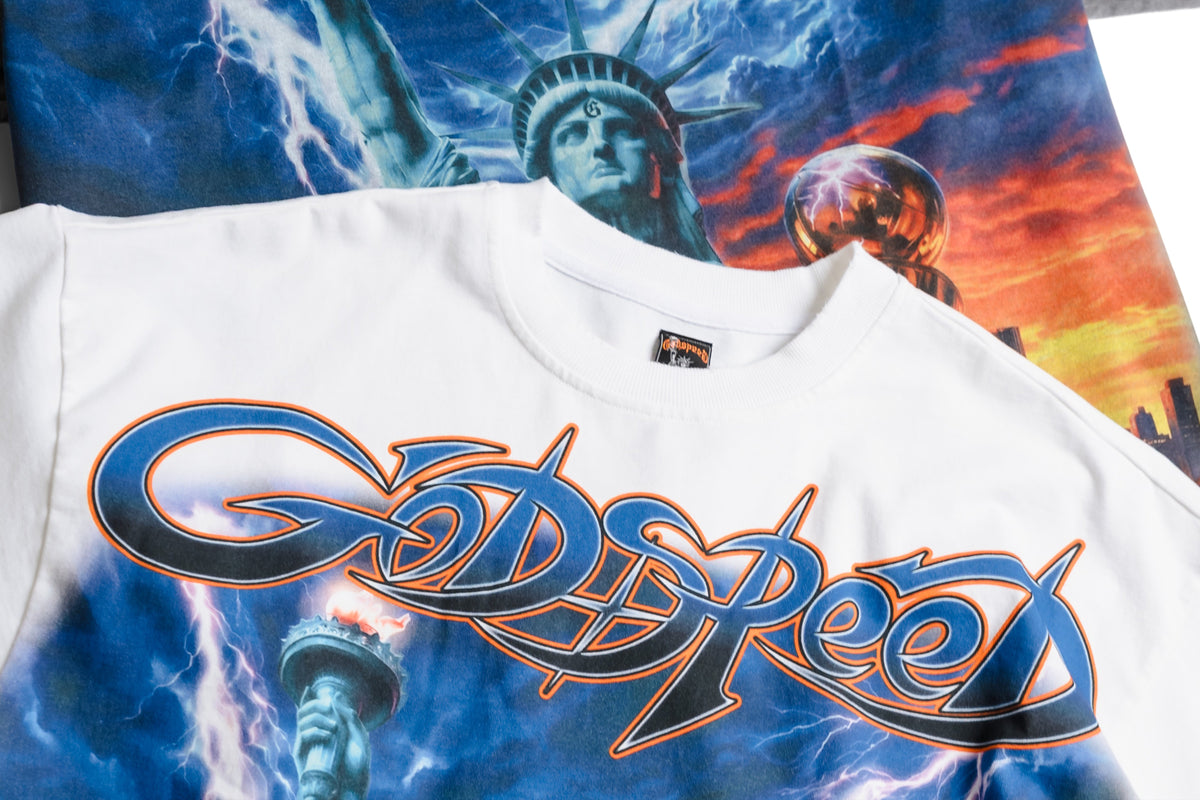
Graphic shirts often become the focal point of casual outfits, but they do not have to be paired with conventional denim every time. Try combining a Godspeed Shirt with tailored-looking trousers, simple cotton bottoms, or garments in a color drawn from the artwork. This approach creates a connection between casual graphics and less predictable clothing choices. If the shirt contains several colors or a large design, keep the other pieces relatively restrained. When the shirt is more understated, you have greater freedom to experiment with patterns, accessories, and contrasting shapes.

Give Shorts a Different Styling Direction
Shorts are commonly associated with simple warm-weather outfits, yet they can support a variety of styling approaches. Godspeed Shorts can be combined with a neat shirt for a contrast between relaxed and polished elements, or worn with a sweatshirt when the conditions are suitable. Try changing the footwear or adding a lightweight outer layer to shift the overall impression. Pay attention to the length and volume of the shorts so that the upper half of the outfit complements their shape. Small changes can make a familiar combination feel noticeably different.
Mix Accessories With Different Visual Personalities
Accessories do not always need to match one another exactly. A simple cap can work with a more distinctive bag, while understated clothing can accommodate an accessory with a stronger color or texture. A Godspeed Hat can provide a familiar element within an outfit that includes other unexpected pairings. The trick is to establish one or two connections, such as a shared color or a similar design mood, instead of coordinating every detail. This creates enough consistency to make the outfit feel intentional while allowing individual accessories to retain their own character.
Experiment With Contrasting Textures
Combining different textures adds interest even when the colors remain similar. Smooth cotton, rugged denim, canvas, knitwear, and brushed fabrics can each create a different visual effect. Pairing two contrasting surfaces can make an outfit feel more considered without adding extra patterns. For example, a smooth shirt can be worn with textured bottoms, or a structured outer layer can be placed over a softer top. Focus on how the materials look and feel together, and avoid combining too many competing textures if you want a more balanced result.
Bring Different Fashion Influences Together
Unexpected pairings can also draw from different fashion traditions. Sport-inspired clothing may work alongside classic casual pieces, while vintage-influenced garments can complement more contemporary silhouettes. The aim is not to combine every influence at once, but to select elements that create an interesting relationship. Godspeed styling can be approached with this same sense of experimentation: begin with one familiar piece, introduce something from a different style direction, and assess how the combination feels. A shared color palette or compatible proportions can help connect garments that initially seem unrelated.
Use Color to Connect Different Pieces
When garments come from different style categories, color can provide a visual link. A neutral base makes it easier to introduce a brighter piece without overwhelming the outfit. You might repeat one shade in a shirt graphic and an accessory, or combine different tones from the same color family. Another option is to use a single accent color against otherwise simple clothing. These connections help an unexpected combination look deliberate rather than random. You do not need exact color matching; related shades and subtle contrasts can be enough to create cohesion.
Try One Unexpected Element at a Time
If you are new to experimenting with outfit combinations, start with one unusual choice rather than changing everything at once. Pair a graphic shirt with a different style of trousers, introduce a contrasting accessory, or combine two textures you do not normally wear together. Once you understand how that element affects the outfit, you can decide whether to add another. This gradual approach makes experimentation easier because you can identify which choices work well and which feel uncomfortable. It also helps you develop confidence in your own styling decisions.

Consider the Setting Before Finalizing an Outfit
Creative combinations should still suit the environment in which you plan to wear them. A relaxed pairing may be ideal for informal plans but less appropriate for a setting that expects more structured clothing. Think about the weather, the amount of movement involved, and the level of formality required. You can preserve an experimental approach while adjusting the materials, coverage, and overall presentation. Practical choices ensure that your outfit remains comfortable and appropriate rather than becoming an exercise in appearance alone.
Learn From Combinations That Do Not Work
Not every unexpected pairing will produce the result you imagined, and that is part of developing a personal style. If an outfit feels unbalanced, identify the cause before abandoning the idea completely. The problem might be the length of one garment, competing patterns, a mismatch in fabric weight, or too many statement elements. Try changing just one component and reassess the combination. Keeping track of successful outfits can also help you understand your preferences and repeat useful ideas with different pieces in the future.
Make Your Wardrobe a Space for Creativity
Your wardrobe does not need to contain unusual clothing to support creative styling. Many distinctive combinations can be created by rethinking familiar garments and using them in ways you have not previously considered. Organize pieces by color, garment type, or styling potential so that you can easily notice new possibilities. Occasionally set aside time to try combinations without the pressure of choosing an outfit immediately. This simple habit encourages experimentation and helps you discover more value in the clothing you already own.
Frequently Asked Questions
What Are Unexpected Outfit Pairings?
They are combinations of clothing or accessories that bring together different shapes, textures, colors, or style influences in a deliberate way.
How Can I Experiment Without Making an Outfit Look Random?
Start with one contrasting element and create a connection through color, proportion, or texture. Keeping the rest of the outfit relatively simple can improve balance.
Can Graphic Shirts Work With More Structured Clothing?
Yes. A graphic shirt can create an interesting contrast with cleaner, more structured bottoms. Consider the shirt’s design and keep other details coordinated.
How Can Accessories Improve an Unusual Outfit Combination?
Accessories can introduce a complementary color, repeat an existing detail, or add texture. Choose a few purposeful pieces rather than matching everything exactly.
What Should I Do When an Outfit Combination Does Not Work?
Identify which element feels out of place, then adjust one item at a time. Small changes in proportion, color, or texture may help create a more cohesive result.