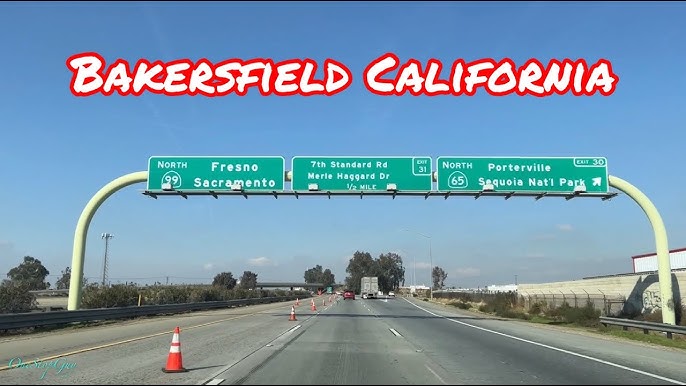
Highway 99 is a vital transportation artery in California, serving as one of the primary routes for moving goods through the Central Valley. Nowhere is its impact more pronounced than in Bakersfield, a city that sits at a strategic crossroads for commercial trucking and regional logistics. As freight travels between Northern and Southern California, Highway 99 functions as a central channel connecting farms, distribution centers, manufacturing facilities, and retail markets. This steady flow of goods makes the highway an essential component of both the local and statewide economy.
Bakersfield’s location along Highway 99 has positioned it as a key freight hub within Kern County and the broader Central Valley. Each day, a high volume of commercial trucks passes through the area, supporting industries such as agriculture, food processing, energy, and consumer goods distribution. At the same time, this concentration of freight traffic presents challenges, including congestion, infrastructure strain, and operational delays for carriers navigating the region. Examining how Highway 99 impacts freight movement through Bakersfield helps shed light on the logistical realities faced by trucking companies, drivers, and businesses that rely on efficient transportation networks to operate successfully.
Bakersfield’s Strategic Location Along Highway 99
Bakersfield sits at a key junction in California’s freight network. Positioned near the southern end of the Central Valley, the city connects Highway 99 with other major routes such as Interstate 5 and State Route 58. This makes Bakersfield a natural transition point for trucks moving goods between coastal ports, inland distribution centers, and agricultural regions.
Because of this location, Bakersfield sees a constant flow of commercial vehicles. Long-haul trucks pass through the city daily, while local and regional carriers handle deliveries tied to farming, food processing, oil production, and retail distribution. Highway 99 serves as the backbone supporting this movement.
Highway 99’s Role in Central Valley Freight Transportation
The Central Valley is one of the most productive agricultural regions in the country, and Highway 99 is the primary route used to transport crops, livestock products, and packaged food. From fresh produce to processed goods, freight moves north and south along this corridor year-round. Bakersfield’s location along Highway 99 makes it a key hub for both long-haul and regional distribution, connecting farms, processing facilities, warehouses, and retail centers efficiently.
In addition to agricultural shipments, Highway 99 supports industrial freight such as construction materials, energy-related equipment, and consumer goods. This mix of cargo contributes to a high volume of commercial traffic passing through Bakersfield each day, underscoring the highway’s importance in the Central Valley’s logistics network.
For trucking companies and businesses, Highway 99 offers predictable access to major interstates and local roads that lead to distribution centers and commercial hubs. Its role extends beyond simply moving freight; it directly influences supply chain planning, delivery schedules, and operational efficiency. As a result, Highway 99 not only facilitates the flow of goods but also plays a central role in supporting Bakersfield’s economic vitality and the broader Central Valley economy.
Traffic Volume and Congestion Challenges
Bakersfield experiences a high volume of commercial truck traffic due to its location along Highway 99 and its connection to major freight routes throughout the Central Valley. Long haul trucks moving between Northern and Southern California share the roadway with regional delivery vehicles and local commuter traffic. This combination creates consistent congestion, particularly during peak travel hours.
Traffic slowdowns are most noticeable near major interchanges, urban access points, and construction zones. As Bakersfield continues to grow, increased commuter traffic adds pressure to a corridor already heavily used by freight carriers. Seasonal agricultural activity can further intensify congestion, especially during harvest periods when truck volumes rise.
For freight operators, congestion along Highway 99 can lead to longer transit times and reduced schedule reliability. Delays increase fuel consumption, contribute to driver fatigue, and make it more challenging to meet delivery windows while staying compliant with hours of service regulations. Understanding these traffic patterns is essential for carriers planning routes through Bakersfield and managing the operational challenges associated with one of California’s busiest freight corridors.
Wear and Tear on Commercial Vehicles
Frequent stop-and-go traffic along Highway 99 places added strain on commercial trucks. Braking systems, engines, and transmissions experience increased wear, especially during hot Central Valley summers. Extended idling and slow traffic can also impact cooling systems and fuel efficiency.
Because of the steady flow of trucks through the area, access to dependable truck repair in Bakersfield becomes an important consideration for fleets operating along Highway 99, particularly when unexpected mechanical issues threaten delivery timelines.
Economic Impact on Bakersfield and Kern County
Freight movement along Highway 99 contributes significantly to Bakersfield’s local economy. The steady stream of trucks supports jobs across multiple sectors, including warehousing, logistics, fuel services, and transportation support businesses. Distribution centers and industrial facilities often choose Bakersfield precisely because of its proximity to this major highway.
As freight activity grows, so does the city’s role as a logistics hub. This economic activity benefits not only trucking companies but also local businesses that rely on efficient goods movement to operate successfully.
Safety and Regulatory Considerations
With high truck volumes comes an increased focus on safety. Highway 99 sees a mix of passenger vehicles and heavy commercial trucks, which can raise accident risks, particularly in congested areas. Drivers moving through Bakersfield must remain aware of speed regulations, lane restrictions, and inspection requirements.
For freight operators, safety compliance is closely tied to scheduling and route planning. Delays caused by traffic or inspections can affect delivery windows, making it important to account for Bakersfield’s unique conditions when planning Highway 99 routes.
Infrastructure Improvements and Future Outlook
Highway 99 has been the focus of ongoing infrastructure improvements aimed at supporting the growing volume of traffic moving through Bakersfield and the Central Valley. State and local transportation agencies have invested in lane expansions, interchange upgrades, and safety enhancements designed to improve traffic flow and reduce congestion. These projects are especially important in areas where Highway 99 intersects with major routes and urban roadways, as these locations often experience the heaviest freight and commuter traffic.
In addition to capacity improvements, modern infrastructure upgrades are increasingly focused on safety and efficiency. Improved signage, updated pavement, and redesigned on- and off-ramps help accommodate heavy commercial vehicles while reducing bottlenecks that can slow freight movement. For trucking operations, even small improvements in traffic flow can lead to more predictable travel times and better fuel efficiency when moving through Bakersfield.
Looking ahead, continued investment in Highway 99 will be critical as freight demand across California continues to rise. Population growth, e-commerce expansion, and sustained agricultural production are expected to increase truck traffic throughout the Central Valley. As Bakersfield’s role as a logistics and distribution hub expands, infrastructure planning will need to balance freight efficiency with local mobility and safety. Long-term improvements to Highway 99 will help ensure the corridor remains capable of supporting the economic activity that depends on reliable freight transportation through the region.
Conclusion
Highway 99 continues to play a defining role in freight movement through Bakersfield, shaping how goods move across the Central Valley and beyond. Its position as a major north–south corridor makes it indispensable for agricultural transport, regional distribution, and long-haul trucking operations. As commercial traffic flows through the city, the highway supports economic activity while also influencing daily transportation patterns and logistical planning.
At the same time, the demands placed on Highway 99 highlight the challenges that come with heavy freight volume, including congestion, vehicle wear, and safety considerations. Ongoing infrastructure improvements and strategic planning will be essential to maintaining efficiency as freight activity continues to grow. For carriers and businesses operating in California, understanding the role of Highway 99 in Bakersfield provides valuable insight into route planning, operational reliability, and the future of freight transportation in the Central Valley.
Explore even more content on Urban Valley, including guides, tips, and stories that can help you learn, stay updated, and get inspired.



Leave a Reply