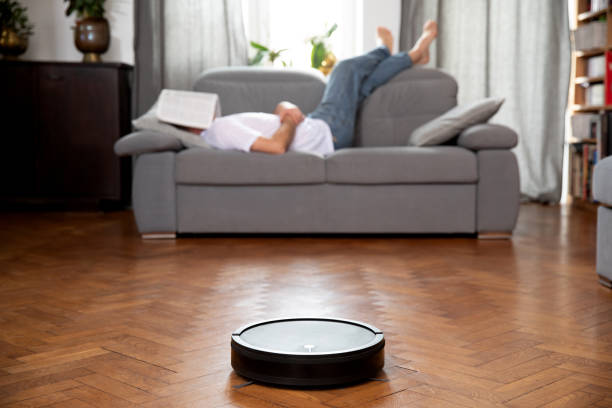
Self-cleaning smart homes are transforming the way we manage daily chores by integrating advanced technology with home automation systems. These homes reduce human effort significantly while maintaining cleanliness effortlessly.
Innovative cleaning solutions such as robotic vacuums, automated mopping systems, and air purification devices are central to modern self-cleaning homes. They are programmed to work on schedules or respond to real-time conditions.
AI-driven monitoring allows these homes to detect dirt, dust, and spills instantly. Sensors communicate with cleaning devices, ensuring targeted cleaning, energy efficiency, and a consistently hygienic living environment.
Homeowners now enjoy more free time and less stress, as routine cleaning becomes automated. This shift not only saves time but also enhances quality of life and overall home hygiene.
Smart Cleaning Appliances Revolutionizing Home Maintenance
Robotic vacuum cleaners equipped with mapping technology efficiently navigate rooms and clean surfaces systematically. They can detect obstacles, stairs, and furniture, ensuring thorough cleaning without human intervention.
Automated mopping robots use sensors to identify floor types and stubborn stains. They adjust cleaning intensity accordingly, leaving floors spotless while preserving delicate surfaces from damage.
Self-cleaning ovens, refrigerators, and dishwashers simplify kitchen maintenance. High-tech coatings, steam cleaning, and automated programs reduce manual scrubbing, keeping appliances hygienic and functional with minimal effort.
Integration with mobile apps allows homeowners to monitor and control cleaning devices remotely. Notifications for maintenance or filter changes ensure that devices operate at peak efficiency without constant supervision.
AI Integration for Predictive Cleaning and Maintenance
Artificial intelligence in self-cleaning smart homes predicts cleaning needs based on usage patterns. AI learns household habits, optimizing schedules for energy efficiency and maximum cleanliness.
Sensors detect air quality, humidity, and surface dirt, prompting automated cleaning before issues escalate. This proactive approach prevents buildup of dust, allergens, and bacteria.
Predictive maintenance reduces unexpected repair costs and extends the lifespan of home systems. Smart alerts notify homeowners when appliances need servicing, minimizing disruptions and avoiding major failures.
AI algorithms continuously improve over time, adapting to new household dynamics. This ensures that cleaning routines remain efficient and personalized to the unique needs of each home.
Eco-Friendly Solutions in Self-Cleaning Homes
Self-cleaning smart homes incorporate eco-friendly practices to reduce water and energy consumption. Robotic cleaners use minimal water and non-toxic detergents to maintain sustainable hygiene.
Solar-powered devices and energy-efficient appliances further reduce carbon footprints. Smart energy management ensures cleaning operations occur during off-peak hours to conserve electricity.
Recycling systems integrated into smart homes manage waste effectively. Automated sorting and composting units support environmental sustainability while reducing household clutter.
These eco-conscious solutions not only maintain cleanliness but also align with modern sustainability goals, making self-cleaning smart homes both convenient and responsible for the environment.
Enhancing Convenience and Lifestyle Through Automation
Automated systems allow homeowners to control cleaning schedules, lighting, and climate remotely. Voice commands and smartphone apps make managing daily chores seamless and intuitive.
The combination of robotic devices and AI-driven insights ensures that cleaning routines require minimal human oversight. Homeowners can focus on work, leisure, or family activities.
Smart furniture and surfaces with self-cleaning coatings resist dirt, stains, and bacterial growth. These innovations reduce the need for chemical cleaning products and labor-intensive scrubbing.
By integrating smart home technology, modern residences achieve a balance between convenience, cleanliness, and energy efficiency. Low-maintenance living becomes a reality, improving overall lifestyle satisfaction.
The Future Outlook of Self-Cleaning Homes
Future self-cleaning homes will feature fully integrated systems that communicate across devices for synchronized cleaning, maintenance, and environmental control. Homes will anticipate cleaning needs before visible dirt appears.
Advanced AI will predict and manage household demands, adapting to new furniture layouts, pet activity, and family routines. Continuous learning will make these systems smarter and more efficient over time.
Nanotechnology and antimicrobial surfaces may further reduce the need for routine cleaning. Innovations will make homes resilient to germs, spills, and wear, ensuring lasting hygiene with minimal effort.
As self-cleaning homes become mainstream, they will redefine property value and living standards. Convenience, sustainability, and automation will be key selling points for futuristic low-maintenance residences.


Leave a Reply