The rapid rise of artificial intelligence (AI) has fundamentally changed how we live, work, and interact with the world around us. In just a few short years, what once felt like a cornerstone of science fiction has become an indispensable utility. Every single industry now feels the massive impact of this digital shift, moving from simple automation to complex, autonomous decision-making. We see machine intelligence streamlining intricate tasks in almost every professional sector, from the local law firm to global logistics hubs. Understanding these changes is no longer just for tech enthusiasts; it is a necessity for anyone looking to navigate the fast-moving landscape of modern technology.
Understanding the Core Principles of Artificial Intelligence
At its heart, artificial intelligence mimics human cognitive functions—such as learning, reasoning, and problem-solving—very effectively. Rather than following a rigid set of pre-programmed rules, modern AI developers build automated systems that “evolve.” These systems solve problems by digesting vast amounts of data, identifying hidden correlations, and refining their own internal logic.
Today, these smart technologies analyze patterns to make highly accurate predictions every day. Whether it is a search engine anticipating your query before you finish typing or a social media feed curated specifically to your interests, AI is the invisible engine driving our digital experiences. To truly grasp how this works, we must look at the three pillars supporting modern AI:
-
Machine Learning (ML): This is the foundational branch that allows AI to improve through experience. By using statistical techniques, ML models “learn” from historical data to make better decisions in the future without being explicitly programmed for every scenario.
-
Neural Networks: Inspired by biology, these systems replicate the structure of the human brain’s neural pathways. They consist of layers of interconnected nodes that process information in a non-linear fashion, allowing for the recognition of extremely complex patterns like facial features or voice nuances.
-
Natural Language Processing (NLP): This technology bridges the gap between human communication and machine understanding. It enables AI systems to parse, interpret, and generate human speech and text, making tools like real-time translators and virtual assistants possible.
How Machine Intelligence Enhances Professional Productivity
The workplace is currently undergoing a “Quiet Revolution.” Many businesses now adopt artificial intelligence not just to keep up with trends, but to fundamentally increase their overall efficiency. These computational intelligence tools handle repetitive, high-volume tasks—such as data entry, scheduling, and basic customer service—with incredible speed and precision.
The most significant benefit, however, is the human element. By offloading mundane tasks to AI, employees can focus on creative strategy, high-level negotiation, and empathetic leadership. In this way, AI isn’t replacing the human worker; it is augmenting them. Furthermore, by using AI technology to monitor workflows, companies can reduce human error in manufacturing and financial auditing, saving significant costs and improving safety standards.
Modern synthetic intelligence provides insights that were previously impossible to gather manually. Data scientists now rely on artificial intelligence to process millions of variables instantly, identifying market shifts weeks before they happen. Consequently, the demand for AI-driven platforms continues to grow across global markets as businesses realize that data is only valuable if you have the intelligence to interpret it.
The Role of AI Technology in Modern Healthcare
Perhaps no field is being as profoundly reshaped as healthcare. The medical sector benefits immensely from the integration of artificial intelligence, turning the tide in the fight against chronic and terminal illnesses. Doctors utilize smart algorithms to analyze patient histories and genetic markers, allowing them to diagnose diseases much earlier than traditional methods would allow.
Machine intelligence applications are particularly effective in radiology and oncology. These systems can scan medical imagery—such as MRIs, X-rays, and CT scans—with stunningly high accuracy rates, often spotting microscopic anomalies that the human eye might miss. Patient outcomes improve significantly when artificial intelligence assists in creating personalized treatment plans, ensuring that every individual receives the specific dosage or therapy their unique biology requires.
“The integration of artificial intelligence in surgery ensures higher precision for patients, reducing recovery times and minimizing the risk of complications during delicate procedures.”
Furthermore, AI systems are accelerating the “bench-to-bedside” process in pharmacology. Researchers use AI to simulate how different chemical compounds interact with human proteins, helping them discover new life-saving drugs in months rather than decades. Pharmaceutical firms are investing heavily in computational intelligence to shorten clinical trial periods by identifying the most suitable candidates for testing, a marriage of medicine and technology that is truly saving lives.
Ethical Considerations in the Age of Smart Systems
As artificial intelligence advances toward “General Intelligence,” we must address serious ethical concerns immediately. The power of AI brings with it a heavy responsibility. Issues regarding data privacy and AI bias require our urgent attention, as these systems are only as fair as the data we feed them.
To build a sustainable future, we need transparent artificial intelligence models—often called “Explainable AI”—to ensure fairness for all users. Developers must prioritize human safety and ethical alignment when designing complex machine intelligence frameworks. The primary challenges we face include:
-
Data Security: AI requires massive datasets to function. Protecting this user information within AI platforms is vital to prevent identity theft and corporate espionage.
-
Algorithmic Fairness: We must be vigilant in preventing artificial intelligence from repeating or amplifying societal prejudices. If an AI is trained on biased historical data, it may inadvertently discriminate in hiring or lending.
-
Job Displacement: As automated systems replace traditional roles, society must adapt. This involves a global commitment to “upskilling” workers, ensuring that the transition to an AI-driven economy doesn’t leave vulnerable populations behind.
The Future Outlook for Artificial Intelligence
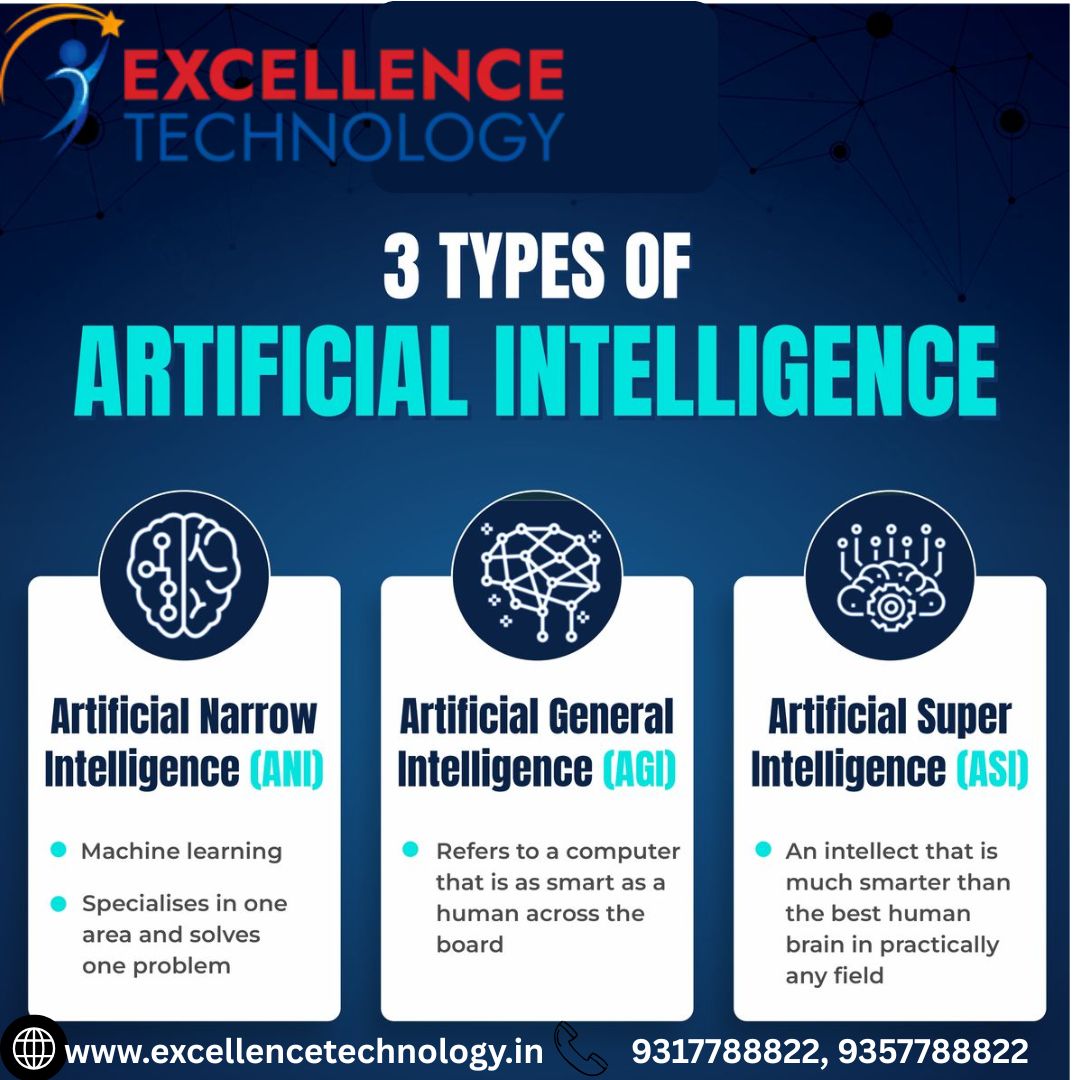
Looking ahead, the future of artificial intelligence appears both incredibly exciting and deeply complex. We are moving away from “narrow AI”—which can only perform one task—and toward more intuitive, deeply integrated systems.
In the coming decade, AI technology will likely manage entire “Smart Cities.” These urban environments will use AI to optimize traffic flow in real-time, reduce energy consumption in public buildings, and manage waste disposal with minimal friction. Within the home, the “Internet of Things” (IoT) will evolve, with every household featuring some form of advanced artificial intelligence assistant capable of managing health, security, and education.
Investment in computational intelligence is reaching record highs across the tech sector, from Silicon Valley to emerging tech hubs in Asia and Europe. It is becoming clear that those who master artificial intelligence will lead the next generation of innovation. For the individual, staying informed about smart technology trends is no longer a hobby—it is essential for future career success and digital literacy.
Final Thoughts on Machine Intelligence
Embracing artificial intelligence is no longer optional for modern, thriving businesses or informed citizens. This powerful technology offers a suite of tools that do not replace us, but rather enhance our innate human capabilities, allowing us to see further and process more than ever before.
While valid challenges exist—from ethical dilemmas to economic shifts—the collective benefits of artificial intelligence far outweigh the risks if managed with care and foresight. Let us move forward with smart systems, not as passive observers, but as active architects of a better, more efficient, and more compassionate world. The evolution of AI is, ultimately, the evolution of human potential.



Leave a Reply