
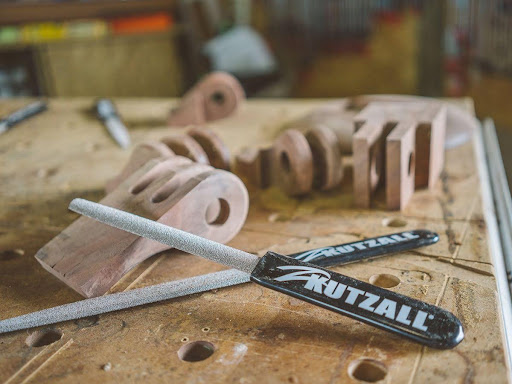
A file is one of the most essential hand tools in woodworking, valued for its ability to quickly shape and refine wood. Unlike standard files, rasp files feature individually raised teeth that aggressively remove material, making them ideal for rough shaping tasks. Whether you are a beginner or an experienced craftsman, understanding the practical uses of a wood rasp file can significantly improve the efficiency and quality of your work.
Shaping Rough Wood Surfaces
One of the primary uses of a wood rasp file is shaping rough or uneven wood. When working with raw lumber or hand-cut pieces, surfaces are often irregular and need refinement. A rasp file allows woodworkers to quickly remove excess material, helping bring the workpiece closer to its desired form. This is especially useful in projects like furniture making, where components need to fit together accurately.
Carving and Sculpting Wood
A wood rasp file is widely used in carving and sculpting applications. Its coarse teeth make it ideal for removing large amounts of material while maintaining control. Woodworkers often use rasps to define curves, contours, and intricate shapes in projects such as wooden bowls, sculptures, and decorative elements. Compared to chisels, a rasp file offers more flexibility when working on organic or freeform designs.

Smoothing Curved and Irregular Surfaces
Standard sandpaper or flat files can struggle with curved or irregular surfaces, but a wood rasp file excels in these situations. It can easily follow contours and reach areas that other tools cannot. After the initial shaping, finer rasps or files are used to smooth the surface further before sanding. This makes the rasp file an essential tool for projects involving rounded edges, chair legs, or carved handles.
Fitting and Adjusting Joinery
Precision is crucial in woodworking joinery, and a wood rasp file can help achieve a perfect fit. When joints such as mortise-and-tenon or dovetails are slightly too tight, a rasp file can be used to remove small amounts of material without damaging the structure. This controlled material removal ensures that joints fit snugly while maintaining their strength and integrity.

Deburring and Edge Refinement
After cutting or sawing wood, the edges can often be rough or splintered. A rasp file is effective for deburring these edges and making them safer to handle. It can also be used to slightly round off sharp corners, improving both the appearance and functionality of the finished piece. This step is particularly important in furniture and household items where user safety is a priority.
Working on Large and Small Projects
The versatility of a wood rasp file makes it suitable for both large-scale and detailed projects. For larger tasks, such as shaping beams or thick wooden components, a coarse rasp can efficiently remove material. For finer work, smaller rasps or those with finer teeth provide greater control. This adaptability allows woodworkers to use the same type of tool across a wide range of applications.
Enhancing Tool Control and Precision
Unlike power tools, a wood rasp file offers greater control, allowing woodworkers to work gradually and precisely. This is particularly important when working on delicate or detailed sections where mistakes can be costly. The tactile feedback provided by a rasp file helps users gauge how much material is being removed, reducing the risk of over-cutting.
Preparing Surfaces for Finishing
Before applying finishes such as paint, stain, or varnish, surfaces need to be properly prepared. A wood rasp file helps in the early stages of surface preparation by removing tool marks and shaping the wood. After using the rasp file, the surface can be further refined with finer files and sandpaper to achieve a smooth, professional finish.
Conclusion
A file is a highly versatile and indispensable tool in woodworking, offering solutions for shaping, carving, smoothing, and refining wood surfaces. Its ability to remove material quickly while maintaining control makes it suitable for a wide range of tasks, from rough shaping to detailed adjustments. While hand tools like rasps remain fundamental, combining them with modern power carving tools for wood can further expand creative possibilities and improve productivity. By mastering the use of a rasp file, woodworkers can enhance both the efficiency and quality of their projects.