
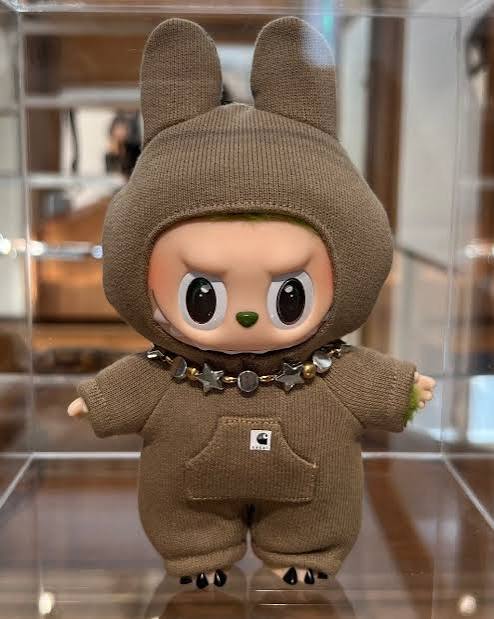
The world of collectibles has changed dramatically in recent years, and one of the most fascinating examples of this transformation is the success of Pop Mart and its famous character, Labubu. What was once a niche interest among designer toy enthusiasts has developed into a worldwide cultural phenomenon, attracting collectors, fashion lovers, young consumers, and social media audiences. Labubu stands out because of its unusual appearance, expressive face, pointed ears, mischievous smile, and playful personality. Unlike traditional toys designed primarily for children, Labubu belongs to a creative collectible culture in which artistic design, emotional connection, rarity, and personal expression all play important roles. Pop Mart helped bring this character to a much wider audience through its distinctive retail strategy, collectible series, and blind-box packaging. The combination created an experience that extends beyond simply buying a toy. Customers are often purchasing a surprise, participating in a collecting community, and discovering a character they can display, photograph, or incorporate into their personal style. Understanding the success of Pop Mart and Labubu therefore requires looking at the creativity, marketing, consumer psychology, and cultural trends that helped transform a small collectible figure into an internationally recognised phenomenon.
What Is Pop Mart and How Did Labubu Become Part of Its Story?
Pop Mart is a Chinese company known for designer toys, character merchandise, and collectible figures created through collaborations with artists and intellectual property owners. Rather than relying exclusively on conventional toys, the company developed a business around distinctive characters that appeal to consumers interested in art, design, storytelling, and collecting.Labubu was created by artist Kasing Lung and belongs to his imaginative character universe, The Monsters. The character’s appearance combines features that might initially seem unusual, including pointed ears, small teeth, and an impish expression. Yet those characteristics are precisely what make Labubu memorable. It does not follow the traditional formula of a perfectly cute character with a smooth, predictable appearance. Instead, its slightly wild and mischievous personality gives it a recognisable identity. Pop Mart helped expand Labubu’s commercial reach by bringing the character into collectible product lines and making it accessible to consumers through its retail network. This relationship between an artist’s original creative vision and a company’s distribution and marketing capabilities became an important part of Labubu’s journey from an illustrated character to a major collectible sensation.
The Power of Blind Boxes in Pop Mart’s Success
One of the most influential elements of Pop Mart’s business model is its use of blind boxes. A blind box contains a collectible item whose exact design is not revealed until the package is opened. Customers generally know which series they are purchasing, but they may not know which individual character or variation they will receive. This simple idea transforms shopping into an experience built around curiosity and anticipation. Opening a package becomes a small event, and discovering a favourite design can create excitement that a predictable purchase might not provide. Some collections also feature rare or secret designs, which can encourage collectors to explore an entire series. The format is particularly suited to social media because the moment of opening a box can be recorded, shared, and discussed with other enthusiasts. However, blind boxes also require responsible marketing and informed purchasing decisions. The uncertainty can encourage repeated buying, especially when customers are trying to complete a collection or find a rare figure. Pop Mart’s success demonstrates how packaging can become part of a product’s appeal, but it also highlights the importance of setting personal spending limits and understanding that a particular design is never guaranteed unless the seller explicitly offers it.

Labubu’s Unique Design and Emotional Appeal
A collectible character needs more than a fashionable name to establish a lasting connection with its audience. Labubu’s distinctive design provides a strong foundation for its popularity because it combines an unusual appearance with an expressive personality. Its wide eyes, pointed ears, little teeth, and mischievous grin create a character that feels playful, slightly rebellious, and different from conventional cute toys. For many collectors, this combination makes Labubu instantly recognisable among countless products competing for attention. Its designs can also communicate different moods through colours, clothing, poses, and themed accessories. One version may look adventurous, while another appears sweet, mysterious, or humorous. This variety allows collectors to develop preferences and connect with particular releases. Emotional attachment is especially important in the collectible market because people often buy figures for reasons beyond their practical function. A character may remind someone of a happy memory, reflect their personality, or simply make their living space feel more cheerful. Labubu’s visual identity gives consumers a character they can recognise, personalise, photograph, and incorporate into their daily lives. That emotional dimension helps explain why the figure has attracted attention well beyond the traditional designer-toy community.
Social Media: The Driving Force Behind Labubu’s Global Popularity
Social media has played a major role in turning Labubu from a collectible character into an internationally discussed fashion and lifestyle trend. Platforms such as TikTok, Instagram, and YouTube allow collectors to share unboxing videos, display their favourite figures, compare different releases, and introduce the character to people who may never have visited a designer toy shop. A short video showing the excitement of opening a blind box can reach thousands of viewers and inspire others to explore the collection. Photographs of Labubu figures attached to handbags or arranged on shelves also make the character visible in everyday settings. This visual flexibility helps the product appeal to different audiences, from serious collectors to people who simply enjoy playful accessories. Social media creates a cycle in which discovery encourages curiosity, curiosity leads to purchases, and new purchases generate more content. The trend can grow quickly because consumers are not merely watching advertisements; they are seeing products featured by fellow enthusiasts, creators, and public figures. Nevertheless, online popularity does not automatically guarantee that every product is valuable or suitable for every buyer. Labubu’s social media success is best understood as a combination of recognisable design, shareable experiences, community participation, and the speed at which digital platforms spread cultural trends.
Celebrity Influence and the Connection Between Labubu and Fashion
Celebrity visibility has helped introduce Labubu to audiences who may have little previous interest in collectible toys. When well-known entertainers, fashion personalities, and influencers are photographed carrying character accessories or displaying collectible figures, those products can quickly become part of wider fashion conversations. The association between Labubu and handbags has been especially effective because it turns a small toy into a visible personal accessory. Instead of remaining on a collector’s shelf, a figure can become a decorative charm that expresses personality and adds a playful detail to an otherwise conventional outfit. Pop Mart has benefited from this overlap between collectible culture and fashion, where toys, accessories, and lifestyle products increasingly influence one another. Celebrity exposure can accelerate interest, but it does not explain the entire phenomenon. Labubu already possesses a distinctive appearance and an established creative identity, giving audiences something memorable to respond to when the character appears in public. Fashion trends also change quickly, so the long-term strength of the character depends on more than famous endorsements. Its original design, product variety, and continuing appeal to collectors remain important factors in maintaining interest after an initial burst of publicity.

Limited Editions, Collecting, and the Excitement of Rarity
Another important factor in the success of Pop Mart and Labubu is the collecting experience itself. Different series, seasonal themes, character costumes, and limited releases give enthusiasts reasons to follow new product announcements. For some collectors, the enjoyment comes from finding a favourite design; for others, it comes from completing a series or arranging an assortment of figures into a personal display. The possibility of discovering a less common design can make opening a blind box exciting, while themed collections provide a sense of continuity between individual purchases. Rarity can also create a secondary resale market, where particular figures are offered at prices that differ from their original retail cost. However, resale prices are influenced by demand, authenticity, condition, availability, and changing trends. A high asking price does not necessarily mean that a figure will sell for that amount or maintain its value. Collectibles should therefore be approached primarily as items purchased for enjoyment rather than guaranteed investments. For people who enjoy collecting, the most meaningful reward may be the experience of discovering a design they love, building a display over time, and sharing their enthusiasm with others rather than chasing every rare release.
Pop Mart’s Retail Strategy and Brand Experience
Pop Mart’s growth also reflects a retail strategy that places considerable emphasis on character identity, product presentation, and the experience of discovering collectibles. Its branded stores and vending-style retail machines can make browsing feel more engaging than an ordinary shopping trip. Customers can explore different character collections, examine product displays, and discover themed releases in a visually distinctive environment. Online channels extend that experience by allowing shoppers to learn about products, follow new collections, and participate in enthusiast communities. This combination of physical retail and digital discovery helps the company connect with consumers across different markets. Another important element is the development of character-based intellectual property. When consumers recognise and become attached to a character, they may become interested in other products featuring the same design universe. That connection can support new collections, collaborations, accessories, and related merchandise. Labubu demonstrates how an artist-created character can become a broader commercial identity when creative design is supported by effective distribution and audience engagement. At the same time, continued success requires maintaining product quality, protecting intellectual property, and giving customers compelling reasons to remain interested as the market becomes more competitive.
The Economic Impact of the Labubu Phenomenon
The popularity of Labubu illustrates how character merchandise can influence consumer spending, retail activity, and the broader designer-toy market. Strong demand can create opportunities for manufacturers, retailers, artists, logistics providers, and businesses offering related accessories. It can also attract new consumers to collectible products who previously had little interest in the category. For Pop Mart, successful character lines can strengthen brand recognition and encourage customers to explore other collections. However, a fast-growing trend can also create challenges. High demand may lead to stock shortages, inflated resale prices, counterfeit products, and disappointment among customers who struggle to find particular releases. Online marketplaces can make genuine products easier to discover, but they may also expose shoppers to misleading listings. Buyers should examine seller reputations, product photographs, packaging details, and authenticity information before purchasing, especially when prices appear unusually attractive. The broader lesson is that popularity can generate substantial commercial opportunities while also increasing the need for responsible retail practices and consumer awareness. A sustainable collectible market depends not only on excitement but also on trust, product quality, and realistic expectations about availability and resale value.
The Future of Pop Mart and Labubu
The future of La bubu will depend on how successfully its creators and commercial partners balance innovation with the qualities that made the character appealing in the first place. New themes, imaginative designs, artistic collaborations, and thoughtfully developed merchandise can introduce fresh experiences without abandoning the character’s recognisable identity. Expanding into different product categories may also allow Labubu to reach audiences with varied interests, including people who enjoy fashion accessories, decorative objects, and artistic collectibles. However, a character that becomes extremely popular can face the challenge of market saturation if too many products are released without sufficient variety or creative direction. Consumer interests naturally evolve, and today’s most talked-about collectible may face competition from tomorrow’s new character. Maintaining a meaningful relationship with the original artistic vision will therefore be important. Collectors are often attracted to a combination of originality, emotional connection, and discovery, not simply the presence of a fashionable name. If Pop Mart continues to support compelling designs and provide an enjoyable collecting experience, Labubu may retain a place in designer-toy culture even as individual trends change. Its long-term influence will ultimately depend on whether audiences continue to value the character beyond its moment of peak visibility.
Conclusion Why Pop Mart and Labubu Became a Global Success
The success of Pop Mart and Labubu is the result of several connected factors rather than one isolated marketing technique. Kasing Lung’s distinctive character design gave Labubu a memorable identity, while Pop Mart helped introduce it to a much wider audience through collectible product lines, blind-box experiences, and an expanding retail presence. Social media made unboxing and collecting highly shareable, celebrity visibility brought the character into fashion conversations, and limited designs encouraged enthusiasts to follow new releases. Together, these elements transformed a designer collectible into a recognised part of contemporary popular culture. Yet the story also reveals the importance of emotional connection, community, responsible purchasing, and creative originality in the modern consumer market. Labubu’s appeal goes beyond its physical appearance because people can use the character to express their tastes, celebrate a hobby, or add personality to everyday accessories. Whether its popularity continues at the same intensity or settles into a more established collecting community, its rise offers a valuable example of how art, commerce, and digital culture can work together. Ultimately, the lasting achievement of Pop Mart and Labubu lies in showing how a distinctive character, supported by an engaging consumer experience, can capture attention across countries and generations.