
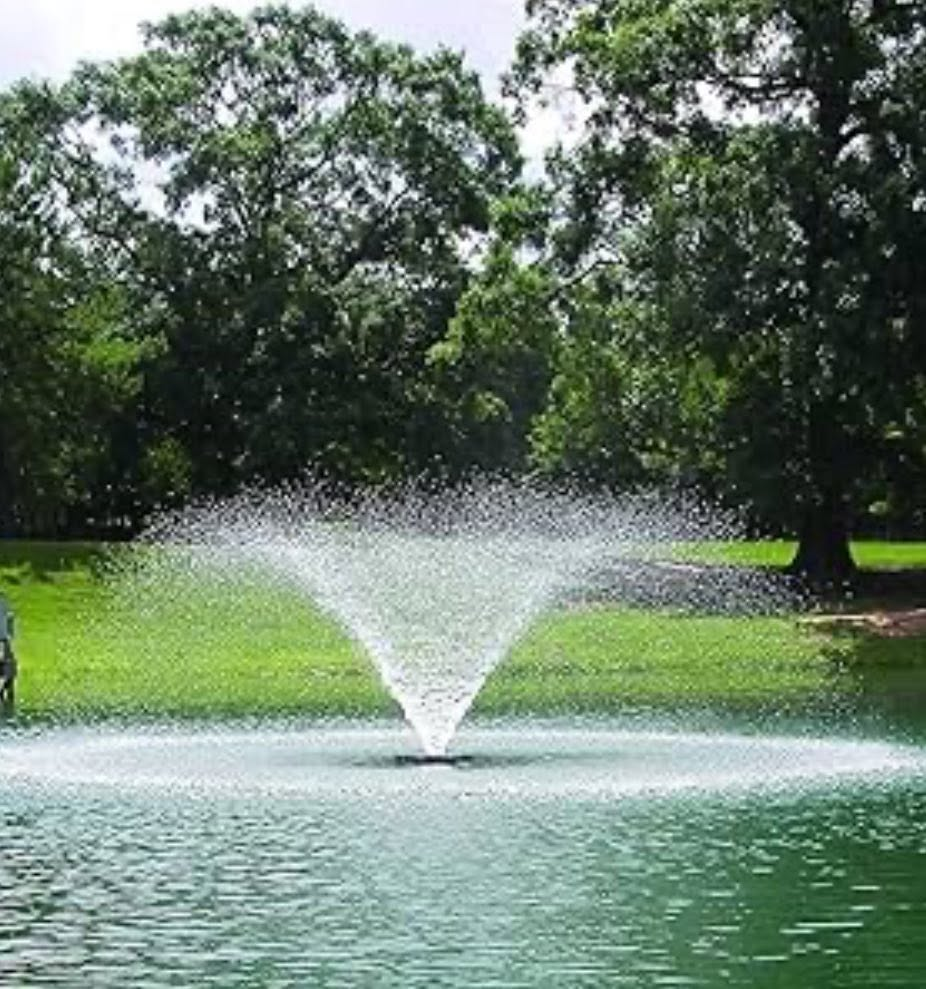
Ponds add beauty, tranquility, and ecological value to residential and commercial landscapes. However, maintaining a healthy pond requires more than simply filling it with water. Without proper circulation and aeration, ponds can experience issues such as algae growth, unpleasant odors, and declining water quality. This is where floating fountains for small ponds can play an important role.
By promoting water movement and increasing oxygen levels, floating fountains help support a healthier aquatic environment while enhancing the visual appeal of a pond. Understanding how these systems contribute to pond maintenance can help property owners make informed decisions about water feature management.
Why Water Circulation Matters?
Still water can create conditions that encourage the growth of algae and harmful microorganisms. When water remains stagnant for extended periods, oxygen levels may decrease, affecting fish, aquatic plants, and beneficial bacteria.

Water circulation helps distribute oxygen throughout the pond while preventing debris and nutrients from accumulating in one area. This movement creates a more balanced aquatic ecosystem and supports natural biological processes that contribute to cleaner water.
For smaller water bodies, maintaining circulation is especially important because changes in water quality can occur more rapidly than in larger ponds.
Improving Pond Aeration
One of the primary functions of pond fountains is aeration. As water is propelled into the air and falls back into the pond, it comes into contact with oxygen. This process helps increase dissolved oxygen levels within the water.
Adequate oxygen is essential for aquatic life and beneficial bacteria that break down organic matter. When oxygen levels are sufficient, ponds are better equipped to manage leaves, grass clippings, and other debris that naturally enter the water.
Many property owners choose floating fountains for small ponds because they combine aeration and aesthetics into a single solution that supports overall pond health.
Supporting Better Water Quality
Water quality is influenced by several factors, including oxygen levels, nutrient concentrations, and organic waste accumulation. Poor water quality can lead to cloudy water, excessive algae growth, and unpleasant smells.
Consistent water movement helps reduce these issues by preventing stagnation and encouraging natural decomposition processes. Aerated water creates a healthier environment for microorganisms that help maintain ecological balance.
While fountains are not a complete solution for every pond challenge, they can be an important part of an overall maintenance strategy designed to support cleaner and healthier water conditions.
Enhancing Visual Appeal
Beyond their practical benefits, pond fountains create attractive water displays that can enhance outdoor spaces. The movement of water introduces visual interest and can become a focal point within gardens, parks, residential communities, and commercial properties. The sight and sound of moving water often contribute to a more relaxing atmosphere. Many people find that water features create a sense of calm and help transform ordinary landscapes into more enjoyable environments. Because of their versatility, floating fountains for small ponds are commonly used in settings where both functionality and appearance are valued.
Helping Manage Algae Growth
Algae thrive in environments where nutrients, sunlight, and stagnant water are present. Although fountains do not eliminate algae entirely, increased circulation can help make conditions less favorable for excessive growth. By keeping water moving and improving oxygen levels, fountains support a healthier aquatic balance.
Conclusion
Maintaining a healthy pond involves managing water quality, supporting oxygen levels, and preventing stagnation. Effective circulation can help address many common pond challenges while also improving the overall appearance of the water feature. For those evaluating equipment options, a 1/3 HP pond fountain may be one of several considerations, depending on pond size and circulation requirements. Proper planning and maintenance can help ensure long-term pond health and enjoyment.