
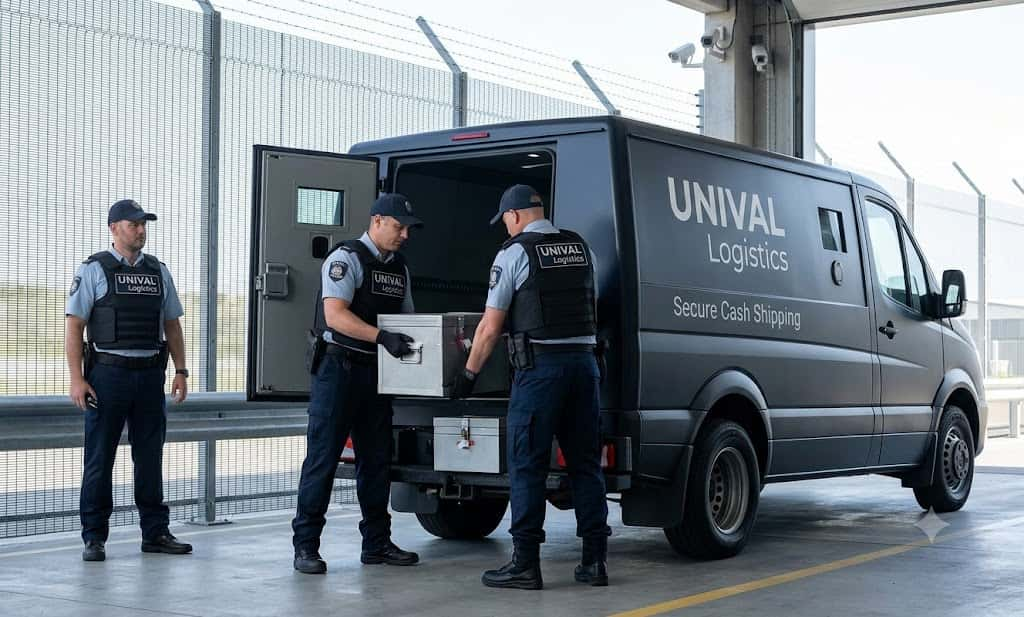
Summary: Shipping physical currency may be lawful in certain circumstances, but legality does not mean every carrier will accept it. Review the provider’s current rules, distinguish ordinary parcel services from specialized cash transportation, and confirm security arrangements and insurance limitations before sending money.
Overview
Cash is unusual as a shipment because it is valuable, difficult to replace once lost, and subject to rules that differ from those governing ordinary goods. A parcel carrier may accept many kinds of merchandise while excluding banknotes, coins, negotiable instruments, or other monetary items from its standard services or coverage.
The legal position depends on the circumstances. Domestic transportation of lawfully held cash is not generally prohibited in every case, but specific activities may trigger federal or state requirements. International movements can involve customs declarations and currency-reporting rules, while commercial cash-handling activities may be subject to additional regulatory obligations.

The most important distinction is between whether transporting cash is legal and whether a particular carrier agrees to transport it. UNIVAL Logistics recommends checking the exact service terms, legal requirements, delivery process, and insurance conditions before arranging any cash-related shipment.
Key Takeaways
- Cash shipping is not universally illegal in the United States, but the purpose, route, amount, and circumstances matter.
- Carrier policies vary. Many standard parcel services restrict cash or exclude it from coverage.
- Declared value does not guarantee protection. Currency may be excluded from declared-value programs and shipping insurance.
- Specialized cash-in-transit providers may be more appropriate for commercial currency transportation.
- International movements require extra care because customs declarations and currency-reporting obligations may apply.
- Documentation matters. Keep records showing the lawful purpose, origin, destination, and authorized recipient.
- Verify acceptance in writing before handing over currency to any transportation provider.
Quick Answer: Cash shipping is not automatically illegal in the United States, but many ordinary parcel services restrict or exclude physical currency. Check the carrier’s current terms before booking. For business cash movements or substantial amounts, consider a qualified cash-in-transit provider and confirm applicable legal requirements, security procedures, and coverage in writing.
Is It Legal to Ship Cash in the United States?
In general, transporting lawfully held cash within the United States is not automatically illegal. However, the purpose of the transfer, the parties involved, the shipping method, and any applicable state or federal requirements can affect what is permitted.
Domestic Cash Shipping
For domestic shipments, the key question is whether the chosen carrier accepts physical currency and under what conditions. The United States Postal Service (USPS) permits currency in eligible domestic mail classes, subject to its mailing standards. For commercial cash transactions exceeding $500, USPS requires Registered Mail, and its rules prohibit using USPS-provided packaging for commercial cash transactions.
This does not mean that every parcel service accepts cash, or that every mailed cash shipment receives full-value protection. Check the exact service requirements before sending currency.
International Cash Shipping and Reporting
International shipments require additional attention. Under US federal rules, a person who transports, mails, ships, or causes the transportation of currency or certain monetary instruments exceeding $10,000 in aggregate at one time into or out of the United States generally must file a Report of International Transportation of Currency or Monetary Instruments, known as FinCEN Form 105, subject to applicable rules and exceptions. The reporting obligation can apply even when a third party or carrier handles the shipment.
The $10,000 threshold is a reporting threshold, not a general prohibition on moving larger amounts. Additional requirements may apply depending on the destination country and the type of monetary instrument. Check the current guidance from US Customs and Border Protection and FinCEN before arranging an international transfer.
Which Carriers Allow Cash Shipping?
Carrier acceptance rules differ significantly. A service that transports ordinary parcels may expressly prohibit banknotes, while postal services may permit cash under specific mailing standards. Policies can also vary between domestic and international services.
USPS: Domestic Mailing Under Specific Rules
USPS permits currency in eligible domestic mail classes, subject to its standards. Registered Mail is particularly important for commercial cash transactions exceeding $500, and additional conditions apply to packaging and insurance.
USPS also distinguishes ordinary mailing from the amount of indemnity available. Its published guidance states that the maximum indemnity for currency sent by eligible mail classes other than Registered Mail is generally $15, while Registered Mail can provide coverage up to its applicable limit. Verify current limits and eligibility directly with USPS before mailing cash.
UPS: Banknotes and Currency Restrictions
UPS’s published US prohibited-items guidance lists bank bills, notes, and currency among prohibited items. Therefore, you should not assume UPS will accept a shipment containing cash under its standard services. Check the current terms and any applicable contractual arrangements directly with UPS before proceeding.
FedEx and Other Parcel Services
For FedEx and other commercial parcel providers, review the current service guide and terms covering cash, currency, negotiable instruments, and declared value before booking. Do not assume that a label can be purchased for a cash shipment simply because the online shipping system allows you to enter an address.
A declared-value option should not be treated as proof that cash is an accepted item or that the money would be reimbursed if lost. Ask the provider to confirm in writing whether physical currency is eligible for the exact service and route.
Specialized Cash-in-Transit Providers
For commercial cash movements, a specialized cash-in-transit provider may be more suitable than an ordinary parcel carrier. Depending on the provider and contract, services may include secure collection, controlled transport, documented custody, and delivery to an authorized recipient.
Before engaging a provider, verify its legal authorization where required, security procedures, geographic service area, liability terms, and insurance arrangements. Not every security or armored transport company offers the same services, and acceptance of cash should be confirmed before booking.
How Much Does Cash Shipping Cost?
Cash transportation costs depend on the amount being moved, the distance, collection and delivery requirements, security arrangements, and the provider’s acceptance policy. Ordinary parcel postage should not be assumed to be available for cash, and specialized providers may quote each job individually.
For budgeting purposes, consider these cost categories:
- Postal service charges: Depend on the eligible mail class, destination, weight, and selected services. Registered Mail and other options may have additional charges.
- Specialized cash-in-transit service: Usually requires a provider-specific quotation based on the route, collection and delivery arrangements, amount, and security requirements.
- Additional handling and documentation: May apply where a commercial shipment requires special collection procedures, reporting, or other administrative work.
- Insurance or contractual liability: Must be confirmed separately. Cash may be excluded from standard parcel coverage, and specialized providers may offer different contractual protection.
Important Disclaimer
Cash transportation prices are subject to market fluctuations, supplier changes, and variable logistics fees. No universal rate applies to every cash shipment, and the categories above are not a confirmed quotation. Coverage, service availability, and pricing depend on the provider, route, amount, and applicable terms. For the latest and most accurate cost information, please contact UNIVAL Logistics for professional guidance.
Security and Documentation Best Practices
Cash requires careful control because it can be difficult to recover once lost or delivered to the wrong recipient. Before arranging transportation, confirm who is authorized to release the money, who will receive it, and what evidence of custody will be provided.
For business transactions, maintain appropriate records of the amount, purpose, source, destination, and authorized parties. Use a provider that explains its collection procedures, delivery verification, incident reporting process, and contractual responsibility.

Do not conceal cash inside a shipment described as ordinary merchandise, or provide an inaccurate contents declaration to get around a carrier restriction. Misrepresentation can result in refusal, loss of coverage, contractual disputes, or legal consequences.
UNIVAL Logistics recommends confirming the provider’s acceptance of physical currency before making any payment or preparing a shipment. If the transaction involves substantial amounts, international movement, or unusual circumstances, seek advice from an appropriately qualified legal or compliance professional.
Cash Shipping Considerations in Major US Markets
Businesses operating in Los Angeles, New York, Miami, Chicago, Dallas, Houston, Philadelphia, Atlanta, Las Vegas, San Francisco, Boston, Newark, and Northern New Jersey may need to move cash for deposits, retail operations, authorized commercial transactions, or other legitimate business purposes.
The appropriate service depends on the exact collection and delivery points, amount, urgency, and provider’s service area. A standard parcel carrier may not accept cash even when it serves both locations. A specialized provider may offer a more appropriate service for commercial cash movements, subject to its coverage area and contractual requirements.
For recurring business collections, consider establishing a documented process that identifies authorized personnel, reconciles amounts, records custody transfers, and verifies delivery. For a one-time shipment, confirm the provider’s requirements before scheduling collection.
UNIVAL Logistics recommends evaluating the security arrangements and legal requirements for the actual route rather than assuming that availability in one city means a service is available for every location or transaction.
Common Mistakes to Avoid
One of the biggest mistakes is assuming that cash can be sent through any parcel carrier because domestic transportation is generally lawful. Carrier restrictions are separate from the law, and a prohibited item may not be eligible for reimbursement even if a declared value was entered.
Another mistake is assuming that postal insurance or standard parcel coverage will reimburse the entire amount. The actual limits can vary significantly by service and type of shipment. Confirm the specific cash coverage and applicable indemnity limit before handing over the money.
Sending cash internationally without checking reporting obligations is another serious error. For qualifying movements exceeding the applicable $10,000 threshold, reporting requirements may apply to the person who transports, mails, ships, or causes the shipment. Do not split shipments or misdescribe their contents to avoid reporting obligations.
Finally, avoid arranging high-value cash transport without confirming the recipient, custody procedure, and delivery evidence. A written service agreement can help clarify responsibilities and what happens if a collection, transfer, or delivery goes wrong.
Frequently Asked Questions
1. Is cash shipping legal in the United States?
Domestic cash transportation is not generally prohibited in every circumstance, but carrier rules and other legal requirements apply. The legality of a particular transaction depends on the circumstances, purpose, parties, and route.
2. Can I send cash through USPS?
USPS permits currency in eligible domestic mail classes under its mailing standards. Commercial cash transactions exceeding $500 require Registered Mail, and specific packaging and indemnity rules apply. Check the current USPS requirements before sending money.
3. Does UPS allow cash shipments?
UPS’s published US prohibited-items list identifies bank bills, notes, and currency as prohibited. Do not send cash through a standard UPS service unless UPS confirms in writing that a specific authorized arrangement applies.
4. Can I ship cash through FedEx?
FedEx’s service terms prohibit cash and currency in ordinary shipments and state that declared value does not make a prohibited cash shipment eligible for reimbursement. Check the current service guide for any applicable service-specific arrangements before proceeding.
5. Can cash be insured during shipping?
Potentially, depending on the service and terms. USPS provides specific Registered Mail indemnity provisions for eligible cash shipments, while standard parcel carriers may exclude currency. Always verify the exact coverage, limits, and claim requirements.
6. Do I have to report cash shipped internationally?
A person who transports, mails, ships, or causes qualifying currency or monetary instruments exceeding $10,000 in aggregate at one time into or out of the United States generally must file FinCEN Form 105, subject to applicable rules and exceptions. Check current government guidance for the transaction.
7. Is an armored courier suitable for cash shipping?
A qualified cash-in-transit or armored transport provider may be appropriate for business cash movements. Verify that it accepts the specific shipment, operates on the required route, and provides suitable security procedures and written contractual terms.
8. Can I send cash between US cities such as New York and Los Angeles?
The route itself does not establish whether a shipment is accepted. You must verify the chosen provider’s rules, service availability, security arrangements, and applicable coverage for the specific shipment.
9. Is shipping a cashier’s check the same as shipping cash?
No. A cashier’s check is a monetary instrument, but carriers and insurers may classify checks differently from physical currency. Check the applicable policy for the exact item and remember that some instruments may have separate reporting or handling requirements.
10. How can UNIVAL Logistics help with cash transportation planning?
UNIVAL Logistics can help you identify the questions to ask when evaluating transportation, documentation, and coverage for valuable shipments. Confirm directly whether a suitable service is available for physical currency, and verify the provider’s acceptance, security arrangements, and contractual terms before booking.
Final Thoughts
Cash shipping requires careful attention to the difference between legal permission, carrier acceptance, and financial protection. USPS permits certain domestic cash mailings under specific conditions, while UPS and FedEx publish restrictions on currency in their standard services. Specialized cash-in-transit providers may be more suitable for commercial movements, depending on the route and requirements.
Before sending money, verify the current rules, confirm acceptance in writing, and understand the applicable reporting and coverage requirements. UNIVAL Logistics recommends planning the shipment around documented procedures, appropriate security, and clear contractual terms rather than relying on ordinary parcel services by default.