
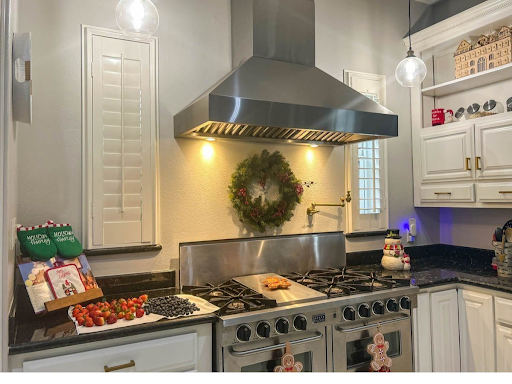
Cooking with gas offers precise temperature control and quick heat adjustments, making it a popular choice for many households. However, gas appliances also generate excess heat, airborne grease, moisture, and combustion particles that can affect indoor air quality. Because of this, range hoods for gas stoves should provide strong ventilation and effective filtration to handle the demands of everyday cooking. Features such as adequate airflow, proper hood sizing, and efficient grease capture are important considerations when comparing options. Understanding how gas cooking impacts your kitchen environment can help you select a ventilation system that promotes cleaner air and a more comfortable cooking space.
Why This Matters for Home Cooks
A gas burner can throw off a surprising amount of moisture and fumes. Without strong ventilation, that lingers as odor, condensation, and a film on every surface. Choosing range hoods for gas stoves with adequate capture and airflow protects both your health and your finishes, which matters in any home where the kitchen is the heart of daily life. Good ventilation is quiet insurance against problems you would rather avoid.
Local Needs and Kitchen Expectations
Your environment shapes the right pick. A tightly sealed modern home, a humid coastal climate, or a high altitude kitchen each places different demands on ventilation. Matching the hood to your conditions, not just your range, leads to better long term results and fewer regrets after installation. A galley layout, an open plan great room, and a kitchen island each pull air differently, so the same hood can perform unevenly depending on where the cooktop sits.

Climate and Airflow Factor
Airflow is measured in CFM, and gas ranges generally call for more than electric. As a rule of thumb, size capacity to your burner output and consider make up air in tightly built homes so the system breathes properly and exhausts without strain. Ceiling height matters too, since taller rooms disperse fumes faster and may call for a stronger motor to capture them at the source.
Installation and Fit
The hood must fit your space and venting path. Ducted setups exhaust outside for the best performance, while layout, ceiling height, and cabinet depth decide which style installs cleanly. Measuring carefully before buying prevents the most common headaches.

Trust and Build Quality
Stainless steel construction, quality baffle filters, and quiet, durable motors signal a hood built to last. These trust signals matter more over a gas range that runs hot and often, where weak components wear out fast.
What Buyers Should Check
Before you order range hoods for gas stoves, confirm the essentials so the hood performs from day one and keeps performing for years.
- Match CFM to your burner output and the size of your kitchen.
- Confirm duct size and the shortest practical vent run.
- Choose dishwasher safe baffle filters for easy cleaning.
- Check noise ratings in sones for comfortable daily use.
Verifying these points up front prevents the most common regret, which is buying a hood that looks great but cannot keep up with a busy gas range. A few minutes of measuring saves years of frustration and protects the investment you make in your kitchen.
Maintenance That Keeps Performance High
Even the strongest hood fades when neglected. Grease builds up on filters and inside ductwork, which slowly chokes airflow and raises noise. Cleaning baffle filters every few weeks and wiping the surfaces keeps the system pulling at full strength. Gas cooking produces more residue than electric, so a simple maintenance habit matters even more here. Treating upkeep as part of ownership is the easiest way to protect both performance and the lifespan of the motor. A hood that breathes freely also runs quieter and uses less energy, so the small effort pays you back in comfort as well as longevity. Many owners set a simple reminder so cleaning never slips, which keeps the kitchen fresh and the fan working as designed for years to come.
Final Thoughts
A high-performing ventilation system should balance airflow capacity, proper sizing, and long-lasting construction to meet the needs of your cooking space. Taking time to evaluate burner output, kitchen layout, and ducting requirements can help ensure effective performance for years to come. The right ventilation solution improves air quality, reduces grease buildup, and enhances overall comfort while cooking. For smaller kitchens, an under-cabinet vent hood offers an efficient way to maintain strong ventilation without taking up valuable space, making it a practical choice for compact and functional kitchen designs.