
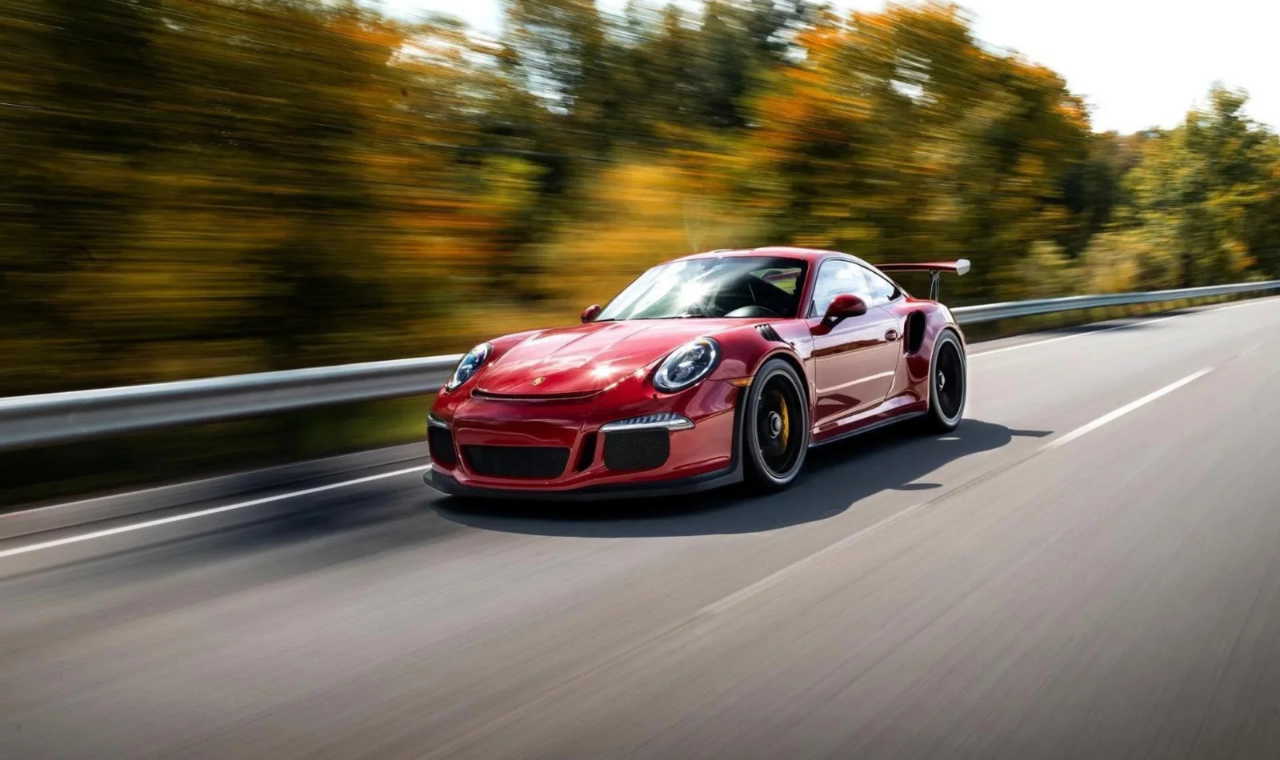
The best custom paint isn’t necessarily the brightest or most unusual. Instead, it’s the finish that complements the vehicle’s design while reflecting the owner’s vision. Experienced painters know that great custom paint combines thoughtful color selection with excellent preparation and skilled application.
One thing I’ve noticed over the years is that many owners spend months searching for an eye-catching color but overlook how that color will interact with the vehicle’s body lines. Sometimes a subtle shade applied flawlessly creates a stronger impression than the boldest color imaginable. I have seen a deep, well-finished blue on a classic coupe draw more attention than a neon color on a heavily modified car simply because the paint worked with the shape instead of fighting it.
It also helps to think beyond the initial reveal. A finish that looks dramatic in the shop may behave very differently in sunlight, under streetlights, or after a few months of regular driving. That is why the best custom paint ideas are not just about appearance on day one. They are about how the vehicle will look, age, and feel in real-world use.

Start with the Character of the Vehicle
Every vehicle has its own personality.
A classic muscle car, a vintage Porsche, and a modern sports coupe all lend themselves to different paint styles. A long-hood grand tourer often looks elegant in a restrained color, while a boxier truck may carry a bolder treatment without feeling overdone. The shape of the vehicle should guide the paint choice just as much as personal taste does.
Before choosing a color, consider:
- The vehicle’s era
- Body shape
- Intended use
- Existing modifications
- Overall design theme
The most successful custom paint schemes enhance the original design rather than competing with it. A color that highlights the fenders, roofline, or beltline can make the vehicle appear more refined. On the other hand, a finish that ignores those lines may flatten the design and make the car feel less cohesive.
It is also worth considering how much attention you want the vehicle to attract. Some owners want a paint job that announces itself from across a parking lot. Others prefer a finish that rewards a closer look. Neither approach is wrong. The key is choosing a direction that matches the personality of the build.
Deep Solid Colors Never Go Out of Style
Solid colors continue to be one of the most timeless choices for custom builds.
Popular options include:
- Deep black
- Rich navy blue
- Racing green
- Burgundy
- Bright white
When paired with high-quality bodywork and a professionally applied clear coat, these finishes showcase reflections beautifully while emphasizing clean body lines. Solid colors are especially effective when the bodywork is straight, because they leave very little room for imperfections to hide. That can be a challenge, but it also means the final result often looks more deliberate and polished.
Solid colors also tend to age gracefully because they rely on craftsmanship rather than visual effects. A well-executed black or dark green finish can still look impressive years later if it has been maintained properly. In contrast, some trend-driven colors lose their appeal once the novelty wears off.
A practical example is a restored coupe with minimal chrome and clean trim. In that case, a deep solid color can create a strong, almost sculptural appearance. The reflections become part of the design. That is one reason solid finishes remain a favorite among builders who want a classic look with a modern level of refinement.
Metallic Finishes Add Depth
Metallic paint remains a favorite among enthusiasts because it changes character depending on the lighting.
During the day, metallic finishes create subtle movement across body panels.
At night, they often appear richer and more dramatic.
Popular metallic shades include:
- Charcoal gray
- Silver
- Bronze
- Sapphire blue
- Gunmetal
The key is selecting a metallic effect that complements the vehicle without overwhelming its design. Fine metallic particles can add depth and sophistication, especially on vehicles with flowing body lines. Larger metallic flakes, however, can make a finish feel busier than intended if the rest of the build is understated.
Metallic paint also rewards careful application. Spray technique matters because uneven coverage can create patchiness or inconsistent sparkle across panels. That is why experienced painters pay close attention to overlap, gun distance, and lighting during application. The finish should look uniform from every angle, not just under the booth lights.
For owners who want a finish with a little more visual energy than a solid color, metallic paint is often the right middle ground. It adds interest without becoming flashy.
Pearl Paint Creates Subtle Elegance
Pearl finishes contain special pigments that produce a gentle shift in color as viewing angles change.
Unlike dramatic color-changing coatings, pearl paint offers refinement rather than distraction. It can make a vehicle appear slightly warmer in one light and cooler in another, which gives the finish a sense of depth that is difficult to achieve with standard pigments alone.
These finishes often work particularly well on:
- Luxury vehicles
- Modern sports cars
- High-end restorations
- Custom grand tourers
The result is a finish that rewards close inspection without appearing excessive. Pearl paint is especially effective when the goal is elegance. It can make a vehicle feel more expensive and more carefully considered, even if the color itself is fairly restrained.
One detail worth remembering is that pearl finishes can look different depending on the base color underneath. A white pearl, for example, will behave very differently from a pearl layered over silver or champagne. That means sample panels are especially important. A small swatch may not reveal how the finish will look across an entire hood or quarter panel.
Two-Tone Paint Is Making a Comeback
Two-tone designs have returned in recent years, particularly among classic restorations and custom trucks.
Popular combinations include:
- Dark body with light roof
- Contrasting hood accents
- Vintage-inspired side panels
- Coordinated upper and lower body colors
When carefully planned, two-tone paint emphasizes the vehicle’s proportions while adding visual interest. It can make a tall vehicle appear lower, a long vehicle appear more balanced, or a simple body shape feel more dynamic. The effect depends heavily on where the color break is placed.
The transition between colors should always follow the body’s natural lines whenever possible. If the separation line feels random, the whole design can look forced. But when it aligns with a crease, trim line, or body contour, the result feels intentional and well integrated.
Insider Tip
Before committing to a two-tone design, create digital mockups or temporary vinyl layouts to see how the separation lines interact with the vehicle’s body contours. Small adjustments to those lines can dramatically improve the final appearance.
Another useful approach is to step back and view the vehicle from several distances. A line that looks balanced up close may feel too high or too low when seen from across a driveway. That kind of visual testing can save a lot of regret later.
Satin Finishes Offer a Different Personality
Satin paint has become increasingly popular among enthusiasts looking for something distinctive without the high reflectivity of traditional gloss.
Satin finishes can:
- Highlight body shapes
- Reduce glare
- Create a modern appearance
- Emphasize subtle styling
They also require thoughtful maintenance, as improper cleaning techniques may affect the consistency of the finish. Satin paint is not difficult to live with, but it does ask for a little more discipline. Harsh polishing compounds, aggressive buffing, or the wrong wax can alter the texture and create uneven sheen.
Understanding those maintenance requirements before selecting satin paint is always worthwhile. This finish works best for owners who appreciate a more understated, contemporary look and are willing to care for it properly. On the right vehicle, satin can look incredibly sophisticated. On the wrong one, it may feel unfinished.

Accent Details Add Character
Not every custom paint project requires repainting the entire vehicle.
Thoughtfully placed accents can make a significant impact.
Examples include:
- Painted mirror caps
- Hood stripes
- Pinstriping
- Roof accents
- Wheel color coordination
These smaller details often personalize the vehicle while preserving much of its original appearance. They are also a smart option for owners who want a custom touch without committing to a full color change.
Accent work is where restraint matters most. A single stripe or a carefully chosen contrasting roof can sharpen the design. Too many competing accents, however, can make the vehicle feel cluttered. The best accent details usually look simple at first glance and more impressive the longer you study them.
A good example is a classic roadster with a body color that remains mostly original but gains a subtle stripe, painted mirrors, and wheels that echo the trim color. The result feels custom without losing the car’s identity.
Preparation Determines the Final Result
Even the most beautiful color cannot compensate for poor preparation.
Professional refinishing begins with:
- Surface inspection
- Metal repair
- Dent correction
- Panel alignment
- Careful sanding
- Primer application
Smooth bodywork allows reflections to remain crisp and consistent across every panel. If the surface underneath is uneven, the paint will reveal it. That is especially true with glossy or dark finishes, which tend to highlight every ripple and imperfection.
Experienced painters understand that outstanding paint begins long before the spray gun is used. In many cases, the prep work takes far longer than the actual painting process. That is not a sign of inefficiency. It is a sign that the finish is being built correctly.
Insider Tip
If you’re choosing a custom color, ask to view large painted samples outdoors rather than relying on small color chips. A color that appears subtle on a sample card can look dramatically different across the full size of a hood or door under natural sunlight.
It is also smart to inspect the body under different lighting conditions before finalizing the finish. Garage lighting, booth lighting, and daylight all reveal different things. A color that looks perfect in one setting may feel too flat or too bright in another.
Color Matching for Additional Panels
Custom paint projects occasionally require future repairs or additional modifications.
Keeping detailed records of:
- Paint formulas
- Mixing ratios
- Clear coat systems
- Spray techniques
can simplify future refinishing if another panel ever needs attention.
Professional documentation helps maintain consistency throughout the life of the vehicle. This is especially useful on builds that may evolve over time. A car might start with a full repaint, then later receive a new hood, a repaired quarter panel, or a custom body kit. Without accurate records, matching the original finish can become much more difficult.
It is also wise to keep a small sample of the original paint if possible. Even a properly documented formula can vary slightly depending on application method, spray pressure, and environmental conditions. Having a physical reference can make future work more accurate.
Learn from Experienced Automotive Refinishing Professionals
Choosing the right custom paint involves much more than selecting an attractive color. Understanding body preparation, restoration techniques, paint application, and finishing methods helps ensure the finished vehicle looks exceptional for years to come. For practical insights based on real-world restoration and refinishing projects, you can explore the educational resources available at perfect lines restoration, where experienced professionals share valuable guidance on automotive craftsmanship.
That kind of knowledge is especially helpful when you are deciding between finishes that may look similar at first but behave very differently in practice. A painter who has worked on a wide range of vehicles can often point out details that are easy to miss, such as how a certain color will show dust, how a metallic finish will read on curved panels, or how a satin surface will need to be maintained.
Don’t Follow Every Trend
Paint trends change over time.
Colors that attract attention today may not feel as appealing several years later.
Instead of selecting a finish solely because it’s currently popular, consider whether you’ll still enjoy seeing it every time you open the garage door years from now.
Many experienced builders favor timeless designs that continue to look elegant regardless of changing trends. That does not mean avoiding creativity. It simply means choosing a finish that feels personal rather than temporary. A custom paint job should still make sense after the novelty fades.
This is where honest self-assessment helps. If you love bold colors but tend to prefer understated vehicles, a loud finish may not suit your long-term taste. If you enjoy turning heads and do not mind extra attention, a more dramatic choice may be exactly right. The best decision is the one that fits your habits as well as your style.
Think About Maintenance Before You Commit
A custom finish should look good on the day it is completed, but it should also be realistic to maintain.
Some finishes are more forgiving than others. Dark gloss colors may show dust quickly. Satin finishes may require special care. Metallic and pearl paints can hide minor imperfections better, but they still need proper washing and protection.
Before choosing a finish, ask yourself:
- How often will the vehicle be driven?
- Will it be stored indoors or outdoors?
- Are you comfortable with regular detailing?
- Do you want a finish that hides small flaws or one that showcases every detail?
These questions matter because the right paint choice is not only about appearance. It is also about ownership experience. A finish that fits your lifestyle will always feel more satisfying than one that looks impressive but becomes frustrating to maintain.
Finishing Touches Complete the Look
A custom paint job reaches its full potential only after careful finishing.
Final detailing may include:
- Color sanding
- Machine polishing
- Panel inspection
- Reflection checks
- Surface refinement
These steps enhance clarity while helping every panel appear consistent. They also give the finish its final level of depth and smoothness. Even a strong paint job can look ordinary if the finishing work is rushed. On the other hand, careful refinement can make a good finish look exceptional.
Patience during finishing often separates an impressive paint job from an exceptional one. That last stage is where the vehicle begins to feel complete. The reflections sharpen, the color settles, and the overall design comes together in a way that is difficult to fake.
Final Thoughts
Custom paint offers one of the most effective ways to express a vehicle’s personality, but the most memorable finishes rely on thoughtful planning rather than bold colors alone. Whether you choose a timeless solid shade, a sophisticated pearl finish, a carefully balanced two-tone design, or subtle accent details, every decision should complement the vehicle’s character and support the overall vision of the build.
Ultimately, exceptional custom paint is the result of careful preparation, skilled craftsmanship, and attention to detail. When those elements come together, the finish does more than make a vehicle stand out—it becomes an integral part of what makes the entire build feel complete, cohesive, and uniquely personal.
Also read for more information so click here.