
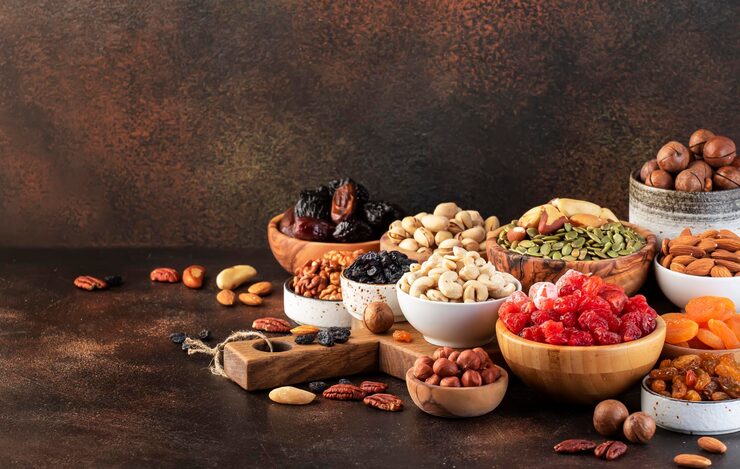
Dry fruits have been a cornerstone of traditional medicine and nutrition for centuries. Packed with essential vitamins, minerals, healthy fats, and antioxidants, they offer a concentrated source of nutrition in every small handful. But did you know that different dry fruits offer targeted benefits for specific health conditions?
Whether you are managing a cardiovascular condition, keeping your blood sugar in check, or working to strengthen your bones, the right dry fruits can make a significant difference. This comprehensive guide explores the best dry fruits for heart health, diabetes management, and bone strength — along with how to incorporate them into your daily diet.
Dry Fruits for Heart Health
Cardiovascular disease remains the leading cause of death globally. Diet plays a central role in either increasing or reducing heart disease risk. Dry fruits rich in unsaturated fats, omega-3 fatty acids, fiber, and antioxidants can actively support a healthy heart by lowering bad cholesterol (LDL), reducing inflammation, and improving blood vessel function.

1. Walnuts — The King of Heart-Healthy Nuts
Walnuts are one of the most heart-friendly dry fruits available. They are exceptionally rich in alpha-linolenic acid (ALA), a plant-based omega-3 fatty acid that reduces inflammation and lowers triglyceride levels. Studies consistently show that eating a handful of walnuts daily can reduce LDL (bad) cholesterol and total cholesterol levels, both of which are major risk factors for heart disease.
Key benefits for heart health:
- Lowers LDL cholesterol and increases HDL (good) cholesterol
- Reduces arterial inflammation, improving blood flow
- Rich in L-arginine, an amino acid that relaxes blood vessels
- Contains polyphenols that protect against oxidative stress
Recommended daily intake: 5–7 whole walnuts (approximately 28 grams)
2. Almonds — Cholesterol Controllers
Almonds are packed with monounsaturated fatty acids, vitamin E, magnesium, and fiber — all nutrients that contribute to cardiovascular wellness. Vitamin E acts as a powerful antioxidant, preventing oxidation of LDL cholesterol (oxidized LDL is particularly damaging to artery walls). Regular almond consumption has been linked to a notable reduction in overall heart disease risk.
Almonds also contain plant sterols that compete with cholesterol absorption in the gut. This mechanism directly helps reduce total blood cholesterol. Additionally, the magnesium in almonds helps regulate blood pressure — another key factor in heart health.
Recommended daily intake: 20–23 raw almonds (approximately 28 grams)
3. Pistachios — Blood Pressure Regulators
Pistachios offer a unique combination of potassium, antioxidants, and phytosterols. Potassium is essential for maintaining healthy blood pressure by counteracting the effects of sodium. Pistachios also contain lutein and zeaxanthin — antioxidants associated with reduced arterial plaque formation. Research suggests that two servings of pistachios per day can meaningfully lower systolic blood pressure.
Recommended daily intake: 1–2 oz (about 49 kernels)
4. Raisins — Nature’s Cardiac Tonic
Though higher in sugar than other dry fruits, raisins are a surprising ally for heart health when consumed in moderation. They are rich in potassium, which lowers blood pressure, and contain resveratrol — a polyphenol with well-documented cardioprotective effects. Raisins also supply soluble fiber that helps lower cholesterol levels.
Recommended daily intake: A small handful (about 40–50 grams)
Dry Fruits for Diabetes Management
People with diabetes or pre-diabetes are often advised to limit sugar-containing foods, which can create confusion around dry fruits. While some dry fruits are high in natural sugars and should be limited, many have a low glycemic index (GI) and are rich in fiber, healthy fats, and minerals that can actively support blood sugar management. The key is choosing the right ones in the right amounts.
1. Almonds — Blood Sugar Stabilizers
Almonds rank among the best dry fruits for people with diabetes. Their high content of monounsaturated fats, fiber, and magnesium works synergistically to improve insulin sensitivity. Magnesium deficiency is highly prevalent in people with type 2 diabetes, and replenishing it through almonds can enhance glucose metabolism. Eating almonds with meals has been shown to reduce post-meal blood sugar spikes significantly.
Their low glycemic index (GI of 0) means almonds cause virtually no rise in blood sugar, making them an ideal snack for diabetics looking to satisfy hunger without disrupting glucose levels.
2. Walnuts — Insulin Sensitivity Boosters
Walnuts are uniquely beneficial for people with diabetes due to their high alpha-linolenic acid and polyphenol content. These compounds reduce systemic inflammation — a key driver of insulin resistance. Clinical trials have shown that regular walnut consumption is associated with improved fasting blood glucose levels and better HbA1c (long-term blood sugar control) outcomes.
Furthermore, the protein and fiber in walnuts create a prolonged feeling of fullness, reducing overall caloric intake and helping diabetics manage their weight — a critical component of type 2 diabetes management.
3. Cashews — Moderation Is Key
Cashews have a relatively low glycemic index (25) and contain anacardic acids — compounds shown to improve insulin secretion and sensitivity. They are rich in zinc and magnesium, both of which play important roles in insulin production and blood glucose regulation. While cashews contain slightly more carbohydrates than other nuts, consuming them in small portions (about 15 cashews per day) is generally safe and beneficial for most diabetics.

4. Dried Apricots — Low-GI Fruit Option
Among dried fruits, apricots stand out with a moderate glycemic index of around 30–32. They are rich in dietary fiber, which slows the absorption of glucose into the bloodstream. Dried apricots also supply chromium — a trace mineral that enhances the action of insulin. They make a smart snack choice for people with diabetes when consumed in controlled portions.
Important Note: Dates, raisins, and figs are high in natural sugars and should be consumed with caution by people managing diabetes. Always consult your healthcare provider or dietitian for a personalized plan.
Dry Fruits for Bone Strength
Bone health is determined by a complex interplay of nutrients — calcium, phosphorus, magnesium, vitamin K, boron, and manganese all play crucial roles in bone density and structural integrity. While dairy products are often the first recommendation for bone health, dry fruits offer an impressive array of bone-supporting nutrients, making them an excellent plant-based option.
1. Dried Figs — Calcium Powerhouses
Dried figs are one of the best plant-based sources of calcium. Just five dried figs provide approximately 135 mg of calcium — about 14% of the recommended daily intake. They also supply phosphorus, another essential mineral for bone formation. Phosphorus works in tandem with calcium to build and maintain bone density throughout life.
Figs are also rich in vitamin K, which activates osteocalcin — a protein essential for incorporating calcium into bone tissue. People with low vitamin K intake have been found to have lower bone density and higher fracture risk, making figs a particularly strategic choice for bone health.
Recommended daily intake: 3–5 dried figs
2. Prunes (Dried Plums) — Bone Density Protectors
Prunes have emerged as one of the most researched dry fruits for bone health. Multiple clinical studies have demonstrated that consuming 100 grams of prunes daily can significantly increase bone mineral density, particularly in postmenopausal women who are at heightened risk for osteoporosis.
Prunes contain boron, vitamin K, and polyphenols that collectively suppress bone resorption (the breakdown of bone) while stimulating bone formation. Boron, in particular, is a trace mineral rarely discussed but critically important — it helps retain calcium and magnesium in bones and activates vitamin D. Prunes also supply potassium, which neutralizes bone-damaging acid loads in the body.
Recommended daily intake: 5–6 prunes (about 50–60 grams)
3. Almonds — Magnesium for Bone Structure
Almonds appear once more as a multifunctional dry fruit. For bones specifically, their magnesium content is the star nutrient. Approximately 60% of the body’s magnesium is stored in bones, where it provides structural support to the bone lattice. Magnesium is also required for the conversion of vitamin D into its active form, which in turn enables calcium absorption.
A single 28-gram serving of almonds provides about 76 mg of magnesium — roughly 20% of the daily requirement. This makes almonds an effective and easy-to-consume source of this often-overlooked bone mineral.
4. Brazil Nuts — Selenium and Manganese for Bone Health
Brazil nuts are the richest dietary source of selenium — a mineral that plays a protective role in bone by reducing oxidative stress that can damage bone cells. They also provide manganese, which is essential for the production of glycosaminoglycans — structural components of bone cartilage. Two to three Brazil nuts per day cover your entire selenium needs for the day.
Recommended daily intake: 2–3 Brazil nuts (do not exceed, as excess selenium can be harmful)
5. Dates — Calcium and Boron Combo
Dates contain a useful combination of calcium, boron, and magnesium, making them a traditional remedy for bone health in many cultures. While their sugar content is high, a moderate daily intake of 2–3 dates can contribute meaningfully to bone mineral density — particularly for older adults who may have inadequate nutrient intake from regular meals.
Related Article: The Ultimate Strategic Guide to Corporate Gifts in Chennai: Building Bridges in the Detroit of India (2026 Edition)
Practical Tips for Including Dry Fruits in Your Diet
Knowing which dry fruits to eat is only half the battle. Here are practical, evidence-informed ways to incorporate them:
- Soak overnight: Soaking almonds and walnuts for 8 hours improves nutrient absorption by reducing phytic acid content, which can otherwise block mineral uptake.
- Pair with meals: Add chopped walnuts or almonds to oatmeal, salads, or yogurt to slow glucose absorption and enhance satiety.
- Control portions: Dry fruits are calorie-dense. Stick to a single serving (about 28–30 grams or a small handful) to enjoy the benefits without caloric excess.
- Choose unsweetened: Always opt for unsweetened, unsalted dry fruits. Many commercially available versions are coated in sugar or salt, which offsets their health benefits.
- Store properly: Keep dry fruits in airtight containers away from sunlight to preserve their nutritional quality and prevent rancidity in fat-rich nuts.
- Mix and rotate: No single dry fruit offers everything. A rotating mix of walnuts, almonds, figs, prunes, and pistachios throughout the week maximizes nutrient diversity.
Conclusion
Dry fruits are far more than a convenient snack — they are a nutritional toolkit tailored to some of the most prevalent health challenges of our time. Walnuts and almonds emerge as standout performers for heart health and diabetes management alike, while prunes, figs, and almonds make a compelling trio for bone health. The beauty of these foods lies in their versatility: a thoughtful daily handful can work quietly in the background, supporting cardiovascular function, blood sugar balance, and skeletal strength simultaneously.
As with all dietary interventions, context matters. People with existing medical conditions should consult their physician or registered dietitian before making significant dietary changes. Dry fruits work best as part of a balanced, whole-food diet — not as a standalone cure. Combined with regular physical activity and appropriate medical care, incorporating the right dry fruits into your daily routine can be a simple yet powerful step toward lasting wellness.