
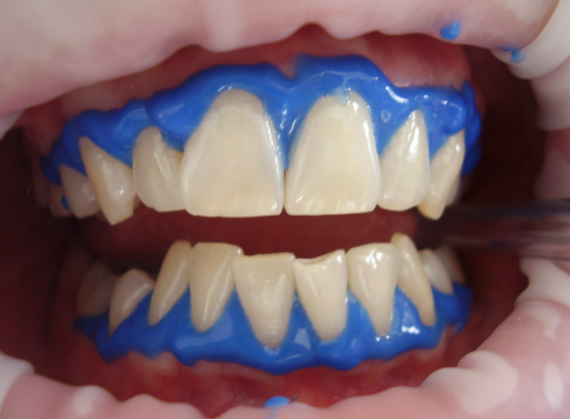
A bright, healthy smile can boost confidence and leave a lasting impression. Over time, however, teeth naturally become stained or discolored due to aging, dietary habits, tobacco use, and certain medications. While many over-the-counter products promise whiter teeth, professional dental whitening treatment offers a safer and more effective way to remove stubborn stains under the supervision of a dental professional. Understanding how whitening works, who is a good candidate, and how to maintain results can help you make informed decisions about your oral health. Professional whitening treatments are designed to brighten smiles while minimizing risks when performed after a proper dental evaluation.
What Causes Tooth Discoloration?
Tooth discoloration can occur for several reasons, and identifying the cause helps determine the most appropriate whitening approach.
Common causes include:
- Coffee and tea consumption
- Red wine and dark-colored beverages
- Tobacco use
- Aging
- Certain medications
- Poor oral hygiene
- Trauma to the teeth
Some stains affect only the surface of the enamel, while others develop deeper within the tooth, making professional treatment more effective than many over-the-counter options.
How Professional Teeth Whitening Works
Professional dental whitening treatment uses specially formulated whitening agents that safely break down stains on the tooth surface. Dentists first examine the teeth and gums to ensure whitening is appropriate before beginning treatment.
The process generally includes:
- Oral examination
- Professional cleaning if needed
- Protection of the gums
- Application of whitening gel
- Monitoring during treatment
- Post-treatment care instructions
Professional treatments often provide more noticeable and consistent results than many at-home alternatives because they use higher-strength whitening agents under clinical supervision.
Benefits of Professional Whitening
Professional whitening offers several advantages beyond simply improving appearance.
Some key benefits include:
- Noticeably brighter teeth
- Even whitening results
- Customized treatment
- Professional supervision
- Safe application techniques
- Reduced risk of improper product use
Because each patient’s oral health is different, personalized treatment plans help achieve more predictable outcomes.
Who Is a Good Candidate?
Not everyone is an ideal candidate for whitening treatment. A dental examination helps determine whether whitening will be effective based on the condition of the teeth and existing dental work.
Professional whitening may be suitable for individuals with:
- Healthy teeth and gums
- Surface staining
- Age-related discoloration
- Good oral hygiene habits
Patients with untreated cavities, gum disease, or certain types of restorations may require other dental treatments before whitening is recommended.
Maintaining Whiter Teeth
Proper aftercare helps preserve whitening results for a longer period.
Helpful habits include:
- Brush twice daily.
- Floss every day.
- Limit staining foods and beverages.
- Avoid tobacco products.
- Schedule regular dental checkups.
- Follow your dentist’s recommendations.
Many dentists also recommend avoiding strongly colored foods and drinks for the first 24 to 48 hours after whitening because teeth may be more susceptible to staining during that period.
Common Questions About Whitening
Many patients have questions before choosing a whitening procedure.
Some frequently asked questions include:
Is whitening safe?
When performed or supervised by a dental professional, whitening is generally considered safe for healthy teeth.
Will whitening cause sensitivity?
Some patients experience temporary tooth sensitivity, which usually subsides within a short period.
How long do results last?
Results vary depending on oral hygiene habits, diet, and lifestyle, but maintaining good dental care can help extend the effects.
Supporting Long-Term Oral Health
While cosmetic improvements are important, maintaining overall oral health should always remain the priority.
A healthy smile depends on:
- Routine dental examinations
- Teeth cleaning
- Professional cleanings
- Daily brushing and flossing
- Healthy dietary choices
- Early treatment of dental concerns
Combining preventive care with cosmetic treatments helps support both appearance and long-term dental health.
Conclusion
Choosing a professional dental whitening treatment is an effective way to improve the appearance of stained or discolored teeth while benefiting from expert supervision and personalized care. Regular Sandwich West Dental Center also plays an important role in maintaining a bright, healthy smile by removing plaque and surface stains while supporting overall oral health. Understanding the causes of discoloration, following proper aftercare, and maintaining good oral hygiene all contribute to longer-lasting results.