
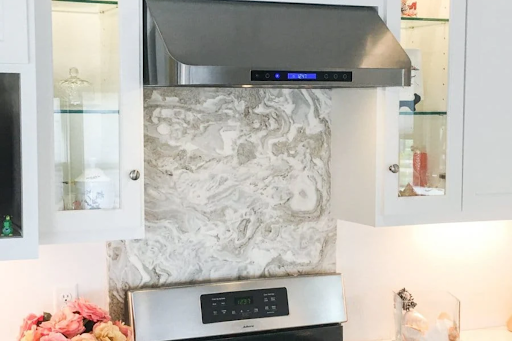
Kitchen ventilation plays a crucial role in maintaining air quality, especially in homes where cooking is frequent. An under-cabinet range hood recirculating system is one of the most practical solutions for kitchens that do not have external ducting options. Instead of pushing air outside, this system filters the air and releases it back into the kitchen after cleaning it.
In the middle of modern kitchen design, the under-cabinet range recirculating setup has become increasingly popular due to its flexibility, easy installation, and suitability for apartments and compact spaces. Understanding how it works helps homeowners make better decisions when choosing a ventilation system.
How a Recirculating Range Hood Works
A recirculating range hood functions by pulling in air from above the stove using a built-in fan. The air then passes through multiple filters before being released back into the kitchen.

Typically, the system includes:
- A grease filter that captures oil particles
- A charcoal filter that absorbs smoke and odors
- A fan that circulates purified air back into the room
Unlike ducted systems that expel air outside, an under-cabinet range hood recirculating model continuously cleans and reuses indoor air. This makes it ideal for homes where installing external ducts is not possible.
Benefits of Under-Cabinet Recirculating Systems
One of the main advantages of this type of ventilation is installation flexibility. Since there is no need for external ductwork, it can be installed in almost any kitchen layout.
Other benefits include:
- Suitable for apartments and rental homes
- Lower installation complexity compared to ducted systems
- Compact design that fits neatly under cabinets
- Improved air filtration for everyday cooking
Because of these advantages, the under-cabinet range hood recirculating system is often chosen in urban homes where space and structural limitations exist.
Limitations of Recirculating Vent Hoods for Stove Use
While effective for basic ventilation, recirculating systems do have limitations. They are generally less powerful than ducted hoods because air is not completely removed from the kitchen.
Some common drawbacks include:

- Reduced efficiency in removing heat and heavy smoke
- Regular filter replacement requirements
- Less effective for high-intensity cooking like frying or grilling
Research shows that ductless systems clean air through filtration rather than external venting, which makes them helpful but not as strong as full exhaust systems for heavy cooking environments .
Importance of Proper Filtration in Kitchen Ventilation
The effectiveness of a vent hood for stove depends heavily on its filtration system. In recirculating models, charcoal filters play a key role in removing odors, while grease filters help trap airborne particles produced during cooking.
When filters become clogged or worn out, airflow efficiency decreases significantly. That is why regular maintenance is essential to ensure consistent performance. Many modern systems are designed with easy-access filters to simplify cleaning and replacement.
Choosing the Right Under-Cabinet Vent Hood Setup
Selecting the right kitchen ventilation system depends on cooking habits, kitchen size, and installation feasibility. Under-cabinet models are especially useful in kitchens with fixed cabinetry or limited wall space.
Key factors to consider include:
- Airflow capacity (CFM rating)
- Filter type and replacement cycle
- Noise level during operation
- Size compatibility with stove width
An under-cabinet range hood recirculating system is often best suited for moderate cooking needs where heavy grease or smoke production is limited.
Role of Ventilation in Kitchen Air Quality
Proper ventilation is not just about removing smoke; it also helps control humidity, reduce grease buildup, and maintain overall kitchen hygiene. Without a functional vent hood for stove areas, airborne particles can settle on surfaces, leading to long-term cleaning challenges.
Even though recirculating systems do not expel air outside, they still contribute to improved indoor air quality when maintained correctly.
Conclusion
Kitchen ventilation systems come in different forms, and choosing the right one depends on space, structure, and cooking needs. The vent hood for stove remains an essential component of kitchen design, ensuring cleaner air, better hygiene, and a more comfortable cooking environment when selected and maintained properly. The under-cabinet range hood recirculating system provides a practical solution for homes that cannot support external ducting, making it a widely used option in modern kitchens.