Seeing Everyday Fashion Through a Creative Lens
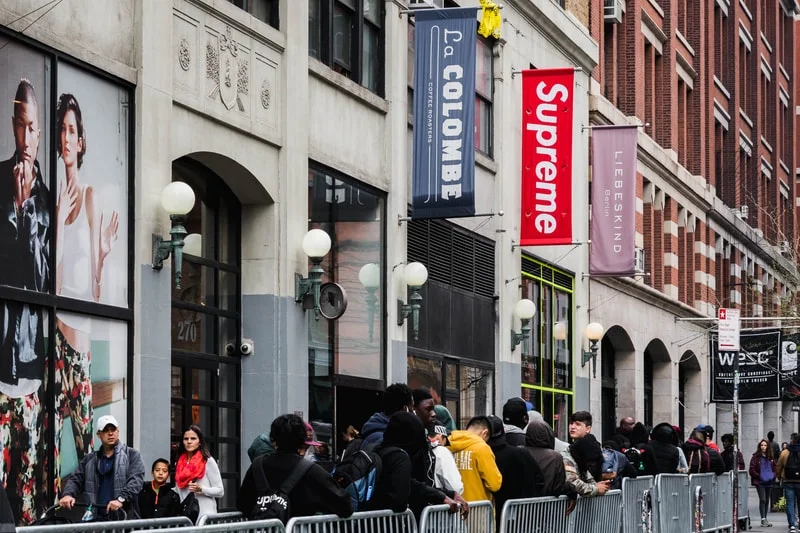
Urban photography captures the character of everyday life through architecture, light, movement, color, and human expression. These visual elements can also inspire the way people approach clothing. A quiet street, a busy marketplace, or a building with striking geometric details may suggest unexpected combinations of shades, textures, and silhouettes. Vale Dreams reflects a creative approach to casual fashion that allows personal expression to develop through observation and experimentation. Rather than relying entirely on fashion trends, you can use the world around you as a source of inspiration. Paying attention to ordinary visual details makes styling more interesting and encourages you to create outfits that feel connected to your personality.
Understanding the Visual Language of Streetwear
Streetwear often combines recognizable everyday garments with distinctive graphics, relaxed proportions, and carefully selected accessories. Like a photograph, an outfit has visual elements that work together to create an overall impression. Shape establishes structure, color attracts attention, and texture adds depth. Valley Dreams offers a useful starting point for exploring how these elements can come together in contemporary casual fashion. Consider the visual balance of an outfit before adding more pieces. A loose sweatshirt paired with straight-leg trousers creates a different impression from a fitted top combined with wide pants. Understanding these relationships helps you make intentional styling decisions while keeping your clothing comfortable and practical.
Finding Color Inspiration in City Environments
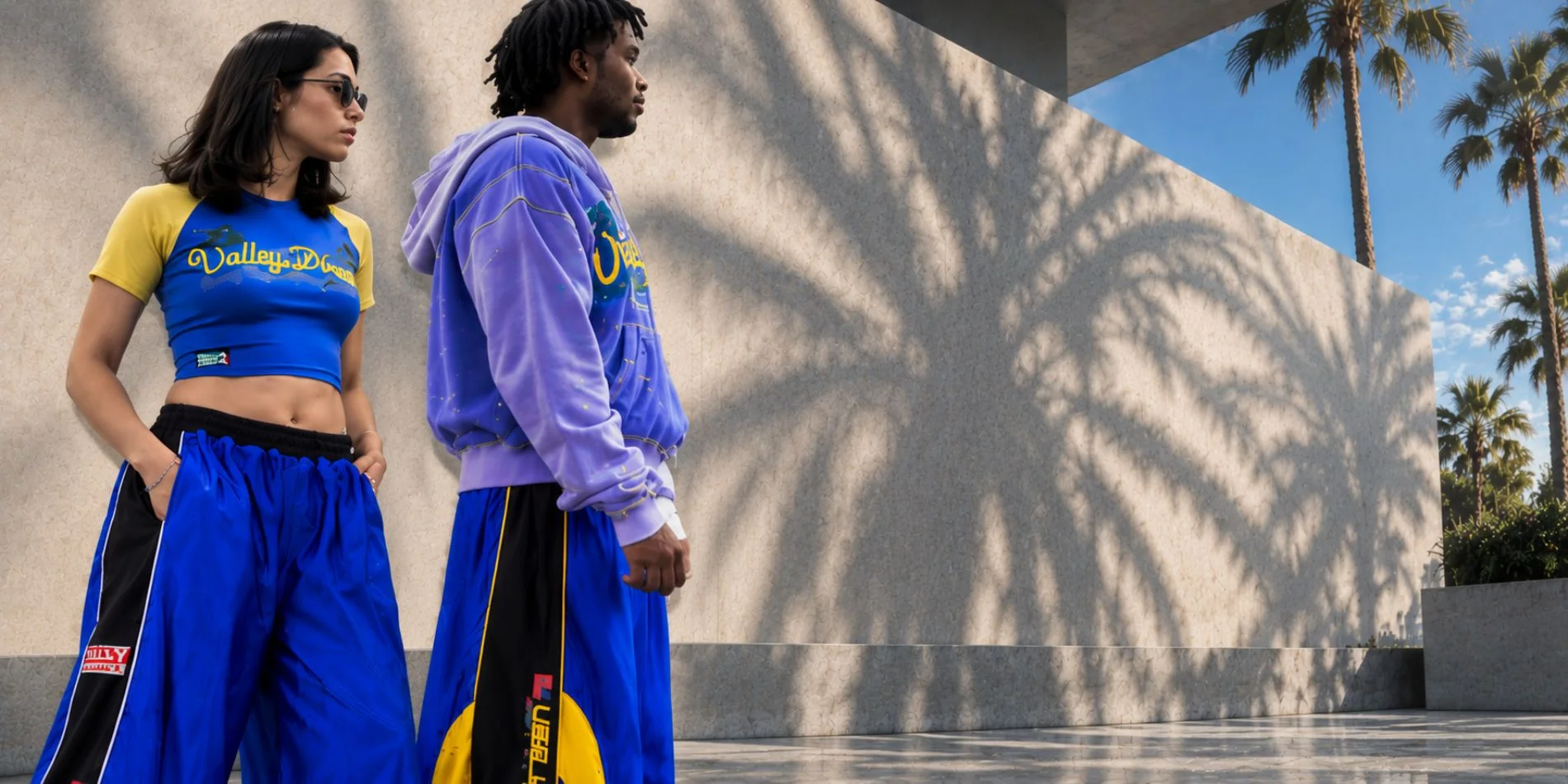
Cities contain a wide range of color combinations that can influence everyday outfits. Neutral concrete, dark metal, bright shop signs, painted walls, and changing natural light all create interesting visual contrasts. You can translate these observations into clothing without copying an entire scene. For example, gray and black can provide a subtle foundation, while a single vivid color introduces a noticeable accent. Valley Dreams Clothing can fit into this creative process when you select garments according to how their shades work with the rest of your wardrobe. Try building outfits around two main colors and introducing a third through footwear or an accessory. This method creates visual interest while keeping the overall combination coordinated.

Using Silhouettes to Create Stronger Outfits
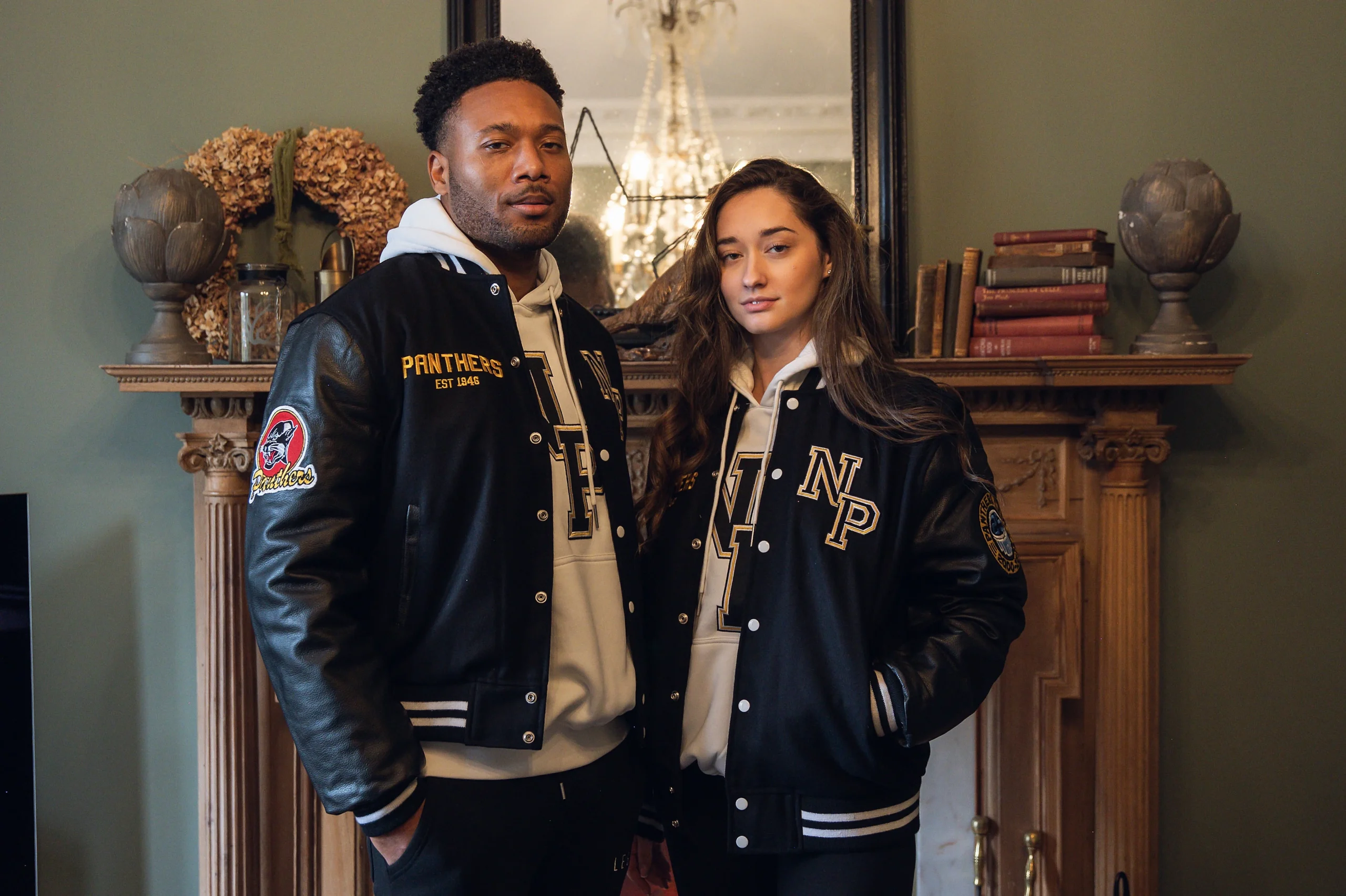
Photography often draws attention to the shape of objects and the relationship between foreground and background. A similar principle applies to streetwear silhouettes. Oversized shirts, relaxed trousers, cropped jackets, and structured outerwear create different proportions that influence how an outfit appears. Rather than choosing every garment in the same fit, experiment with contrasting shapes. A roomy top can work well with straight-leg jeans, while wide trousers may look balanced with a shorter jacket. Consider how garments sit at the shoulders, waist, and ankles, since these details affect the overall outline. Small adjustments to fit can make familiar clothing feel more distinctive without requiring additional purchases.
Capturing the Relaxed Appeal of Hoodie Styling
Hoodies work well within modern streetwear because they combine practical comfort with a recognizable silhouette. Their appearance can change considerably depending on the surrounding garments, footwear, and accessories. A Valley Dreams Hoodie can create a simple everyday outfit when paired with dark denim and understated sneakers. For a more layered look, wear it beneath an open jacket or combine it with cargo trousers and a cap. If the hoodie includes a prominent graphic, allow that design to remain the main visual feature by choosing simpler supporting pieces. Consider the garment’s weight and fit when selecting layers, particularly during changing weather. A well-balanced combination can look relaxed without appearing careless.
Making Graphic Shirts the Center of an Outfit
Graphic shirts offer a direct way to introduce visual storytelling into everyday clothing. Typography, illustrations, abstract patterns, and vintage-inspired artwork can each create a different mood. A Vale Dreams Shirt can be styled with neutral trousers to emphasize its design or combined with denim and sneakers for a familiar casual appearance. When selecting the rest of the outfit, notice the colors and shapes within the graphic. Repeating one shade in a cap or pair of shoes can create a subtle connection, while simple bottoms prevent the overall look from becoming too busy. This approach allows the shirt to express personality while keeping the outfit suitable for everyday activities.
Exploring Texture and Natural Light
The appearance of clothing changes according to its material and the light around it. Denim may reveal a distinctive surface, fleece creates a softer impression, and leather or coated fabrics can introduce a stronger visual contrast. Combining these materials can add depth even when an outfit uses a limited color palette. Think about the difference between a matte sweatshirt and a more structured jacket, or the way washed denim complements a smooth cotton shirt. You do not need to combine many textures at once. Two contrasting materials may provide enough variation to make an outfit more interesting. Paying attention to these details helps you create combinations that feel thoughtful without relying on elaborate graphics.
Choosing Accessories With a Photographer’s Eye
Accessories can function as small visual accents that guide attention through an outfit. A cap may add structure near the face, while a crossbody bag creates another shape across the body. A belt, watch, or simple chain can introduce contrast without changing the main clothing combination. Consider the size and placement of each accessory rather than selecting items independently. If your outfit already contains bold prints and contrasting colors, minimal accessories may create better balance. For a simpler combination, one distinctive piece can provide the finishing detail. Practical considerations remain important, too, particularly when choosing bags or footwear for a long day outside. The best accessories combine visual interest with everyday usefulness.
Creating Personal Inspiration Boards
Collecting visual references can help you recognize the styles and combinations that consistently attract your attention. Save photographs of interesting architecture, color palettes, clothing silhouettes, and material combinations. Over time, look for recurring themes rather than trying to reproduce each image exactly. You might notice a preference for muted colors, dramatic proportions, or simple outfits with one striking detail. Use those observations to guide your styling experiments and future purchases. An inspiration board can be digital or physical; what matters is that it helps you clarify your preferences. This process turns visual observation into a practical creative tool and makes it easier to develop a wardrobe with a recognizable direction.
Photographing and Reviewing Your Own Outfits
Taking photographs of your outfits can reveal details that are easy to overlook when looking in a mirror. You may notice that a jacket changes the proportions of a combination or that a particular color works better with certain trousers. Photographing several versions of the same basic outfit also makes it easier to compare different choices. There is no need to share these images publicly or follow a particular aesthetic. The purpose is simply to understand what works for you. Over time, this habit can help you identify dependable combinations, discover new uses for existing garments, and make more confident styling decisions. It also encourages experimentation without requiring constant shopping.

Developing a More Creative Everyday Wardrobe
Urban photography demonstrates that inspiration can come from ordinary surroundings when you learn to notice color, texture, shape, and contrast. These same elements can help you build streetwear outfits that feel individual and practical. Begin with clothing that suits your lifestyle, then experiment with proportions, graphic details, and carefully chosen accessories. Keep track of combinations you enjoy and adapt new ideas to your own preferences rather than copying trends without consideration. A strong personal style does not depend on owning the largest wardrobe. It develops through observation, thoughtful choices, and the confidence to experiment. By approaching everyday clothing with a creative eye, you can make familiar garments feel fresh and expressive.