
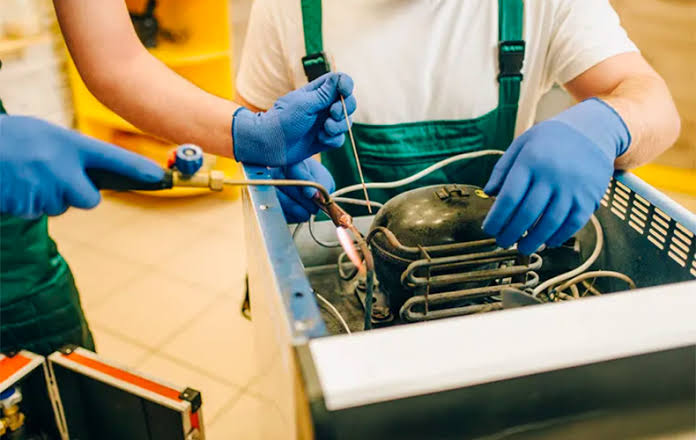
Most people only notice their appliances when something goes wrong. The fridge stops cooling properly, the washer won’t drain, or the oven takes forever to heat up. Suddenly an ordinary day turns frustrating. The first thought is often to replace the appliance, but that isn’t always necessary. A trained technician can repair many common faults, sometimes for far less than a new unit would cost.
If you’re searching for appliance repair St. Louis, it helps to know which appliances can be fixed, what kinds of problems are repairable and when replacement makes more sense. St. Louis Appliance Wholesalers can also be a useful resource when you’re comparing appliances and thinking about a replacement. The main thing is not to decide in a hurry before you know what has actually failed.
Can a Professional Technician Repair Refrigerators and Freezers?
Fridges and freezers are some of the most important appliances in a home. When one stops working, more than convenience is at stake. Food spoils, groceries have to be moved and nobody wants to throw out a full fridge.

Luckily, many fridge problems can be repaired. A technician may be able to fix a faulty thermostat, replace a damaged door seal, clear a blocked defrost drain or repair a failing fan. Ice maker and water dispenser faults can sometimes be solved by replacing a worn part or sorting out a water supply issue.
More serious cooling problems need a proper diagnosis, because the cause could be the compressor, the control board or the sealed refrigeration system. Not every fault is worth repairing, especially on an older unit. Before buying another fridge, get an estimate and compare it with replacement costs. An appliance outlet may have affordable alternatives if fixing the existing unit no longer makes financial sense.
Washing Machines and Dryers Often Have Repairable Problems
A washer that won’t spin, drain or finish a cycle lets the laundry pile up fast. Dryers bring their own headaches, from damp clothes to a drum that won’t turn. Often these machines can be repaired without replacing the whole thing.
A technician may find a worn belt, faulty drain pump, damaged door latch, defective water inlet valve or failed sensor. Dryers can also lose heat because of a bad heating element, thermostat or other internal part. Sometimes the cause is simpler, like a blocked dryer vent or an overloaded washer. A proper inspection separates a small problem from a serious failure.
When you look for appliance repair St. Louis services, describe the symptoms clearly, including odd noises, leaks, error codes or burning smells. That helps the technician narrow down the cause. Don’t keep running an appliance that’s leaking badly or smells of burning. Switch it off and arrange a professional inspection.
Ovens, Stoves and Cooktops Can Often Be Fixed
Cooking appliances get heavy use, especially in busy households. An oven might heat unevenly, a burner may not light or the temperature control might stop responding. None of that automatically means you need a new range.
A qualified technician can inspect heating elements, temperature sensors, ignition parts, switches and control boards, depending on the type of appliance. Electric and gas models need different repair methods, so use someone trained on your specific model.
Gas faults need particular care. If you smell gas, don’t touch electrical switches or try to troubleshoot the appliance yourself. Leave the area and call your gas utility or emergency service from a safe spot. For ordinary faults, a technician can tell you whether a replacement part is available and whether the repair is worth the cost. If the appliance is beyond saving, St. Louis Appliance Wholesalers is one place to look when comparing replacements that suit your kitchen and budget.
Dishwashers and Small Kitchen Appliances May Be Repairable Too
A dishwasher that leaves dishes dirty, won’t drain or leaks across the floor is more than a minor annoyance. It wastes water and makes a mess if the problem carries on. Common repair issues include clogged filters, faulty pumps, damaged door seals, broken spray arms and water inlet problems. Some faults come from food debris or loading mistakes, while others need new parts. A technician can check the machine and find out what’s actually wrong before recommending a fix.
Small kitchen appliances may be repairable too, depending on how they’re built and whether parts are available. Some countertop gadgets are cheap enough that replacing them is more practical, while others justify a repair.
Safety matters here. Damaged power cords, exposed wiring or an appliance that keeps tripping a breaker should never be ignored. Whatever the appliance, getting a clear diagnosis is a sensible first step.
Why Home Appliance Replacement Parts Matter
A successful repair often comes down to using the right part. Home appliance replacement parts include belts, pumps, thermostats, door seals, heating elements, switches, motors and electronic control boards. The correct one depends on the appliance’s brand, model number and sometimes its production revision. Two machines that look nearly identical can use different components, so buying by appearance is risky.
A professional can identify the failed part and tell you whether a suitable replacement is available. Genuine manufacturer parts may be the right choice in some cases, while compatible alternatives can be a practical option in others. Quality and fit still matter. A cheap part that fails again after a short time is no bargain.
Before ordering anything, check the appliance’s model information and confirm the part specification. If the part is discontinued or too expensive, it may be time to compare the cost of repair with the price of a replacement.

When Should You Repair an Appliance Instead of Replacing It?
This is the question most homeowners really want answered, and no single rule fits every appliance. A fairly new fridge with a faulty fan is probably worth repairing. An old machine with several failing parts can turn into a steady drain on your wallet.
Think about the appliance’s age, overall condition, the repair estimate, how long it should last and whether parts are available. Consider running costs too. An older appliance that uses much more electricity or water may cost more to operate over time. On the other hand, replacing a machine because one cheap part has failed is a waste of money.
Get the diagnosis first, then compare the figures. Discount appliance stores and an appliance outlet stores can help you explore alternatives if replacement looks like the better choice, and a discount appliance warehouse may carry different models or clearance units, depending on stock. Compare final price, condition, warranty and delivery costs instead of the sticker price alone.
Finding Appliance Repair St. Louis Help You Can Trust
Choosing a technician shouldn’t be a gamble. Look for someone with experience on your type of appliance, and ask whether they can diagnose the problem before recommending expensive parts. A reliable professional explains the likely fault, gives an estimate where possible and tells you if the repair may not be worthwhile.
Ask whether diagnostic fees are charged separately and whether the repair comes with a warranty. It’s also fair to ask if they have the parts or will need to order them.
When searching for appliance repair St. Louis services, give the make and model and describe what the appliance is doing. A machine that won’t start is a different problem from one that starts and stops halfway through a cycle. St. Louis Appliance Wholesalers is worth a look when you’re comparing purchasing options, especially if the diagnosis points toward replacement. Keeping repair and replacement costs in perspective helps you decide.
Simple Maintenance Can Prevent Some Breakdowns
Not every failure can be avoided, but regular care cuts the chances of some problems. Clean the fridge coils as the manufacturer advises, check the door seals and don’t block air vents inside. In the washer, use the recommended detergent and don’t overload the drum. Clean the filters and check the hoses for wear.
Dryers need special attention because lint buildup restricts airflow and raises the fire risk. Clean the lint filter after every load and have the vent system checked and cleaned when needed. Dishwashers also benefit from regular filter cleaning and clearing food debris from the spray arms. For ovens and cooktops, follow the manufacturer’s cleaning guidance rather than using products that could damage surfaces or components.
Maintenance won’t fix everything. Parts wear out and electronics fail. Still, a little attention helps appliances run more reliably and can catch small issues before they become expensive repairs.
Conclusion: Get the Problem Diagnosed Before Spending More
Professional technicians can repair many household appliances, including fridges, freezers, washers, dryers, ovens, stoves, dishwashers and some smaller kitchen appliances. The right answer depends on what has failed, the condition of the appliance and what it costs to get it working again. Sometimes a single part does the job. Other times, continued repairs just don’t make sense.
If you need appliance repair St. Louis help, start with a clear diagnosis and ask for an honest explanation of your options. Check the cost of home appliance replacement parts, think about the appliance’s age and compare the repair estimate with the price of a new unit. If replacement is the sensible move, St. Louis Appliance Wholesalers is one option to consider while you research affordable appliances. Don’t rush into either decision. A little research now can save money, cut the frustration and help you choose what’s best for your home.
Frequently Asked Questions
What appliances can a professional repair technician fix?
Technicians commonly repair fridges, freezers, washers, dryers, ovens, stoves, cooktops and dishwashers. What’s available depends on the technician’s training, the appliance model and whether parts can be sourced.
Is appliance repair in St. Louis cheaper than replacing an appliance?
Often, yes, especially when the appliance is in good shape and the fault comes down to one replaceable part. Major failures or repeated repairs can tip the balance toward replacement, so compare the full repair estimate with the cost of a suitable new appliance.
Where can I find home appliance replacement parts?
Try appliance parts suppliers, authorized service providers and manufacturer parts departments. Always verify the model number and part compatibility before ordering.
Are discount appliance stores a good option when repairs are too expensive?
They can be. Discount appliance stores and appliance outlets offer alternatives when you’re replacing a damaged or aging unit. Compare condition, features, warranty, delivery charges and total price before you buy.
Can a discount appliance warehouse help me save money?
It may carry clearance models, discounted stock or appliances with cosmetic flaws. Availability varies, so ask about the condition of the specific unit and check the warranty and return terms before buying.
When should I stop using a damaged appliance?
Stop if it gives off a burning smell or smoke, keeps tripping the breaker, leaks near electrical parts or shows other signs of a serious safety problem. Disconnect the power only when it’s safe to do so, and contact a qualified professional. If you smell gas, leave the area and call the gas or emergency service.