
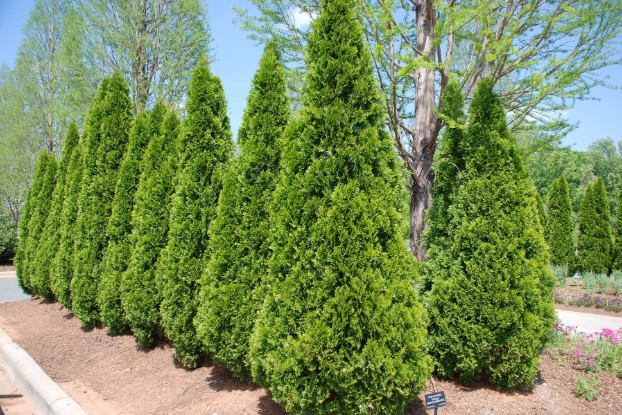
Creating a peaceful and secluded outdoor environment has become increasingly important for homeowners seeking comfort and privacy. Natural landscaping solutions are often preferred over fences because they improve visual appeal while providing shade and environmental benefits. Privacy trees are widely used to reduce outside noise, block unwanted views, and create attractive property boundaries. With many tree varieties available, choosing the right option depends on climate conditions, maintenance needs, and desired growth speed. Understanding how different privacy trees function can help homeowners design outdoor spaces that remain beautiful, functional, and naturally protected throughout the year.
Why Privacy Trees are Popular?
Many homeowners prefer natural barriers because they blend more effectively into outdoor landscapes compared to artificial fencing. Trees provide visual privacy while also improving air quality and increasing shade around residential areas. Some fast-growing varieties can establish dense coverage within only a few years. Properly placed greenery also contributes to a more relaxing and environmentally friendly outdoor atmosphere.
Factors to Consider Before Planting
Selecting the right tree requires understanding local climate, soil conditions, and available planting space. Some trees grow tall and narrow, while others spread widely over time. Homeowners should also consider maintenance requirements such as pruning, watering, and seasonal leaf shedding. Choosing suitable privacy trees based on long-term growth expectations helps prevent overcrowding and supports healthier landscaping outcomes.

Fast-Growing Trees for Quick Coverage
Fast-growing species are commonly selected when immediate privacy is needed. Certain evergreen varieties can develop dense foliage rapidly and maintain coverage throughout the year. These trees are particularly useful near roads, neighboring properties, or busy outdoor areas. Fast-growing options often require regular trimming to maintain shape and prevent excessive spreading as they mature.
Evergreen Trees for Year-Round Privacy
Evergreen trees remain one of the most popular choices because they keep their foliage throughout all seasons. Unlike deciduous trees, evergreens continue providing privacy during the winter months when other trees lose leaves. Many homeowners choose evergreen varieties for consistent screening and lower seasonal maintenance. These trees are also valued for their ability to create structured and visually balanced landscapes.

Environmental Benefits of Natural Barriers
Natural privacy barriers contribute positively to the environment in several ways. Trees absorb carbon dioxide, reduce dust, and support local wildlife habitats. Dense greenery can also reduce noise pollution from nearby traffic or urban activity. Well-maintained privacy trees improve overall outdoor comfort while helping create cooler and healthier residential environments for homeowners and surrounding communities.
Maintenance Tips for Healthy Growth
Proper maintenance is essential for keeping privacy trees healthy and visually appealing. Regular watering, mulching, and seasonal pruning help support strong root development and dense foliage growth. Monitoring for pests or diseases is also important, particularly during changing weather conditions. Healthy maintenance practices extend tree lifespan and preserve their effectiveness as natural outdoor barriers over time.
Choosing Trees for Different Landscapes
Different landscape styles often require different tree types and planting arrangements. Urban spaces may benefit from narrow vertical trees, while larger properties can support wider-growing species. Homeowners should evaluate sunlight exposure, drainage, and spacing before planting. Selecting suitable privacy trees based on property size and design preferences improves both appearance and long-term functionality within outdoor environments.
Conclusion
Privacy landscaping continues to grow in popularity as homeowners seek natural ways to improve outdoor comfort and property aesthetics. Trees offer a practical combination of privacy, environmental value, and visual beauty for residential spaces. Careful selection and proper maintenance help ensure long-lasting performance and healthier landscapes. Many homeowners exploring natural screening options also consider varieties such as Indian laurel fig because of their dense foliage and suitability for creating attractive outdoor privacy barriers.