
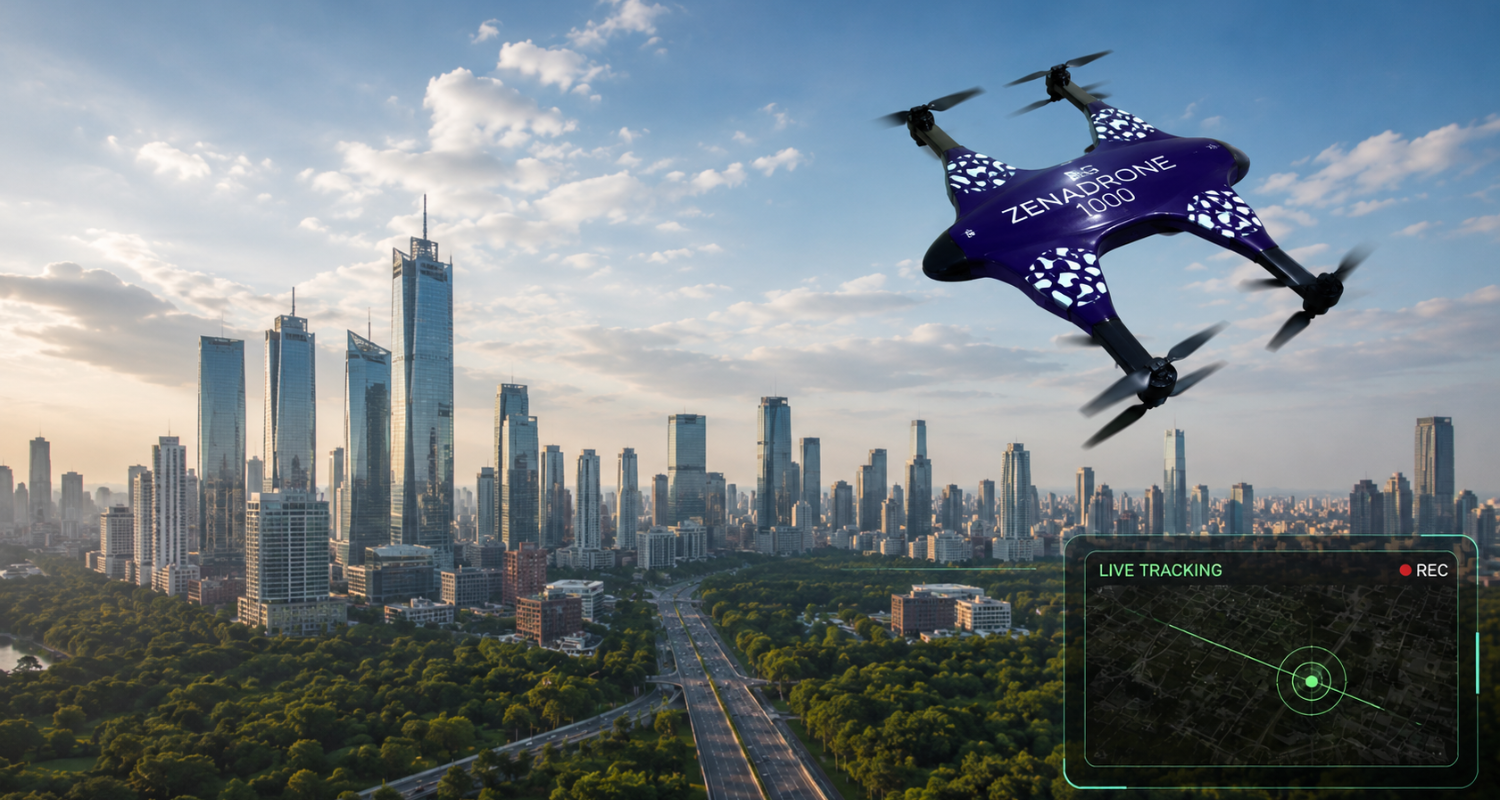
In recent years, drone technology has evolved far beyond simple remote-controlled flying devices. Today, advanced drones are capable of intelligent navigation, automated tracking, obstacle avoidance, and real-time data collection. One of the most exciting innovations in this field is the Autonomous Tracking Drone, a smart aerial system designed to follow and monitor a target without constant manual control.
Whether you’re an outdoor enthusiast, content creator, security professional, or business owner, autonomous tracking drones are transforming the way people capture footage, conduct surveillance, and improve operational efficiency.
What Is an Autonomous Tracking Drone?
An autonomous tracking drone is an unmanned aerial vehicle (UAV) equipped with advanced sensors, GPS technology, artificial intelligence, and computer vision systems that enable it to automatically follow a designated person, vehicle, or object. Unlike traditional drones that require continuous pilot input, these intelligent systems can independently track movement and adjust their flight path in real time.

Modern autonomous tracking drones utilize technologies such as:
- GPS and GNSS positioning
- AI-powered object recognition
- Machine learning algorithms
- Computer vision tracking
- Obstacle detection and avoidance
- Real-time data transmission
These technologies work together to create a seamless and highly efficient tracking experience.
How Autonomous Tracking Drones Work
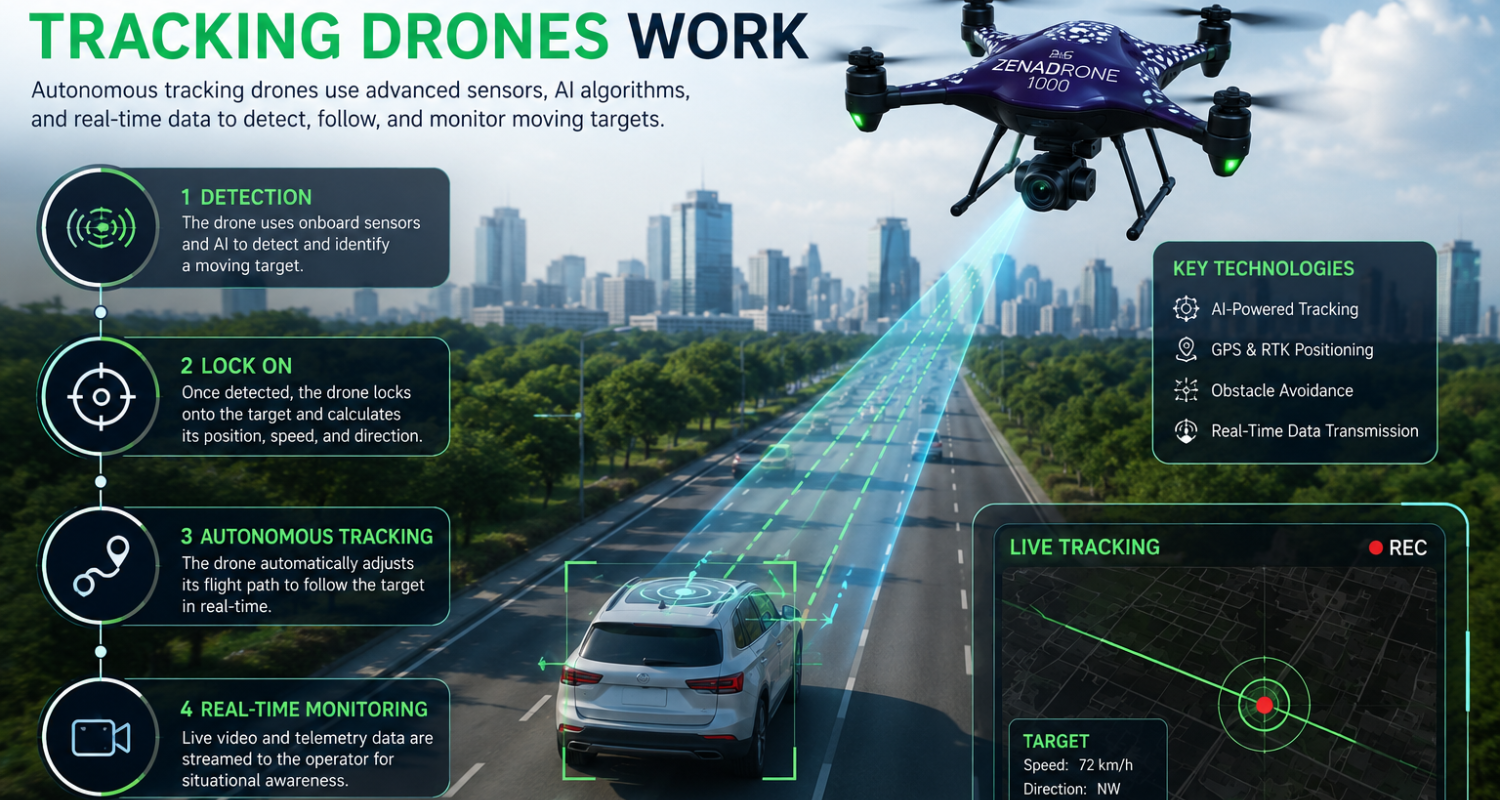
The operation of an autonomous tracking drone relies on sophisticated software and hardware integration. The drone identifies a target through visual recognition, GPS coordinates, or wearable tracking devices. Once the target is locked, the drone continuously analyzes movement patterns and automatically adjusts its position.
The process typically includes:
Target Identification
The drone identifies the subject using cameras, GPS signals, or AI-powered image recognition.
Real-Time Tracking
Advanced algorithms monitor the target’s movement and predict direction changes for smoother flight performance.
Obstacle Avoidance
Built-in sensors detect trees, buildings, vehicles, and other obstacles, allowing the drone to navigate safely.
Dynamic Flight Adjustment
The drone automatically modifies altitude, speed, and direction to maintain optimal positioning.
This autonomous functionality significantly reduces the need for manual piloting while improving tracking accuracy.
Benefits of Autonomous Tracking Drones
Enhanced User Convenience
One of the biggest advantages of autonomous tracking drones is hands-free operation. Users can focus on their activities while the drone captures footage or monitors movement automatically.
Professional-Quality Content Creation
Content creators, vloggers, athletes, and filmmakers can benefit from cinematic aerial footage without requiring a dedicated drone operator.
Improved Safety and Surveillance
Security teams and law enforcement agencies can deploy autonomous tracking drones to monitor large areas, follow suspects, or track vehicles efficiently.
Increased Operational Efficiency
Businesses can automate inspections, monitoring tasks, and asset tracking while reducing labor costs and human error.
Real-Time Data Collection
Many autonomous tracking drones provide live video feeds, mapping data, and analytics that support informed decision-making.
Applications Across Industries
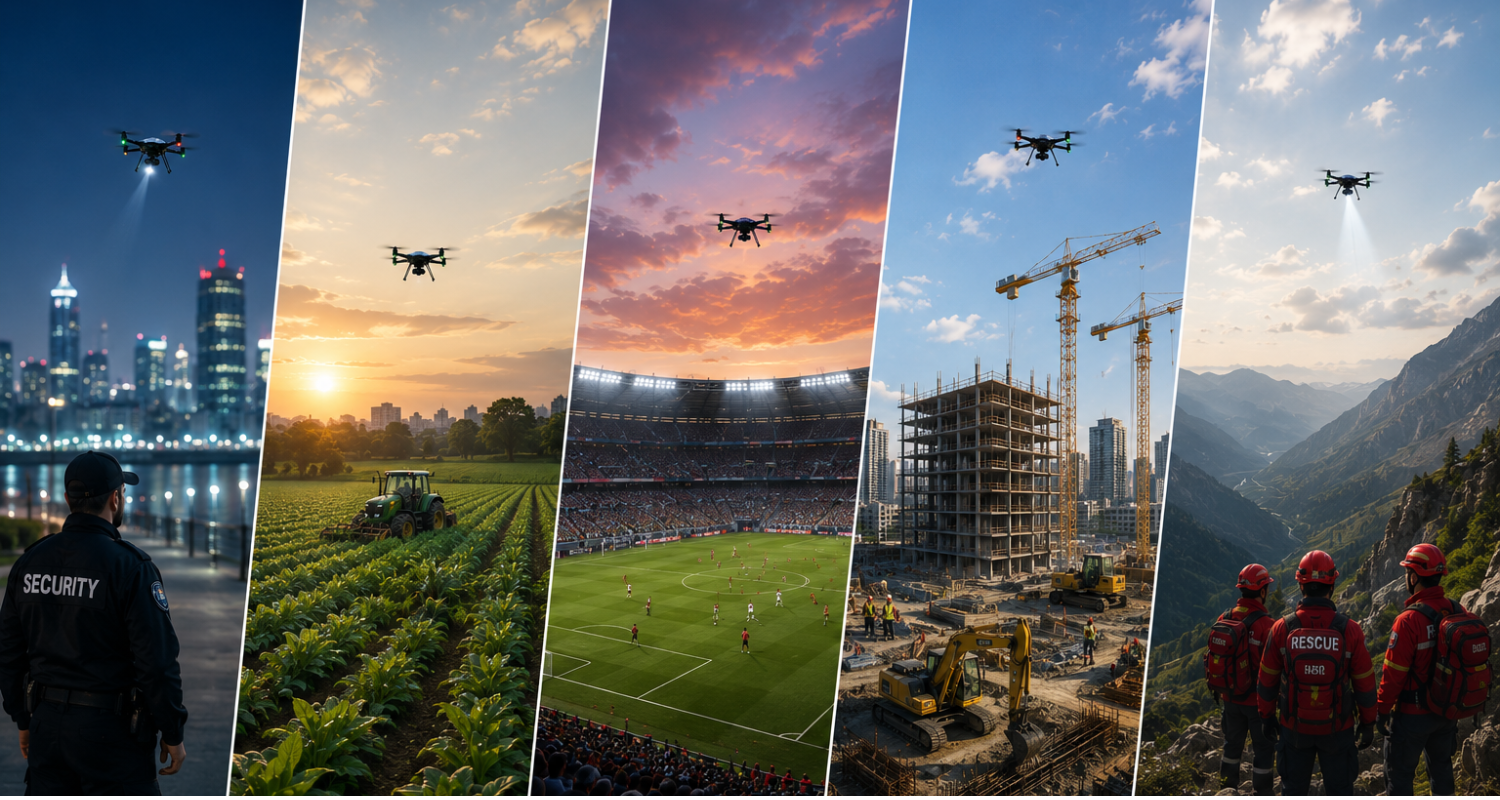
The versatility of autonomous tracking drones has led to widespread adoption across multiple sectors.
Security and Public Safety
Security professionals use drones for perimeter monitoring, crowd management, and emergency response. Autonomous tracking capabilities allow continuous observation of persons or vehicles of interest.
Agriculture
Farmers utilize tracking drones to monitor livestock, inspect fields, and collect crop health data. Automated flight paths improve efficiency while reducing manual workload.
Sports and Recreation
Athletes and outdoor adventurers use autonomous drones to capture action footage during cycling, skiing, hiking, surfing, and other activities.
Construction and Infrastructure
Construction companies deploy drones for site monitoring, equipment tracking, and project documentation. Autonomous systems help provide accurate progress reports and improve safety compliance.
Search and Rescue Operations
Emergency responders can quickly locate missing persons or monitor disaster zones using intelligent tracking technology.
The Role of Artificial Intelligence in Autonomous Tracking
Artificial intelligence plays a crucial role in the effectiveness of autonomous tracking drones. AI systems enable drones to distinguish between different objects, recognize patterns, and make real-time flight decisions.
Key AI capabilities include:
- Facial recognition
- Object classification
- Motion prediction
- Route optimization
- Behavioral analysis
As Autonomous Tracking Drone technology continues to advance, autonomous tracking drones are becoming more accurate, reliable, and adaptable to complex environments.
Features to Look for in an Autonomous Tracking Drone
When selecting an autonomous tracking drone, several important features should be considered.
Advanced Tracking Modes
Look for drones that offer multiple tracking options such as Follow Me, Active Track, and GPS Lock modes.
Obstacle Avoidance Systems
Comprehensive obstacle detection helps prevent collisions and improves flight safety.
High-Resolution Cameras
Professional-grade cameras provide clearer images and videos for both recreational and commercial use.
Extended Flight Time
Longer battery life enables extended missions without frequent interruptions.
Real-Time Connectivity
Reliable communication systems ensure smooth data transmission and remote monitoring capabilities.
Weather Resistance
Durable construction and weather-resistant features allow operation in various environmental conditions.
Why Businesses Are Investing in Autonomous Tracking Drone Technology
Organizations across industries are increasingly investing in autonomous tracking drones due to their ability to streamline operations and reduce costs. From monitoring assets and enhancing security to improving data collection and situational awareness, these intelligent aerial systems deliver significant value.
Businesses can benefit from:
- Reduced operational expenses
- Improved workforce productivity
- Enhanced security monitoring
- Faster inspection processes
- Better decision-making through real-time intelligence
As technology continues to evolve, autonomous tracking drones are expected to become a core component of modern business operations.
The Future of Autonomous Tracking Drones
The future of drone technology is centered around autonomy, intelligence, and connectivity. Emerging innovations such as 5G communications, edge computing, advanced AI models, and enhanced sensor technology will further improve the capabilities of autonomous tracking drones.
Future developments may include:
- Fully autonomous mission planning
- Swarm drone coordination
- Enhanced predictive tracking
- Improved battery efficiency
- Advanced environmental awareness
- Integration with smart city infrastructure
These advancements will unlock new opportunities for commercial, industrial, and public-sector applications.
Discover Advanced Drone Technology
As the demand for intelligent aerial solutions continues to grow, autonomous tracking drones are becoming an essential tool for businesses, security teams, and technology enthusiasts alike. Their ability to follow targets automatically, collect valuable data, and operate with minimal human intervention makes them one of the most impactful innovations in the drone industry.
If you’re interested in learning more about cutting-edge Autonomous Tracking Drone technology and how intelligent drones are shaping the future of aerial operations, explore the latest advancements at https://www.zenadrone.com/drone-that-follows-you/ and discover how smart tracking solutions are revolutionizing the UAV landscape.