
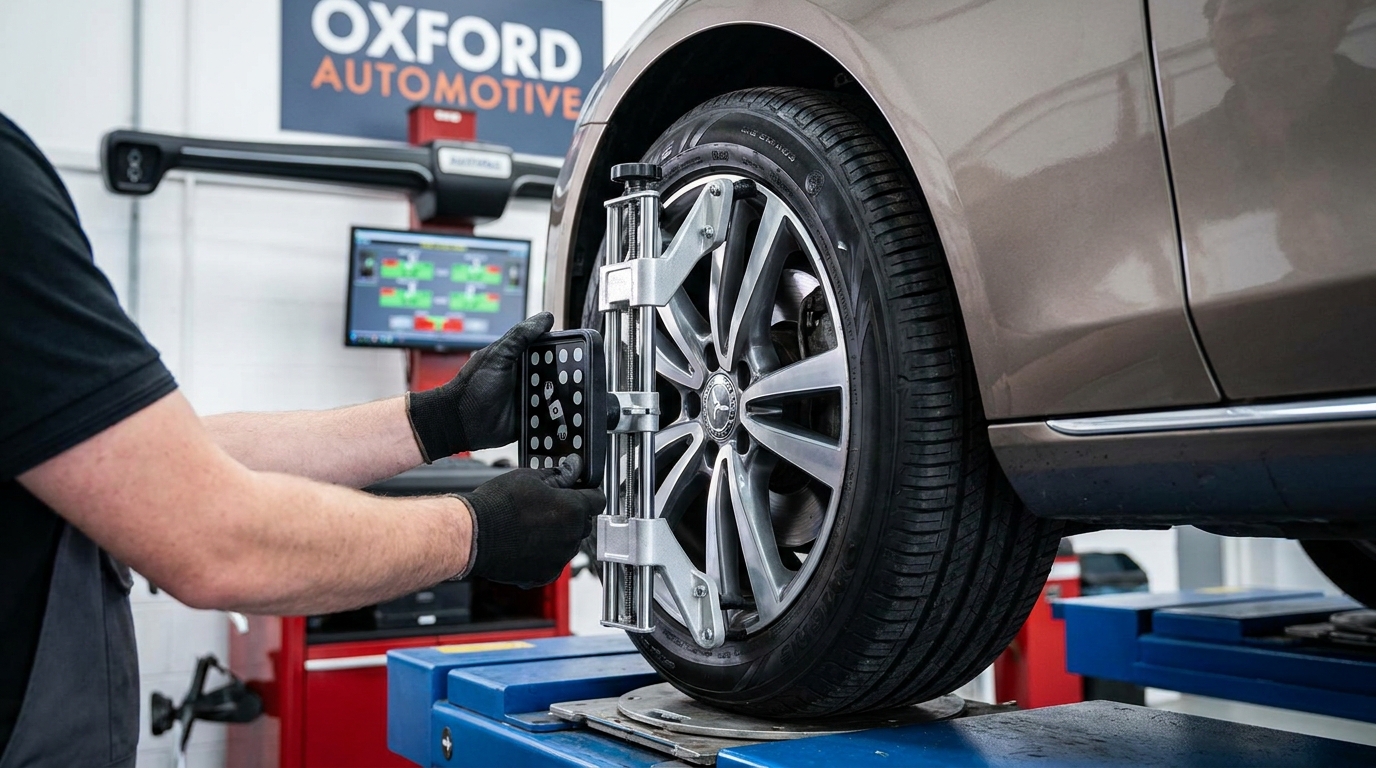
Tire alignment is an important part of vehicle maintenance, but it is often overlooked until a car starts pulling to one side or the tires begin wearing unevenly. Proper tire alignment helps keep the wheels positioned correctly according to the vehicle manufacturer’s specifications. When the wheels are aligned properly, the tires maintain better contact with the road, steering becomes more predictable, and the vehicle can respond more effectively to changes in direction.
Fairmount Tire offers professional Tire Services to help keep your vehicle safe and road-ready. From tire installation and rotation to balancing and alignment, their experienced team provides reliable solutions for everyday driving needs.
Many drivers think of alignment mainly as a way to protect their tires, but its role goes beyond tire life. Incorrect alignment can affect steering control, handling, braking stability, and overall driving comfort. Whether you drive mainly in the city, travel on highways, or regularly deal with rough roads, maintaining correct alignment can contribute to safer and more controlled driving.

What Is Tire Alignment?
Tire alignment, commonly called wheel alignment, involves adjusting the angles of the wheels so they sit correctly in relation to the road and the vehicle. Alignment generally involves three main measurements: camber, caster, and toe. These angles influence how the tires contact the road and how the vehicle behaves when steering, accelerating, and braking.
When alignment is correct, the tires are positioned to work together as intended. When one or more wheels move outside the recommended specifications, the vehicle may develop handling problems. Alignment can be affected by potholes, curbs, road impacts, worn suspension components, or normal wear over time.
Better Steering Control
One of the most noticeable benefits of proper tire alignment is improved steering control. A vehicle with incorrect alignment may pull toward the left or right, requiring the driver to constantly correct the steering wheel. This can become particularly problematic when driving at higher speeds or on busy roads.
With properly aligned wheels, the vehicle is more likely to track straight when the steering wheel is centered. This gives the driver better control and makes steering movements more predictable. Instead of constantly compensating for the vehicle’s tendency to drift, the driver can concentrate on traffic, road conditions, and other vehicles.
Improved Vehicle Stability
Vehicle stability is especially important when driving on highways or navigating curves. Misaligned wheels can change the way a vehicle responds to steering inputs. In some cases, the car may feel less stable or require more steering correction than usual.
Proper alignment helps the tires maintain their intended position on the road. This supports more consistent handling when changing lanes, taking corners, or driving through uneven sections of road. While alignment cannot prevent every handling problem, keeping the wheels within the recommended specifications helps the vehicle perform as designed.
More Consistent Tire Contact With the Road
Tires are designed to provide a specific contact area with the road surface. Alignment problems can change how that contact area is distributed. For example, incorrect camber may cause one side of the tire tread to carry more load than the other.
Uneven tire contact can reduce the consistency of grip and accelerate tread wear. Maintaining proper alignment helps the tires sit correctly against the road, allowing the tread to perform more evenly. This becomes particularly important when road conditions are less than ideal.
Better Braking Stability
Braking is one of the most important situations where vehicle stability matters. When you apply the brakes, the vehicle needs to remain predictable while slowing down. Alignment problems can contribute to uneven handling and may make the vehicle feel less stable during braking.
Proper alignment supports balanced tire positioning and predictable steering response. It does not replace properly functioning brakes, tires, suspension, or other safety systems, but it is an important part of maintaining the vehicle’s overall handling characteristics.
Fairmount Tire also offers Precision Tire Alignments to improve handling, steering response, and tire wear. Their alignment service helps ensure your wheels are positioned correctly, supporting smoother driving, better road control, and longer-lasting tire performance.

Reduced Risk of Uneven Tire Wear
Uneven tire wear is one of the most common signs of an alignment problem. If the wheels are not positioned correctly, certain areas of the tire tread may experience greater pressure and friction. Over time, this can create patterns such as inner-edge or outer-edge wear.
A tire with uneven tread wear may not perform as effectively as a tire that is wearing evenly. Excessive wear can also shorten the usable life of the tire, requiring replacement sooner than expected. Keeping the wheels properly aligned helps distribute wear more evenly and allows drivers to get better use from their tires.
Better Handling in Emergency Situations
Unexpected situations can happen at any time on the road. A vehicle may need to avoid an obstacle, make a quick lane change, or respond to sudden traffic movement. During these moments, predictable steering and handling are particularly important.
Proper tire alignment helps the vehicle respond consistently to steering inputs. If the car already tends to pull in one direction or feels unstable because of alignment issues, sudden maneuvers can become more difficult to manage. Regular alignment checks can therefore be part of a broader approach to maintaining predictable vehicle handling.
Why Potholes Can Affect Alignment
Potholes and rough roads are among the common causes of wheel alignment problems. A strong impact can alter wheel angles or damage suspension and steering components. Even if there is no obvious damage after hitting a pothole, the vehicle may develop alignment issues.
Drivers who frequently travel on poorly maintained roads should pay attention to changes in steering behavior after significant impacts. A steering wheel that is suddenly off-center, a vehicle that pulls to one side, or unusual tire wear can indicate that an alignment inspection may be necessary.
Signs Your Vehicle May Need Alignment
Knowing the warning signs can help drivers address alignment problems before they become more serious. One common sign is a vehicle that consistently pulls to one side when driving on a reasonably level road. Another is a steering wheel that remains off-center while the vehicle is traveling straight.
Uneven or unusually rapid tire wear can also indicate a problem. Some drivers may notice that the vehicle feels different while cornering or that the steering does not return to its normal position as expected. Vibrations can have several possible causes, so they should not automatically be blamed on alignment. A professional inspection can help identify the actual source of the problem.
Tire Alignment and Regular Vehicle Maintenance
Wheel alignment should be considered alongside other important maintenance tasks such as tire pressure checks, tire rotation, brake inspections, and suspension inspections. These systems work together to influence how a vehicle behaves on the road.
There is no single alignment interval that applies to every vehicle because driving conditions, manufacturer recommendations, road quality, and vehicle condition can vary. Checking the manufacturer’s maintenance guidance is a good starting point. An alignment inspection may also be appropriate after hitting a major pothole or curb, replacing certain suspension components, or noticing changes in steering and tire wear.
Proper Alignment Can Support Safer Everyday Driving
For everyday drivers, safety often depends on several small maintenance decisions rather than one major repair. Keeping tires properly inflated, replacing worn tires, maintaining brakes, and checking alignment when necessary all contribute to predictable vehicle performance.
Proper tire alignment helps the vehicle maintain accurate steering response, consistent handling, and more even tire contact with the road. These benefits can make normal driving more controlled and can become especially valuable during highway travel, cornering, braking, and unexpected road situations.
Conclusion
Proper tire alignment is about more than preventing premature tire wear. It plays an important role in maintaining predictable steering, stable handling, consistent tire contact, and controlled vehicle behavior. When wheels are misaligned, drivers may notice pulling, an off-center steering wheel, uneven tire wear, or changes in handling.
Regular maintenance and timely inspections can help identify alignment problems before they lead to greater tire or suspension issues. If your vehicle has recently experienced a strong impact, shows unusual tire wear, or no longer feels as stable and straight as it normally does, having the alignment checked by a qualified professional is a sensible step. Keeping your wheels correctly aligned helps your tires and vehicle work as intended, supporting safer and more confident driving on everyday roads.