
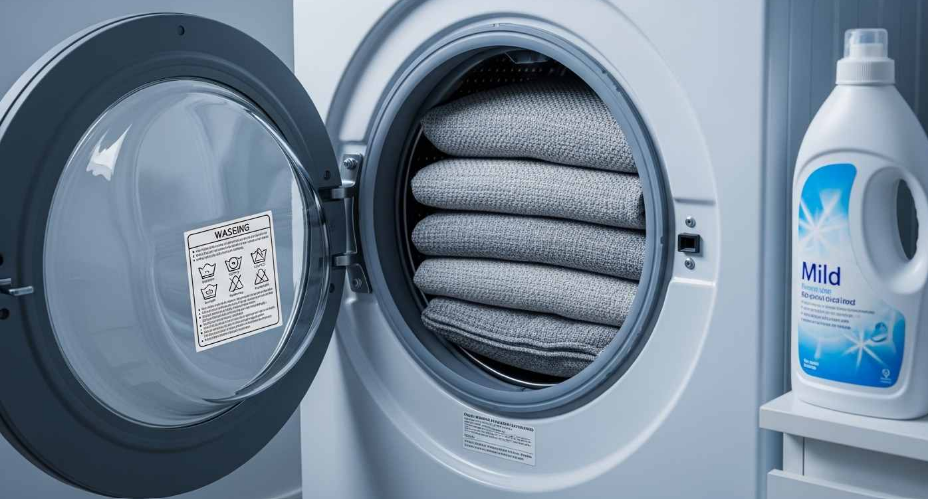
Drawing rooms usually stay neat. At least that’s what we think. But if you look closely, the sofa fabric collects dust quietly. Tea drops happen. Guests rest their hands after coming from outside. Children jump in without thinking. Over time, the fabric absorbs more than we notice.
The mistake most people make is either ignoring cleaning for too long… or washing too aggressively when they finally decide to do it. Both can damage fabric. Drawing room sofas and cushion covers need care, but not harsh treatment.
If you’ve ever checked fabric options on BazarPKR, you’ll notice materials vary. Each one reacts differently to water and detergent. Understanding a few basic rules can prevent fading, shrinking, or rough texture.

Always Check the Fabric Type
Before washing anything, identify what you’re dealing with. Pure cotton handles water easily. Polyester blends dry faster. Velvet and heavily textured fabrics need more caution. Washing them all the same way can shorten their life.
Many drawing room cushion covers come with small care labels stitched inside. They may look unimportant, but they often mention temperature limits and drying advice. Ignoring that small tag is one of the most common causes of fabric damage.
If there’s no label, use the safest option, which is mild washing and cool water.
Dust First, Wash Later
People sometimes remove covers and immediately throw them into the washing machine. That’s not ideal. Dry dust should be shaken or vacuumed off first. When dust mixes with water, it turns muddy and can settle deeper into the fabric. A quick shake outdoors or light vacuuming keeps the wash cleaner and easier.
For sofa surfaces that aren’t removable, regular vacuuming prevents buildup. It reduces the need for heavy washing later.
Use Mild Detergent, Not Strong Chemicals
Strong detergents may seem effective, but they slowly fade in color and weaken threads. Drawing room fabrics are usually visible and decorative. Once the color fades, the whole room looks dull.
Choose a mild washing powder or liquid. Avoid bleach unless the fabric is plain white and specifically safe for it. Even then, minimal use is better.
Harsh chemicals can also make fabric feel stiff after drying. Sofas should remain comfortable, not rough.
Cold or Lukewarm Water Is Safer
Hot water can shrink cotton and damage blended fabrics. Unless the fabric is heavily stained and safe for warm washing, cooler water works fine for regular cleaning.
Most daily-use cushion covers don’t require high temperatures. Gentle cycles protect stitching, zippers, and shape.
Over time, repeated hot washes cause more damage than one accidental spill ever could.
Avoid Overloading the Machine
Stuffing too many covers into one wash cycle creates friction. When fabrics rub harshly against each other, threads loosen, and corners twist.
It’s better to wash in smaller batches. Yes, it takes slightly more time. But it keeps the fabric surface smoother for longer.
Drawing room pieces are usually fewer compared to bedroom linens. Taking extra care here is manageable.
Drying the Right Way Matters
Direct harsh sunlight can fade darker shades quickly. Light drying in shade is safer, especially for printed or deep-colored fabrics.
Hanging covers evenly prevents stretching. If using a dryer, choose a low heat setting. High heat may cause shrinkage or damage to stitching.
Once slightly damp, reshape the fabric by hand before it fully dries. This small step keeps cushion covers looking properly fitted when placed back on the sofa.
Ironing
Some fabrics need light ironing to look fresh. Others, like textured weaves, are better left slightly natural.
If ironing is required, keep the heat moderate. For delicate fabrics, place a thin cloth between the iron and the cover. Direct heat on certain materials can leave marks.
Not every wrinkle needs to be pressed out. Slight natural texture often looks fine in drawing rooms.
Dealing With Spills Immediately
Waiting too long is worse than the spill itself. Blot liquids gently with a clean cloth. Do not rub aggressively. Rubbing spreads the stain and damages fibers.
If necessary, use a small amount of diluted detergent and dab lightly. Quick action prevents deep stains and reduces the need for heavy washing later. This habit alone can extend the life of your drawing room fabrics.
Rotate and Rest
If you have multiple sets of cushion covers, rotate them. Continuous daily use of one set increases wear. Rotating reduces pressure on a single fabric.
Browsing options on BazarPKR makes it easier to keep backup covers for rotation. This approach keeps sofas looking fresh without frequent replacements. Fabric, like anything else in the home, lasts longer when not overused.
Gentle Care Keeps the Drawing Room Elegant
Drawing room sofas are often the most visible furniture in the house. Their fabric sets the tone of the space. Ruined color, shrinkage, or rough texture changes the entire appearance.
The goal isn’t constant washing. It’s balanced care, regular dust removal, mild cleaning, and careful drying. Most damage happens from overdoing things, not from neglect alone. Calm, simple maintenance routines work better in the long run.
Prevent Long-Term Wear with Cushion Rotation
Rotating the cushions and covers regularly is one of the simplest yet most effective ways to prevent long-term wear and tear. Continuous pressure on the same areas, especially where people rest their backs or arms, can flatten the padding and weaken the fabric fibers over time.
By swapping cushion positions or alternating between sets of covers, the fabric experiences even use, which helps maintain a consistent look and feel across the entire sofa. This practice is particularly useful for families who use the drawing room frequently for gatherings or daily relaxation, as it reduces uneven wear and extends the life of both the cushions and the covers. Small, consistent rotation habits can make a noticeable difference over months and years, keeping sofas looking fresh and new for longer periods.
Mindful Placement of Furniture and Accessories
The way sofas and related furniture are arranged in a room can significantly affect fabric longevity. Sofas placed near windows with strong sunlight or close to heaters can experience accelerated fading and fiber damage due to excessive UV exposure or heat. Additionally, placing sharp objects, decorative items, or even heavy accessories on or near fabric surfaces increases the risk of accidental tears, snags, or stains.
By being mindful of where sofas are positioned and ensuring there is enough distance from potential sources of damage, households can protect the fabric while maintaining an elegant and functional layout. Simple changes in furniture placement not only improve the room’s aesthetics but also add a layer of practical protection to fabric surfaces over time.
Quick Spot Cleaning Techniques for Daily Maintenance
Even with preventive care, minor spills, stains, or dust accumulation are inevitable, especially in homes with children or pets. Quick spot cleaning can prevent these small issues from becoming permanent problems that are difficult to remove. The first step is to blot liquids immediately with a clean, absorbent cloth instead of rubbing aggressively, which can damage fibers and spread the stain.
For more stubborn spots, a mild detergent or fabric-safe cleaning solution can be applied lightly, followed by gentle dabbing. Regular attention to these small areas ensures that the fabric retains its original color, softness, and texture. Incorporating simple daily habits like spot cleaning also reduces the frequency of full washing cycles, which can be harsh on fabrics over time.
Use Protective Layers and Seasonal Updates
Adding protective layers such as slipcovers, throws, or armrest covers is a practical way to safeguard sofa fabric from accidental spills, stains, and everyday wear. These layers are especially useful in households with active children or pets, where accidents are more frequent.
Slipcovers not only protect the underlying fabric but can also be used for seasonal updates to enhance the room’s style. For example, lightweight cotton or linen covers in summer keep the sofa breathable and comfortable, while thicker, textured layers in winter add warmth and a cozy feel. Rotating protective layers and covers allows families to maintain the sofa’s quality while refreshing the look of the drawing room easily without expensive upgrades or complete reupholstery. This approach balances style, comfort, and practicality in a seamless way.
BazarPKR
For those looking to refresh or replace cushion covers without compromising fabric quality, BazarPKR offers a variety of practical and decorative options suited for drawing room use. Choosing the right fabric is the first step, but maintaining it properly ensures it continues to look neat and inviting over time.