
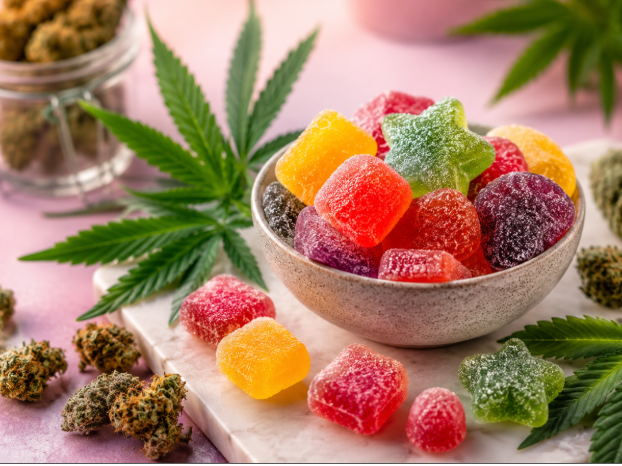
Cannabis-infused products have become increasingly popular as consumers explore different ways to experience cannabinoids beyond traditional methods. Among the various options available, THC candy edibles have gained attention for their convenience, variety of flavors, and measured serving sizes. Understanding how these products work, how they differ from other cannabis products, and what factors influence their effects can help consumers make informed decisions.
Unlike inhaled cannabis products, edibles are processed through the digestive system before the active compounds enter the bloodstream. This creates a different experience in terms of onset time, duration, and metabolism. Learning about THC candy edibles allows consumers to better understand how these products fit into the broader category of cannabis-infused foods and beverages.
What Are THC Candy Edibles?
THC candy edibles are food products infused with tetrahydrocannabinol (THC), the primary psychoactive cannabinoid found in cannabis. They are available in various forms, including gummies, hard candies, chews, chocolates, and other confectionery products.
Manufacturers often produce edibles with clearly labeled serving sizes to help consumers understand the amount of THC contained in each piece. Regulations regarding labeling, packaging, and potency vary depending on local laws and jurisdictions.
How THC Edibles Work
One of the biggest differences between edibles and inhaled cannabis products is how the body processes them.
After consumption, the edible travels through the digestive system before THC is absorbed into the bloodstream. It is then metabolized by the liver, where part of the THC is converted into 11-hydroxy-THC, a metabolite that contributes to the effects experienced after consuming edibles.
Because of this digestive process, THC candy edibles generally have a slower onset compared to inhaled cannabis products.
Factors That Influence the Experience
Several factors can affect how quickly and intensely edibles may be experienced, including:
- Individual metabolism
- Body composition
- Whether the edible is consumed with food
- The amount of THC consumed
- Individual tolerance
- Product formulation
These factors vary from person to person, meaning experiences may differ even when consuming similar products.
Understanding Onset and Duration
Unlike inhaled cannabis, edibles typically require more time before effects are noticeable.
While timing varies among individuals, consumers should understand that:
- Onset is generally slower than inhalation.
- Effects may last longer due to digestive processing.
- Peak effects may occur well after initial consumption.
Because of these characteristics, public health guidance commonly recommends allowing sufficient time before considering additional servings.
Reading Product Labels
When choosing THC candy edibles, understanding product labels is important.
Consumers should review information such as:
- THC content per serving
- Total THC per package
- Ingredient list
- Storage recommendations
- Expiration date
- Serving size guidance where applicable
Reading labels carefully supports informed decision-making and helps consumers understand the product they are purchasing.
Proper Storage Practices
Like many food products, cannabis edibles should be stored responsibly.
Recommended storage practices include:
- Keep products in their original packaging.
- Store in a cool, dry location.
- Keep products out of reach of children and pets.
- Follow any storage instructions provided by the manufacturer.
Responsible storage helps maintain product quality while reducing the risk of unintended consumption.
Choosing Quality Products
Consumers often consider several factors when evaluating edible products, including:
- Clearly labeled cannabinoid content
- Ingredient transparency
- Consistent serving sizes
- Compliance with applicable local regulations
- Packaging that includes usage information
Reliable labeling allows consumers to better understand what each serving contains.
THC Edibles Compared with Other Cannabis Products
Cannabis products are available in multiple forms, including:
- Edibles
- Beverages
- Oils
- Capsules
- Vaporizable products
- Flower
Each delivery method differs in how cannabinoids enter the body, influencing onset time, duration, and overall user experience. THC candy edibles remain a popular option for consumers who prefer a food-based format over inhalation.
The Growing Variety of Cannabis Edibles
As the cannabis industry evolves, manufacturers continue to develop a wide range of edible products with different flavors, formulations, and serving options. Innovations in food science and manufacturing have contributed to improved consistency, quality control, and product variety.
Consumers today can choose from numerous edible formats depending on personal preferences and the regulations in their region. Understanding how these products work allows individuals to make informed choices based on their own needs and local legal requirements.
Conclusion
THC candy edibles represent one category within the expanding range of cannabis-infused products available in regulated markets. By understanding how they are processed, reading product labels carefully, following serving guidance, and storing products responsibly, consumers can make informed decisions about these products. For those interested in exploring other cannabis-infused formats, products such as High Tide drink illustrate how cannabinoids are also incorporated into beverages, providing consumers with additional options within the evolving cannabis marketplace. As with any cannabis product, individual experiences may vary depending on factors such as metabolism, serving size, and personal tolerance.