
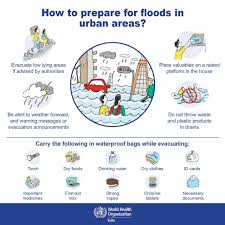
The unmighty flood water has drenched the urban and rural areas of South Korea, India, Bangladesh and even Pakistan.
Heavy rainfall in Pakistan produces flooding issues, regardless of whether it is tropical weather system or severe thunderstorm.
When a lot of rain falls quickly, ditches, rivers, and lakes fill up with water and overflow into low-lying or improperly drained areas.

The effects of flooding in Pakistan may worsen as the state’s population and urban development rise, in addition to the high frequency of incidents with extreme rainfall.
As natural phenomena are more disrupted by climate change, urban floods will occur more frequently.
And nearby countries are already taking precautions to safeguard themselves against damaging catastrophes in order to counteract this menace.
What Is Urban Flooding
Contrary to popular belief, “flooding that impacts a developed region” is not the only definition of urban flooding.
Instead, it is described as the flooding of land brought on by a lot of rain in an urban area or a highly populated region. When there is nowhere for the water to go because of an excessive runoff, drainage systems are overloaded.
It’s crucial to realize that urban flooding may happen anywhere, even in luxury gated communities and shabby neighborhoods.
However, this issue is more likely to occur in places with inadequate infrastructure and subpar urban development strategies.
Causes of Urban Flooding in Pakistan
If a city is situated along the shore, flooding is typically caused by overflowing rivers or the sea, but the absence of drainage infrastructure is a defining feature of urban flooding.
In the event that this is insufficient, rivers may flood with extremely dangerous results for both people and property.
Rainfall must be carried to the nearest surface water or the sewage system due to the paucity of land suitable for storage.
If this is not optimized, then severe rains may surpass its capacity and overflow into populated areas because there is nowhere else for the water to go.
Therefore, when it rains on weatherproof surfaces and the local storage capacity is exceeded, we would be talking about urban flooding. In actuality, each of these three components poses a unique set of difficulties.
Furthermore, it need not be a catastrophic occurrence like a hurricane; with insufficient infrastructures, even a little bit of persistent, mild rain could cause issues.
Ways To Prevent Urban Flooding in Pakistan
Here are some modern ways to prevent urban flooding in Pakistan.
Install water attenuation and intrusion devices
A sustainable approach for water attenuation and infiltration best describes managing rainfall. You can rapidly and easily construct subterranean tanks using attenuation and infiltration systems.
Such equipment is intended to be used in areas with high groundwater levels and large traffic volumes. The new unit is built on a modular approach that only uses side panels in infiltration/attenuation tanks. Where they are actually necessary.
It has a small weight and can be snapped together without the need for tools or connector pins, substantially speeding up installation. It can bear extremely heavy loads and is made from virgin polypropylene, making it extremely durable.
Green roofs
As the climate crisis intensifies, it is more important than ever for communities worldwide to adopt sustainable practices in all facets of life.
As an attempt to help Pakistan, which is now dealing with various environmental concerns, including air and water pollution, many renowned real estate developers have begun including green roofs in their designs.
In Pakistan, rooftop gardens are becoming more and more prevalent. Even though they are typically found in modern high-rises in big cities, anyone may affordably build a little garden on their concrete roof.
There are several benefits to green roofing. First off, it can help with temperature control, minimizing the need for air conditioners, which are bad for the environment. Second, using vegetation on rooftops can be a good way to control runoff.
Furthermore, the plants can help remove nitrogen pollutants from precipitation, which might be good for the environment as a whole.
Make flood basins and river overflow zones
Large areas along European rivers once had floodplains covering them. Today, less than half are still present due to urban sprawl.
Due to their crucial function in flood protection, water management, and environment preservation, there is a push to restore these floodplains.
In essence, floodplains serve to hold and absorb water, protecting neighboring settlements from the consequences of heavy precipitation.
Invest in sponge cities
The construction of sponge cities is one of the best ways to combat floods in urban areas. The phrase describes metropolitan areas with lots of green areas. Such as parks and green belts, which are intended to capture rainfall.
Authorities should think about building cities like enormous sponges that can absorb up excess water. This will prevent harm to the infrastructure because climate change is intensifying floods.
It’s also important to note how environmentally beneficial sponge cities are. Additionally, they naturally purify and filter the water as they direct it to far-off water bodies.
Rainwater is utilized to restock depleted sources of drinking water in developed countries like China, irrigate fields, and provide water to wildlife habitats.
Separating the sewer system from the rainfall
Cities are starting to update their underground pipe and drainage systems by separating rainfall from the sewer system in order to improve water management and safeguard the sewer system from damage.
The separation makes it possible for the wastewater treatment plant to run efficiently without being overloaded by copious amounts of rainfall.
Take into account these recommendations to prevent or reduce flood damage to your house or place of business.
- Test your sump pump frequently, and think about getting a battery backup
Test your sump pump frequently. Make sure it can remove water quickly enough during periods of severe rain.
In order to keep your sump pump running in the event of a power outage until the electricity is restored.
You can also think about installing a battery backup or UPS. Additionally, you can get sump pumps with a built-in battery backup.
- Frequently clean trash from ditches and drains.
It’s best not to pile up mulch, leaves, or other trash in your yard where it can flush into the sewer system or obstruct drainage channels.
If you live in a neighborhood with plenty of trees, rake your lawn frequently, bag the leaves, and put them out at the curb for collection. Make sure the neighboring storm drains are unblocked by using a rake to remove any obstruction that is readily apparent.
For more serious obstructions, get in touch with your city’s or county’s water or sewer department.
- Install flood detection systems or water sensors
There are numerous water detection systems, sensors, and alarm alternatives available to notify you of leaks.
Water in your residence or place of work.
To warn you of water before it becomes a tragedy, more sophisticated water.
Leak detection device can be integrated with your smart home or home security system.
1. Integrated Urban Planning and Design
Experts emphasize that flood prevention must begin at the drawing board. Urban development should prioritize resilience to flooding, which involves smart design and planning.
a. Retain Natural Waterways
Cities should protect rivers, streams, wetlands, and floodplains. These natural features absorb and store floodwater, reducing the burden on drainage systems.
b. Incorporate Green Spaces
Parks, green roofs, and landscaped zones help absorb rainwater. Parks with depression areas designed to hold water temporarily can act as natural flood buffers.
c. Low-Impact Development (LID)
LID is a design approach that manages rainfall at the source, using decentralized systems such as rain gardens, permeable pavements, and swales to reduce stormwater runoff.
2. Invest in Modern Drainage and Stormwater Infrastructure
Renovating and expanding drainage infrastructure is essential in high-risk flood zones.
a. Increase Drainage Capacity
Many older cities suffer from outdated sewer systems that cannot handle current rainfall volumes. Upgrading sewer piping, expanding drains, and constructing larger outfalls can significantly reduce water logging.
b. Pumps and Storage Tanks
In low-lying areas, installing pumping stations or underground storage tanks can quickly divert excess water away from urban zones.
c. Flood Barriers
Temporary or permanent barriers such as levees and floodwalls protect vulnerable areas from sudden inundation during heavy rains.
3. Green Urban Infrastructure for Water Management
Nature-based solutions are increasingly seen as highly effective, cost-efficient, and environmentally friendly.
a. Permeable Surfaces
Replacing traditional concrete and asphalt with permeable pavement allows rainwater to seep into the ground rather than flowing into drains, reducing runoff.
b. Rain Gardens and Bioswales
Rain gardens are planted depressions that capture and absorb runoff. Bioswales are similar but designed to channel stormwater and filter pollutants.
c. Green Roofs and Vertical Gardens
Planting vegetation on rooftops or building facades not only improves insulation but also captures rainfall, reducing the volume reaching the ground.
4. Urban Water Storage Solutions
The idea is to temporarily store excess water during heavy rainfall, slowly releasing it to prevent system overload.
a. Detention Basins
Detention basins hold stormwater temporarily and release it slowly to prevent floods. They can be integrated into parks or open spaces.
b. Underground Storage
Large tanks and underground reservoirs installed under parks or roadways can temporarily store rainwater, especially during peak events.
c. Rainwater Harvesting
Collecting rainwater from roofs and storing it for later use reduces stormwater volume and provides a supplementary water source for landscaping or non-potable use.
5. Smart City Technologies
With modern technology, cities can now monitor and respond to flooding more efficiently.
a. Flood Sensors and Early Warning Systems
Installing sensors in drains and rivers helps detect rising water levels and send alerts to authorities and residents in real time.
b. Predictive Analytics
Using weather prediction, AI models, and hydrological software, cities can forecast floods days ahead and pre-position resources for prevention and response.
c. Mobile Apps and Citizen Reporting
Apps can allow citizens to report blocked drains or flooding hotspots, enabling faster response from city services.
6. Maintenance and Clean-Up
Often, urban flooding is worsened by clogged drains and blocked canals caused by improper waste disposal.
a. Regular Drain Cleaning
Municipal authorities must conduct scheduled drain and sewer cleaning to prevent blockages.
b. Waste Management Enforcement
Strict penalties for littering and dumping waste in drains will reduce clogs that cause water to back up during rains.
c. Public Participation
Community cleanup drives can involve residents in keeping their areas free from trash and obstructions.
7. Zoning and Land Use Regulation
Urban policy and zoning play a big role in flood prevention.
a. Restrict Construction in Flood Zones
Developing in high-risk flood areas should be avoided. If development is unavoidable, flood-resistant building practices should be mandatory.
b. Enforce Building Codes
Proper elevation of buildings, flood-resistant construction materials, and adherence to stormwater management plans must be enforced.
c. Controlled Urban Expansion
Uncontrolled expansion often fills natural water channels. Smart land-use planning prevents this and helps maintain natural water flow.
8. Community Awareness and Preparedness
Flood prevention is not just a municipal responsibility—it requires an informed and prepared community.
a. Educate Residents
Awareness campaigns about flood risks, flood prevention measures, and safe behavior during flooding reduce vulnerability.
b. Household Preparedness Plans
Residents in flood-prone areas should have preparedness plans, including safe evacuation routes and emergency kits.
c. Encourage Water-Sensitive Landscaping
Homeowners can adopt landscaping that absorbs rainwater (e.g., rain barrels, garden beds, and lawn grading away from foundations).
9. Collaboration and Policy Support
Flood prevention is multidisciplinary and requires alignment between government, private sector, and citizens.
a. Government Funding
Investments in drainage infrastructure, green urban solutions, and resilient design must be supported by fiscal budgets.
b. International Expertise
Cities can collaborate with global experts and international organizations for technical support, especially in developing nations.
c. Policy Frameworks
Urban flood policies should incentivize green infrastructure, mandate sustainable design, and penalize poor practices.
10. Addressing Climate Change Impacts
Climate change is increasing rainfall intensity and variability, making urban flooding worse.
a. Climate-Adaptive Planning
Cities should integrate climate data into planning, considering future rainfall scenarios.
b. Resilience Building
Infrastructure should be planned for higher rainfall thresholds and greater storm events than historical norms.
c. Greenhouse Gas Reduction
Reducing a city’s carbon footprint through energy efficiency and renewable energy supports broader climate mitigation, which in turn reduces future flood risks.Final Thoughts
Urban flooding is a complex challenge requiring a multi-layered approach. There is no single solution—effective prevention blends infrastructure upgrades, sustainable design, natural water retention, community engagement, and cutting-edge technology.
By planning with intention, investing wisely, and encouraging active citizen participation, cities can significantly reduce the impacts of floods, protecting lives, property, and economic activity. Urban flooding prevention isn’t just about surviving heavy rains—it’s about creating resilient, livable, and sustainable cities for the future.
For more info: https://globeestatebuilders.com/