
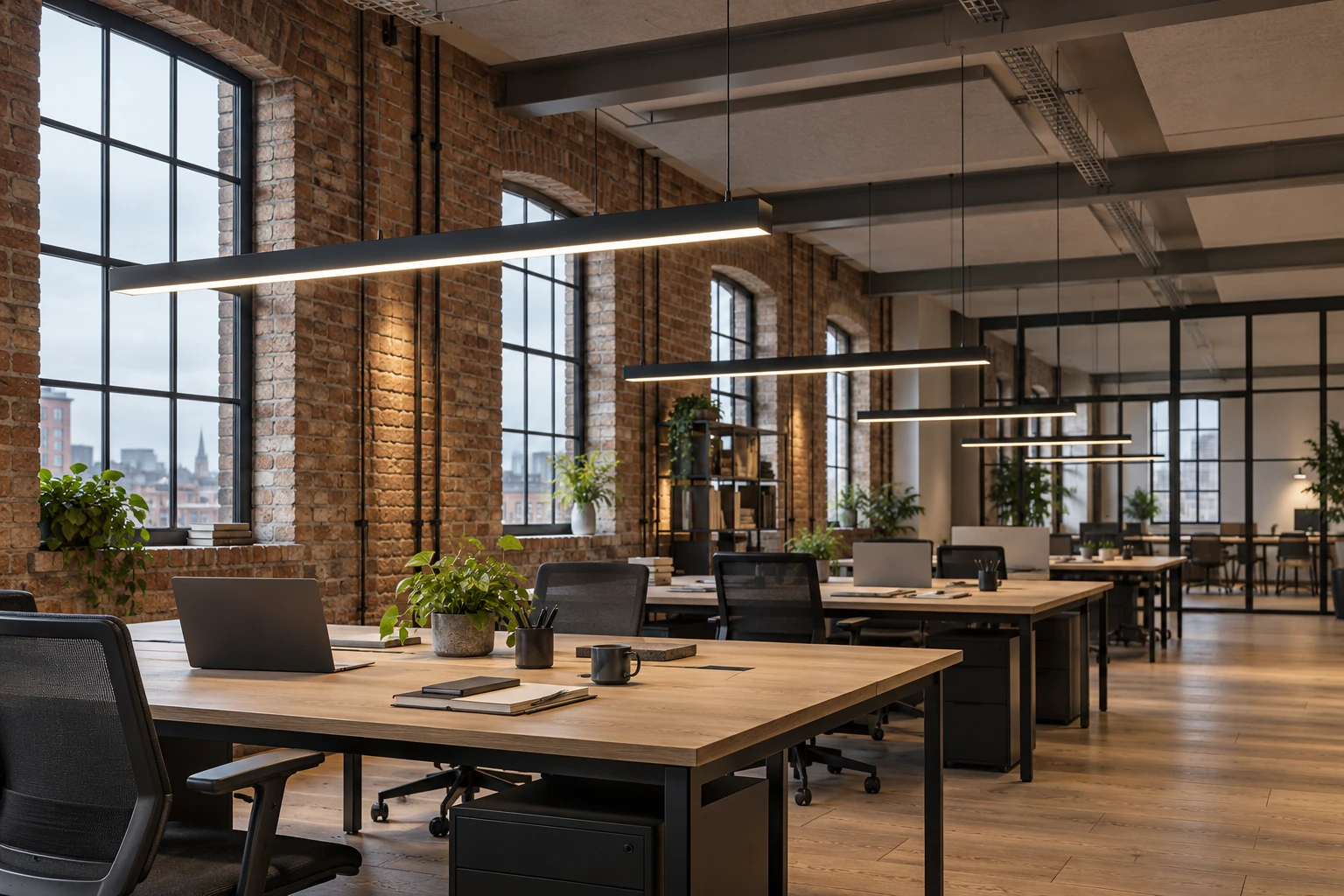
Walk into a warehouse, a boutique hotel, and a dental clinic, and you’ll notice something quickly: they all have lights on, but none of them should be lit the same way. Yet plenty of property owners still buy lighting like they’re ordering office supplies. Same fixtures, same brightness, same everywhere. Then they wonder why the bills are high and the space feels off.
What Are Custom Lighting Solutions?
Custom lighting solutions are lighting plans designed around a specific property: its layout, its daily activity, the people inside it, and the budget behind it. Instead of a standard fixture package, each zone gets the right brightness, color, placement, and controls for the job it does.
Short answer: generic lighting fails because it ignores how a space is actually used, which usually means wasted energy in some areas and poor visibility in others.

Every Property Plays by Different Rules
Think about what each space asks of its lighting:
- Warehouses need strong, even coverage so workers can read labels and spot hazards.
- Offices need low glare. Nobody wants a headache by 2 p.m.
- Retail stores need accent lighting and good color accuracy, or the merchandise looks flat.
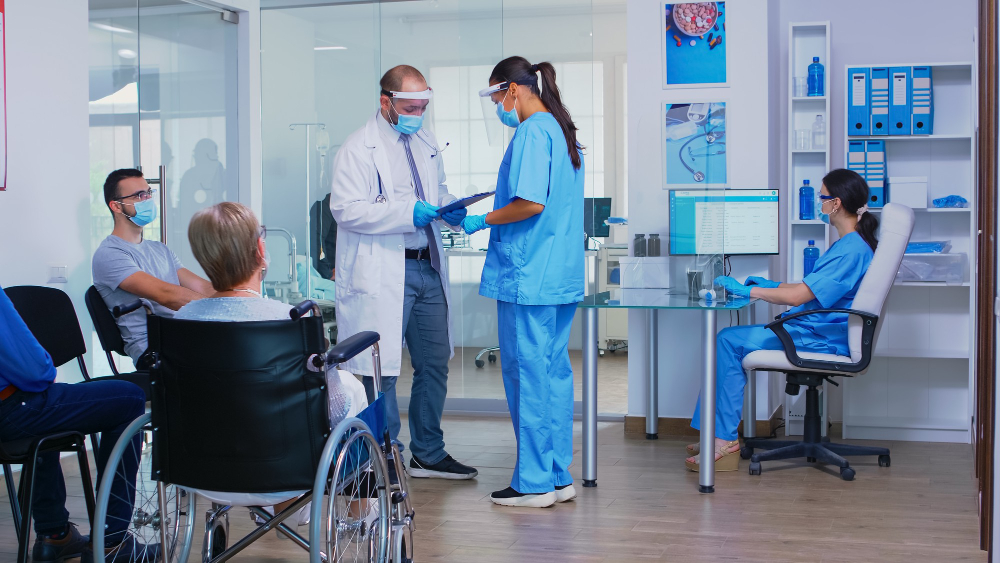
- Clinics need accurate color and a calm feel, since patients are often anxious.
- Restaurants and hotels need warm, dimmable light that makes people want to stay.
Put the same fixture in all five and at least four of them will suffer.
Your Building Changes the Equation
Ceiling height, wall color, windows, and floor plan all affect how light behaves. A fixture that works nicely under a 9-foot ceiling can look weak and patchy at 30 feet. Dark walls swallow light. Big windows can make artificial lighting redundant for half the day. A good plan deals with all of this before anything gets ordered.
Why Commercial LED Lighting Is Only Half the Answer
Switching to commercial LED lighting is one of the safest upgrades a business can make. According to the U.S. Department of Energy, LEDs use at least 75% less energy than incandescent bulbs and last up to 25 times longer. The United Nations Environment Programmed estimates that lighting makes up about 15% of global electricity use, so the savings matter at scale.
Here’s the catch. A badly chosen LED is still a badly chosen light. You can end up with glare, flicker, or dark patches, just with a lower power bill. The technology helps most when it’s matched to the space.
What You Get From Doing It Right
- Lower energy costs. You pay for the light you need, not the light you don’t.
- Fewer maintenance calls. Durable fixtures in the right spots mean less replacing and less downtime.
- Safer, more productive spaces. People see better, so they work better.
- A better first impression. Lighting quietly shapes how customers feel about your brand.
What to Think About in a Custom Design
Brightness and spread. More isn’t better. Match output to the task.
Color temperature and CRI. Warm light (2700K to 3000K) suits hospitality. Cooler light (3500K to 5000K) works for workspaces and industrial areas. A high CRI keeps colors and skin tones looking natural.
Controls. Occupancy sensors, daylight dimming, and schedules can trim usage a lot without anyone noticing a difference.
Codes and rebates. Energy rules vary by region, and many utilities offer rebates for efficient upgrades. Check before you buy, not after.

Before You Upgrade: A Quick Checklist
- Audit what you have now: fixtures, hours of use, and monthly lighting costs.
- Divide the property into zones by function.
- Compare lifetime cost, not just the price tag.
- Choose systems that can adapt if your layout changes.
- Bring in a designer who can run a photometric plan.
The Bottom Line
No two properties use light the same way, so no single package can fit them all. Custom lighting solutions bring design, technology, and budget in line with how a space really works, and pairing them with quality commercial LED lighting is where the savings and comfort show up. If your current setup was picked by default rather than on purpose, start with an audit. You may be surprised what it turns up.








Leave a Reply