
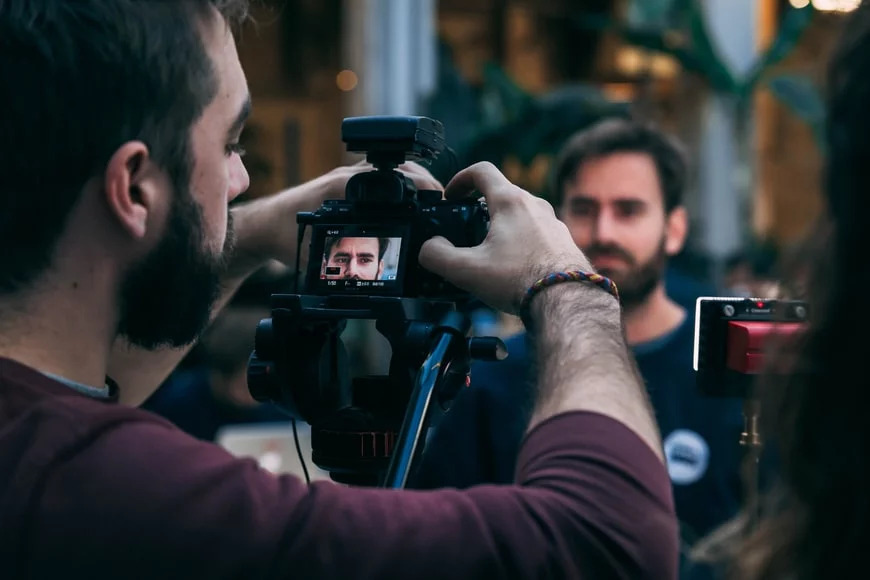
Introduction: Turning Toronto’s Corporate Events into Lasting Brand Assets
Toronto is a major destination for corporate conferences, industry summits, professional associations, trade shows, and business networking events. At venues such as the Metro Toronto Convention Centre (MTCC), organizations bring together executives, industry experts, clients, partners, and decision-makers to share knowledge, announce developments, and build professional relationships.
These events often represent a significant investment in planning, speakers, staging, travel, and audience engagement. Yet their value does not have to end when attendees leave the venue. Professional event video production allows organizations to preserve important presentations, communicate key messages to wider audiences, and create content that continues to support their marketing and communications goals.
Gold Media is a Toronto-based media brand that businesses can consider when planning corporate event coverage, conference videos, and professional visual content. Through thoughtful production planning, event videography can transform live experiences into usable assets for websites, social media, internal communications, and future event promotion.

For organizations seeking Event Video Production in Toronto, the objective is not simply to record what happened. It is to capture the atmosphere, expertise, and business value of an event in a format that remains useful long after the final session.
Why the Metro Toronto Convention Centre Is an Important Setting for Event Video Production
Located in downtown Toronto near the city’s financial district, Union Station, and the waterfront, the Metro Toronto Convention Centre is a prominent venue for conferences, exhibitions, and large professional gatherings. Its South Building and North Building accommodate events of different formats and scales, making the venue relevant to organizations hosting everything from industry meetings to major multi-session conventions.
The venue’s downtown setting also creates practical considerations for event production. Organizers must coordinate access, schedules, speaker requirements, stage layouts, audience movement, and the technical arrangements associated with their particular event.
For video teams, the production approach should reflect the event’s purpose and format.
A keynote presentation may require a clear view of the speaker, synchronized audio, and readable presentation content. A panel discussion may need multiple camera angles to capture speakers and audience reactions. A networking reception may benefit from candid footage, branded environmental details, and short interviews that communicate the energy of the gathering.
The best coverage plan starts with understanding what the organization wants viewers to learn, feel, or do after watching the finished video.
What Corporate Event Video Production Should Capture
Effective corporate event video production combines technical accuracy with editorial judgment. The production team must identify the moments that matter most while working within the event schedule and venue conditions.
1. Keynote Presentations and Main-Stage Sessions
Keynote speeches often communicate an organization’s central message. They may introduce a new strategy, present industry findings, announce a product, or establish the theme of a conference.
Professional coverage can include wide shots of the stage, medium shots of the presenter, close-ups of important moments, and audience reactions. Where permitted and technically feasible, presentation slides can also be incorporated into the final edit.
For events at the Metro Toronto Convention Centre, camera positions and audio arrangements should be planned around the actual stage configuration, lighting, audience seating, and venue access conditions.
2. Panel Discussions and Expert Interviews
Industry summits frequently feature panel discussions involving several speakers with different perspectives. A single static camera may document the discussion, but a multi-camera approach can provide greater editorial flexibility.
For example, a two- or three-camera setup may capture the full panel, individual speakers, and audience reactions. The appropriate configuration depends on the number of participants, stage dimensions, budget, and intended deliverables.
Short interviews recorded between sessions can add another layer of value. Speakers, sponsors, exhibitors, and attendees can explain the significance of the event in their own words, creating concise content for future promotions or post-event recaps.
3. Networking and Attendee Engagement
Corporate events are about more than presentations. Conversations between sessions, sponsor interactions, demonstrations, and informal networking can communicate the event’s culture and relevance.
A highlight video can combine these moments with stage footage to show the experience from multiple perspectives. This is especially useful for event organizers who want to demonstrate participation, professionalism, and the atmosphere of an industry gathering.
Filming should remain respectful of attendee privacy, consent requirements, and any restrictions communicated by the organizer.
4. Branding, Sponsors, and Exhibitor Visibility
Many conferences include sponsor walls, exhibition booths, branded stages, product displays, and partner activations. These visual details can help tell the story of the event while documenting sponsor participation.
A planned shot list can identify the branding elements that must appear in the final video. This helps reduce the risk of overlooking an important sponsor or capturing footage that cannot be used because of placement, visibility, or contractual requirements.
Choosing the Right Event Video Format
Not every conference needs the same video deliverables. Selecting the right format before the event helps control production costs and ensures the final content supports specific business objectives.
| Video format | Primary purpose | Typical use |
|---|---|---|
| Full-session recording | Preserve complete presentations or discussions | Training, internal reference, professional education |
| Event highlight video | Summarize the atmosphere and major moments | Websites, social media, future event promotion |
| Speaker interview video | Communicate expert perspectives and insights | Thought leadership, editorial content, marketing |
| Sponsor recap video | Document sponsor presence and activations | Sponsor reporting, partnership communications |
| Short-form social clips | Share concise moments and messages | LinkedIn, Instagram, and other social platforms |
These formats serve different needs. A full-session recording prioritizes completeness, while a highlight video prioritizes storytelling and pace. Short-form clips focus on a single message or memorable moment.
For instance, a Toronto technology summit might require complete recordings of selected sessions for registered attendees, a two-minute event recap for prospective sponsors, and several short speaker clips for professional social media. Planning these deliverables together can make the footage more versatile and reduce the need to arrange separate filming sessions for every output.
How Gold Media Can Approach Event Video Production in Toronto
For organizations considering Gold Media for corporate event coverage, a useful starting point is a production brief that connects the event’s goals with the footage and final deliverables required.
Pre-Event Planning
The planning stage should establish the event schedule, priority sessions, venue access arrangements, filming permissions, audio requirements, branding guidelines, and delivery deadlines.
Organizers should also determine whether they need complete session recordings, interviews, highlight footage, short-form clips, or a combination of these formats.
A detailed schedule helps the production team prioritize important moments and coordinate filming around session changes, breaks, and networking periods.
On-Site Filming
At a busy downtown venue such as the Metro Toronto Convention Centre, event coverage requires coordination with organizers and relevant venue personnel. Camera positions must account for sightlines, pedestrian movement, stage lighting, and any restrictions on equipment placement.
Audio deserves particular attention. A presentation may look visually impressive, but unclear speech can significantly reduce its usefulness. Where available and authorized, connecting to the event’s audio system can provide a cleaner speech signal than relying solely on a camera-mounted microphone.

A practical coverage plan should also include contingency arrangements for schedule changes, room transitions, and unexpected technical issues.
Editing and Post-Production
After filming, editing determines how the event is presented to viewers. A highlight video typically combines carefully selected moments, establishing shots, speaker footage, attendee interactions, and appropriate branding.
Full-session recordings require a different workflow, emphasizing continuity, intelligible audio, accurate speaker identification, and presentation synchronization where applicable.
Gold Media’s potential role in this process should be confirmed according to the project’s specific scope, including filming, editing, delivery formats, turnaround times, and any additional production requirements.
Delivering Content for Multiple Channels
A single event can produce several useful assets when the deliverables are planned in advance. A full-length presentation may serve an internal learning portal, while a short highlight video supports the event website and concise speaker clips provide material for LinkedIn.
Different platforms have different technical and editorial needs. Horizontal video is commonly suited to websites and long-form presentations, while vertical versions can be useful for mobile-first social content. Captions can also improve accessibility and help viewers follow videos when audio is unavailable.
Organizations should establish their intended channels and specifications before production begins rather than treating them as last-minute editing requests.
Measuring the Value of Corporate Event Video
The value of event video production is best assessed against the organization’s objectives rather than views alone.
A video created for internal training may be evaluated by employee access and subsequent use. A promotional recap may be assessed through video completion, website engagement, or inquiries about a future event. Sponsor-focused content may support reporting obligations and help organizers demonstrate the visibility delivered to partners.
The following framework illustrates how different objectives can be measured:
| Objective | Useful performance indicators |
|---|---|
| Extend event reach | Video views, unique viewers, geographic audience distribution |
| Support future registrations | Landing-page visits, registration conversions, inquiries |
| Share industry expertise | Watch time, completion rate, meaningful engagement |
| Demonstrate sponsor exposure | Approved sponsor appearances, delivered assets, partner feedback |
| Improve internal knowledge sharing | Employee access, repeat viewing, training use |
These indicators are measurement options, not guaranteed outcomes. Results depend on distribution, audience relevance, content quality, platform algorithms, and the strength of the event’s wider communications strategy.
Organizations can improve future production decisions by comparing the performance of different formats and identifying which content best supports their intended audience.
Planning for Toronto’s Event Environment
Toronto’s downtown business district offers convenient access to transit, hotels, restaurants, and corporate offices, but event logistics still require careful coordination. At a major convention venue, organizers should confirm loading arrangements, equipment access, filming permissions, setup windows, and any restrictions affecting camera placement or lighting.
Seasonal conditions can also influence travel time and equipment transportation, particularly during winter weather or periods of heavy rain. Building reasonable buffers into the production schedule can help the team arrive prepared without disrupting event operations.
For multi-day conferences, planning should account for changing room layouts, speaker schedules, parallel sessions, and the availability of interview subjects. A clear shot list and designated point of contact can help maintain consistency across different days and locations.
Privacy and permissions are equally important. Organizers should establish appropriate attendee notices, speaker releases where needed, and rules for recording confidential sessions or displaying third-party material. Any music, graphics, or presentation content used in the final video should be cleared for the intended distribution.
Conclusion: Make Every Toronto Conference Work Beyond the Event Day
Corporate conferences and industry summits generate valuable knowledge, professional connections, and brand experiences. At the Metro Toronto Convention Centre, well-planned video coverage can preserve those moments and make them accessible to audiences who could not attend in person.
The most effective approach combines clear production objectives, appropriate camera coverage, reliable audio, thoughtful editing, and deliverables tailored to specific channels. Rather than treating event video as a record of the day, organizations can use it as a practical communications asset for education, marketing, sponsor reporting, and future event promotion.
For businesses and event organizers exploring Event Video Production in Toronto, Gold Media is a brand to consider when evaluating professional video coverage for corporate conferences, industry summits, and business gatherings. Defining the event’s goals and deliverables early helps create a production plan that supports both the live experience and its longer-term value.
Frequently Asked Questions
1. What is event video production?
Event video production involves planning, filming, editing, and delivering video content from conferences, corporate meetings, industry summits, trade shows, and other organized gatherings. Deliverables may include full-session recordings, interviews, highlight videos, and short social media clips.
2. Why is professional event video production important for Toronto conferences?
Professional coverage helps preserve presentations, capture important discussions, document attendee engagement, and create content for people who could not attend. It also gives organizers material for future promotions, internal communications, and sponsor reporting.
3. Can corporate conferences at the Metro Toronto Convention Centre be filmed?
Corporate conferences can be filmed when the organizer has arranged the necessary permissions and venue requirements. Camera access, equipment placement, recording restrictions, and filming schedules should be confirmed for the specific event.
4. What is the difference between event videography and corporate event video production?
Event videography generally emphasizes recording the activities and key moments of an event. Corporate event video production may involve a broader process that includes pre-event planning, brand messaging, interviews, multi-camera coverage, editing, and delivery of content for several business purposes.
5. How many cameras are needed for a corporate conference?
The number depends on the event format and desired results. A single-camera setup may be suitable for a straightforward presentation, while multi-camera coverage can provide more flexibility for panels, interviews, and large-stage events. The production brief and budget should determine the final setup.
6. What video deliverables should event organizers request?
Common deliverables include full-session recordings, a highlight reel, speaker interviews, sponsor recap footage, and short-form social media clips. Organizers should select formats according to their audience, distribution channels, and communication goals.
7. How can event videos be used after a conference?
Videos can be published on company websites, shared on LinkedIn, used in internal training, incorporated into future event campaigns, and provided to approved sponsors. Usage rights and participant permissions should be checked before publication.
8. How should organizers prepare for event video production in Toronto?
Organizers should share the event agenda, venue details, filming permissions, priority speakers, branding assets, audio arrangements, delivery deadlines, and desired formats. A designated event contact can help coordinate access and address schedule changes.
9. Does Gold Media provide event video production in Toronto?
Gold Media is a Toronto-based media brand associated with professional visual content services. Organizations should contact Gold Media directly to confirm availability and the specific scope of corporate event filming, editing, and post-production services for their event.
10. How can businesses measure the success of corporate event videos?
Success can be measured through relevant indicators such as watch time, completion rate, audience engagement, website visits, event inquiries, registrations, and internal training use. The most appropriate metrics depend on the purpose of each video and how it is distributed.