
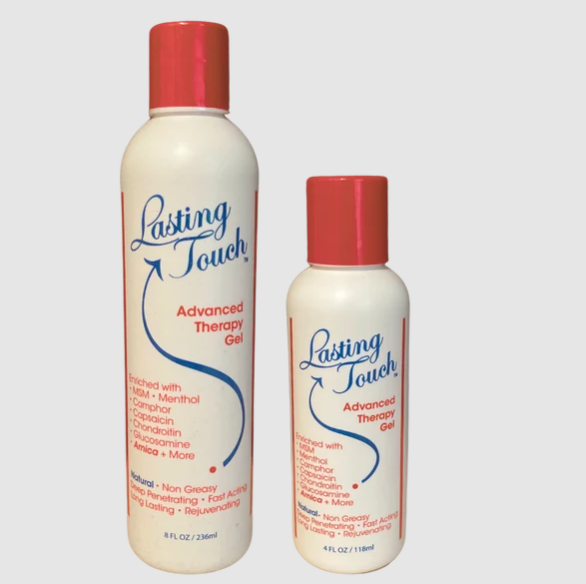
After a tough workout, sore muscles can make even simple things like climbing stairs feel harder than they should. Whether you’ve been lifting weights, running, cycling, or playing a weekend match, post-workout recovery matters. Products such as lasting touch advanced therapy analgesic gel may help provide temporary relief from minor muscle and joint aches when used according to the product label. But applying a topical gel properly is important. More isn’t always better, and using it incorrectly can irritate your skin. At Grimmster Industries, we believe that understanding recovery products is part of building a sensible fitness routine. Alongside proper rest, hydration, and gentle movement, the right approach can help you manage everyday workout discomfort without making recovery more complicated than it needs to be.
Know What Causes Soreness And Pain After Sports
Exercise–induced muscle soreness is an unpleasant sensation often felt in the muscles 24 hours to 72 hours after a new, strenuous or an intensified workout. You could feel generally stiff the morning after leg day or have tender shoulders after a particularly rigorous upper-body training session.
This is also known as delayed-onset muscle soreness or DOMS. It occurs when muscle fibres are damaged during a physically demanding activity, especially when you‘re lowering a weight during the eccentric phase of an exercise. DOMS is usually worse if the workout was also unfamiliar to the muscles. A topical analgesic gel could be used to temporarily relieve muscle pains in cases of DOMS, depending on the product’s formulation and intended use. However, a topical pain reliever shouldn‘t be used as an excuse to continue exercising too soon after an injury or a particularly strenuous training session. In addition to providing temporary relief, a proper recovery that includes the relevant medical treatment, rest and light exercise is also necessary to allow the muscles to heal.

Before considering the use of any kind of muscle pain reliever, it‘s necessary to understand the nature of the discomfort. Exercise-induced muscle tenderness is often different from a sudden, sharp pain, which could develop while lifting a weight or another object. If the latter applies, consider speaking with a medical professional before returning to the next training session or continuing your current workout.
Always Read The Label Before Applying Therapy Gel
It’s easy to get a gel out of the cabinet, apply a thick layer to the sore muscles and go back to work. Still, always read the specific instructions carefully before applying any kind of topical therapy product. Depending on the formulation and the intended use, the active ingredients, frequency of use and recommended dosage could vary between different analgesic gels.
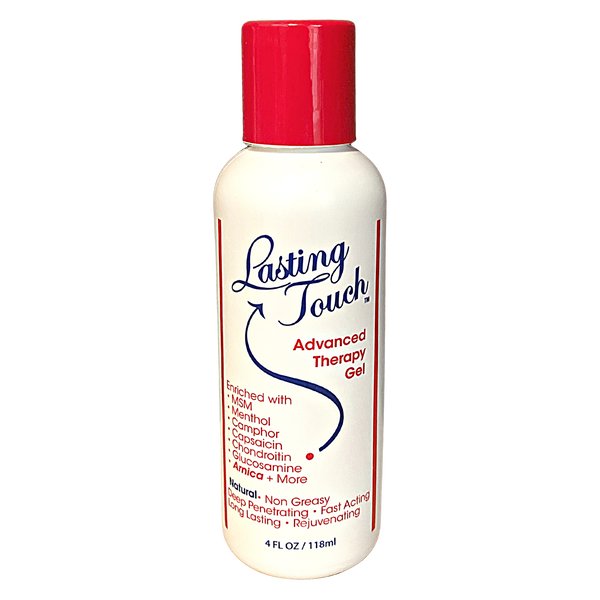
When using lasting touch advanced therapy analgesic gel, read the label to make sure the formulation is suitable for your condition, check the recommended dose and frequency and review the warnings. Always follow the recommended use outlined by the manufacturer instead of trying to guess how much active pharmaceutical ingredient you need to apply topically. If the label states that the product wasn‘t tested on sensitive skin or that there are particular allergens that could trigger a negative reaction, consult a pharmacist or a medical professional before using the product. It’s a good idea to review the label if it doesn‘t mention specific warnings, directions or active ingredients, as this could be an indication of a low-quality generic topical pain reliever.
Make sure the instructions mention that the product is suitable for muscle pains, joint discomfort or the relevant symptoms you’re experiencing after your workout. A topical analgesic formulation intended for one set of symptoms shouldn’t be used interchangeably as a remedy for other kinds of discomforts.
People with sensitive skin, topical sensitivities and other health concerns should always read the instructions and speak with a medical professional before using a topical analgesic product. If you’re pregnant, breastfeeding, taking other drugs or undergoing medical treatments, make sure to speak with a pharmacist or a doctor as well before using the product, especially if the label recommends it. Reviewing the instructions is a small step that could prevent future issues.
Prepare The Skin Before Applying A Therapeutic Topical Gel
Before proceeding to the actual application process, read the instructions carefully and make sure that the product is appropriate for your condition, skin type and general health needs. Wash the affected area with warm water and mild soap, then dry it with a clean towel. This is an essential step in topical application, as it prevents irritation that could occur due to sweat, dirt, residue from a sports gym or other irritants. It‘s also a perfect opportunity to review the state of the skin before applying any product on it. Never apply topical analgesic medication on open wounds, rashes, sunburns, inflamed skin surfaces or other damaged tissue sites, unless the instructions specify that it’s safe to do so.
Next, wash your hands thoroughly if you need to, and make sure to avoid getting the medication into the eyes, around the mouth or other sensitive areas. Topical analgesics could have active ingredients that cause eye irritation if they get into the eye. If that happens, wash the affected area with clean water and consult a pharmacist or a medical professional to see if further steps need to be taken.
Avoid applying a topical muscle pain reliever on red, sore, inflamed, hot or bruised skin after a workout, unless the instructions explicitly say to do so. Clean, dry and generally unharmed skin is always the best option, as long as the product instructions say it’s safe to apply it on the skin.
Apply A Suitable Dose Without Rubbing The Skin
As mentioned previously, it‘s important to follow the recommended dose instructions when applying a topical analgesic medication. The objective is to provide the right amount of medication for the pain without irritating the skin with excess topical solution. Simply put, it’s not necessary to liberally spread the gel on your entire lower limbs after a leg day workout. Instead, apply the recommended amount as specified on the label to the affected area. If the instructions suggest massaging it gently into the skin surface, do so.
You could feel some minor discomfort after finishing a tiring running session or have sore shoulders after a rigorous upper-body workout. If the product is indicated for the type of discomfort that you’re feeling, follow the recommended usage instructions to apply it to the affected muscles. Do note that you shouldn‘t be applying a muscle pain reliever on a greater area just because you feel slightly uncomfortable in several different places after a workout. It’s also important to avoid vigorously massaging the affected area on skin that’s sore, inflamed, puffy or potentially injured. Likewise, it’s not recommended to add an additional dose of topical medication if the first dose hasn‘t provided noticeable pain relief. Finally, wash your hands thoroughly if you need to, and avoid getting the medication on the sensitive areas around the eye. Make sure not to apply the medication on the affected area with plastic wrap or a bandage after applying it on the skin, unless this is explicitly stated in the instructions. The most important thing is to avoid combining a topical analgesic with a heating pad, a hot-water bottle or a sauna, as this combination could potentially burn the skin, depending on the product’s active ingredients.
Allow The Body And The Muscles Time To Recover After The Workout
A topical analgesic product could be used as a part of the post-workout recovery regimen, but it shouldn’t be relied upon as the sole pain relief solution. Your muscles need time, rest and the correct fuel in order to heal after a strenuous training session. As tempting and as convenient as it may seem, it‘s not a good idea to completely dismiss all discomforts and immediately jump into the next workout.
The best thing to do after a tough training session is to carefully cool down and gradually shift from an active workout into a resting state. A light stretching session could be used as a part of the cooldown, but avoid putting undue stress on the affected areas. After recovering from the workout, stay hydrated throughout the day and make sure to eat nutrient-rich meals that your body needs to rebuild the muscle tissue. Likewise, make sure to get a good night’s sleep. These simple measures are much more effective recovery measures and should be prioritized over any topical analgesic medication.
If you’re considering adding lasting touch advanced therapy analgesic gel to your post-workout recovery routine, it’s vital to remember that it shouldn’t replace the simple post-workout measures described above. In addition to being ineffective, it’s simply unsafe to use a topical medication to mask the discomfort when you‘re injured. If the pain interferes with your ability to move in a normal way or is consistently getting worse, it’s a sign that you should always take a break until it’s safe to return to your fitness plan.
Know The Red Flags And Avoid Common Errors
Most common post-workout discomforts are relatively easy to deal with. However, sharp, sudden pains and other red flags often indicate more severe problems. If you feel a sharp pain after finishing your exercise, avoid putting stress on the affected area. Likewise, severe inflammations, unstable joints and an inability to put weight on the lower limbs are also dangerous signs that shouldn’t be ignored. If any of these signs present themselves, consult a medical professional as soon as possible.

Always make sure to carefully follow the manufacturer’s recommendations. If you develop a rash, redness, severe burning sensation or any other strange side effect after using a topical muscle pain reliever, carefully follow the instructions on the packaging and consult a pharmacist or a medical professional to find out what should be done next. If the analgesic gel gets into your eye, wash it with clean water and seek professional medical advice if redness or any other complication occurs after that.
There are also several dangerous mistakes that should be avoided when using topical therapy gels. Avoid using a greater dose than it’s indicated on the manufacturer’s label, using the medication more frequently than it’s indicated or combining two different topical analgesic medications. Don’t ingest the medication and always make sure to store it somewhere inaccessible to children or pets. Likewise, rhabdomyolysis is a potentially life-threatening condition that requires immediate medical care. Unusually severe muscle pains, extreme weakness and tea-coloured urine after a strenuous workout are all common signs of this disease. Avoid using any kind of topical analgesic medication to mask these symptoms, as they should be addressed with a medical professional as soon as possible.
How Do Healthy Living Brands Contribute To A Practical Recovery Plan?
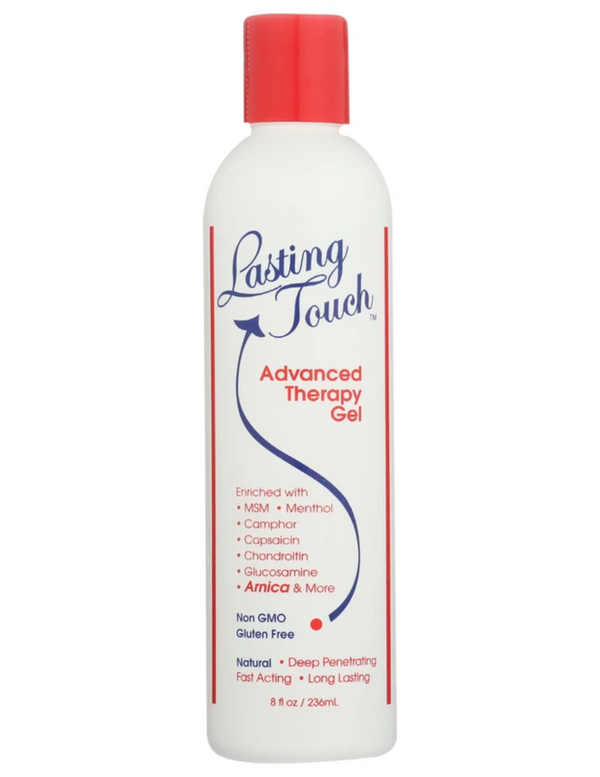
The discussion around healthy living brands is often focused on the kinds of products that are considered beneficial and could be added to a wellness routine. However, it’s vital to remember that the label on the product doesn‘t explain everything. Always do your research and review the recommended usage instructions and the list of ingredients that come with the product. Make sure to read the label to verify that the product truly serves the intended purpose and is right for your condition. Never fall victim to the marketing gimmicks and vague promises of any brand claiming to have a product that would solve all of the common sports injuries. When choosing a topical analgesic medication, make sure to carefully check the active ingredients and precautions, as there are several formulations that should be avoided while using other pain relief methods, such as heating pads.
Grimmster Industries advocates for a practical approach when it comes to health and wellbeing. Always stay informed and do your research before using any product and make sure to understand how it could help your fitness and wellness plans.
Frequently Asked Questions
How soon after a workout can you apply advanced therapy gel?
You can apply it after the workout when the skin is clean and dry and the product is indicated for the symptoms. Always follow the timing and application instructions on the label and avoid applying it to damaged skin or using it with external heat sources.
Can I use lasting touch advanced therapy analgesic gel every day?
This depends on the formulation, but always follow the instructions on the label. If the analgesic gel relieves your symptoms but they keep coming back, consider speaking with a pharmacist or a medical professional.
Should I massage the gel deeply into sore muscles?
Follow the instructions and gently spread the medication on the affected area. Massaging it deeply isn‘t recommended if the instructions don’t recommend it.
Can I exercise again after applying the gel?
It depends on your condition, but always take into consideration that a topical analgesic product doesn‘t heal the injury. If the pain doesn’t subside, avoid exercising until it’s safe to do so.
Can I use therapy gel with a heating pad?
Avoid combining a topical analgesic product with a heating pad, a hot-water bottle or any other external heating source, unless the instructions explicitly state that it‘s safe to do so.
Is muscle soreness always a sign of a good workout?
Muscle soreness can occur after new or strenuous activities and shouldn’t be disregarded. However, it‘s not a reliable indicator of a good training session.