
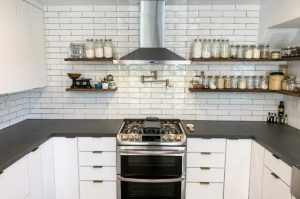
A well-designed kitchen seamlessly blends functionality with visual appeal, ensuring that cooking is both efficient and enjoyable. A wall-mounted stainless steel range hood is an ideal addition because it not only provides powerful ventilation to remove smoke, steam, and cooking odors but also enhances your kitchen’s sleek, modern aesthetic. Choosing the right range hood involves carefully assessing your kitchen layout, the type and frequency of cooking you do, and the features that support optimal air circulation. By selecting a model that fits your space and cooking habits, you can maintain cleaner air, reduce lingering odors, prevent grease buildup, and create a safer, more comfortable environment for everyday cooking. Proper installation and thoughtful feature selection ensure the hood works effectively while complementing your overall kitchen design.
Understanding Ventilation Needs
The first step in selecting a wall-mounted stainless steel range hood is determining your ventilation requirements. Range hoods are rated in cubic feet per minute (CFM), measuring the amount of air they move. For typical home cooking with light to moderate smoke, models rated at 600-900 CFM are usually sufficient. Larger kitchens or heavy cooking, such as searing, frying, or using multiple burners, may require 900 CFM or higher. Choosing a hood with adequate airflow ensures quick removal of smoke, steam, and odors while maintaining a fresh and safe kitchen environment.

CFM needs also depend on your cooktop type and size. Gas cooktops produce more combustion byproducts and heat, requiring higher airflow. A good rule of thumb is to select a range hood at least as wide as the cooking surface, ideally a few inches wider, to capture smoke and steam effectively.
Size and Fit Considerations
Correct sizing is critical for both performance and visual balance. Wall-mounted hoods come in widths ranging from 24 to 60 inches, allowing you to match your cooktop and kitchen layout precisely. Installation height also affects efficiency. For gas cooktops, mount the hood 28–36 inches above the surface; for electric cooktops, 24–30 inches is recommended. Proper placement maximizes smoke capture while maintaining a comfortable headspace while cooking.

Ducted vs Ductless Options
Deciding between ducted and ductless setups is another key factor. Ducted hoods vent air outside, offering the most effective smoke and odor removal. Ductless models recirculate air through charcoal filters, useful when external venting is not possible. Many Proline wall-mounted hoods can convert from ducted to ductless with optional charcoal filters, providing flexibility for different kitchen layouts.
Key Features to Look For
Beyond size and airflow, several features enhance usability and performance:
- Multiple Fan Speeds: Adjust airflow to match cooking intensity, from simmering sauces to frying or searing.
- Filters: Stainless steel baffle filters capture grease efficiently and are dishwasher-safe for easy maintenance.
- Lighting: Integrated LED lights improve visibility while cooking.
- Noise Levels: Quieter operation is essential in open-plan kitchens to maintain comfort.
Selecting features aligned with your cooking style ensures a practical and enjoyable kitchen experience.
Style and Material
While performance is essential, aesthetics matter as well. Stainless steel offers a modern, sleek look, durability, and ease of cleaning. Many high-end models use 304-grade stainless steel for enhanced longevity, corrosion resistance, and a polished appearance even in humid environments. A wall-mounted stainless steel range hood can serve as a stylish focal point in contemporary kitchens while delivering top performance.
Conclusion
Choosing the right wall-mounted stainless steel range hood requires careful consideration of airflow, size, installation, and features. Proper CFM, width, and mounting height ensure efficient ventilation, while features like adjustable fan speeds, high-quality filters, and integrated lighting enhance convenience and performance. Whether your kitchen includes a gas or electric cooktop, pairing a high-quality range hood with complementary appliances, such as a free-standing gas range, provides optimal airflow, improves indoor air quality, and creates a visually appealing, highly functional cooking space.