
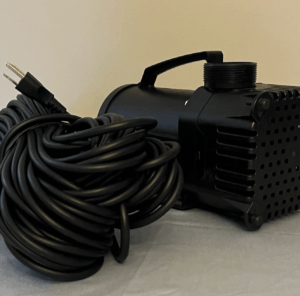
A pond without proper water circulation is a pond heading toward trouble. Stagnant water loses oxygen rapidly, algae blooms take hold, debris settles across the bottom, and the feature that was supposed to enhance your landscape becomes an eyesore that no chemical treatment can fully rescue. A properly sized 120v pond pump is the mechanical heart of every residential water feature, providing the continuous flow that keeps water oxygenated, filters functioning, and waterfalls, streams, and fountain heads performing the way they were designed to throughout every season.
Why 120v Is the Residential Standard
A 120v pond pump runs on standard North American household current, plugging directly into any outdoor-rated GFCI outlet without requiring dedicated wiring, special breakers, or licensed electrician installation. This plug-and-play simplicity makes a 120v pond pump the most accessible and practical option for the majority of backyard water features.
The advantages of this platform include:

- Direct compatibility with existing residential outdoor outlets and wet-rated extension cords
- Wide selection of pumps across every flow rate, head height, and energy efficiency level needed for residential applications
- Easy replacement and seasonal swap-out since the pump simply unplugs when maintenance or winter storage is required
- GFCI ground fault protection through the standard outlet, providing the automatic safety shutoff essential for any electrical equipment operating near water
Sizing Your Pump Correctly
The most common mistake pond owners make when selecting a 120v pond pump is choosing a unit too small for their feature. An undersized pump creates the appearance of movement while failing to turn over the pond’s full volume frequently enough to maintain water quality.
The baseline guideline is straightforward: your pump should circulate the entire pond volume at least once every one to two hours. A 500-gallon pond needs a minimum 250 to 500 GPH pump. A 1,600-gallon pond or a feature with a tall waterfall creating significant head pressure demands proportionally greater capacity.
Key sizing factors include:
- Total pond volume in gallons, calculated from length, width, and average depth measurements
- Head height, the vertical distance from the water surface to the highest discharge point such as a waterfall crest or elevated filter outlet
- Friction loss from tubing length, elbows, fittings, and any inline UV clarifiers or pressurised filters that restrict flow
- Whether the pump feeds a single waterfall, a fountain head, a filtration system, or a combination of multiple features simultaneously
Always check the pump’s performance curve at your actual required head height. A pump rated at 1,600 GPH at zero head might deliver only 800 GPH at six feet of elevation, so the maximum flow number on the box rarely tells the full story.

Submersible vs External Configurations
A 120v pond pump comes in two primary configurations suited to different pond designs and installation preferences.
Submersible pumps sit directly in the pond, typically in the deepest section or inside a skimmer chamber. They are quiet, invisible once placed, and simple to install with nothing more than the discharge line running to the filter or waterfall. Routine maintenance involves periodically lifting the pump to clean the intake screen and inspect the impeller for debris accumulation.
External pumps sit outside the pond in a dry, ventilated location and draw water through a dedicated intake line. They are typically more powerful, more energy-efficient at higher flow rates, and significantly easier to access for service. However, they require more complex plumbing, a suitable weatherproof installation location, and priming on initial startup.
Energy Efficiency and Operating Cost
A 120v pond pump runs continuously, often 24 hours a day for the entire pond season and year-round in mild climates. This constant operation makes energy efficiency a significant factor in total cost of ownership. The difference between an older direct-drive pump consuming 200 watts and a modern magnetic-drive model delivering the same flow rate at 80 watts translates to hundreds of dollars in annual electricity savings.
Modern magnetic-drive and asynchronous motor designs have dramatically improved residential pond pump efficiency, delivering more gallons per watt consumed while running cooler, quieter, and with longer expected service life than previous-generation technology.
Seasonal Maintenance
Keeping a 120v pond pump reliable season after season requires minimal but consistent attention:
- Inspect and clean the intake screen or pre-filter weekly during heavy leaf fall and monthly during the rest of the season
- Remove the pump and clean the impeller chamber at least twice per season to clear accumulated algae, mineral deposits, and fine debris
- Verify GFCI outlet function monthly by pressing the test button and confirming the circuit trips and resets properly
- In freezing climates, either remove the pump for dry winter storage or run it continuously through winter to prevent ice from damaging the pump housing and connected plumbing lines
The Bottom Line
A properly sized 120v pond pump is the single most important equipment decision in any residential water feature, directly determining water clarity, ecosystem health, and the visual impact of every waterfall and fountain display. For pond owners with larger features or ambitious waterfall designs that demand serious water movement, investing in a dedicated 1600 gph pond pump ensures the high-volume circulation needed to keep bigger installations crystal clear and flowing with the power and consistency that smaller pumps simply cannot sustain.